
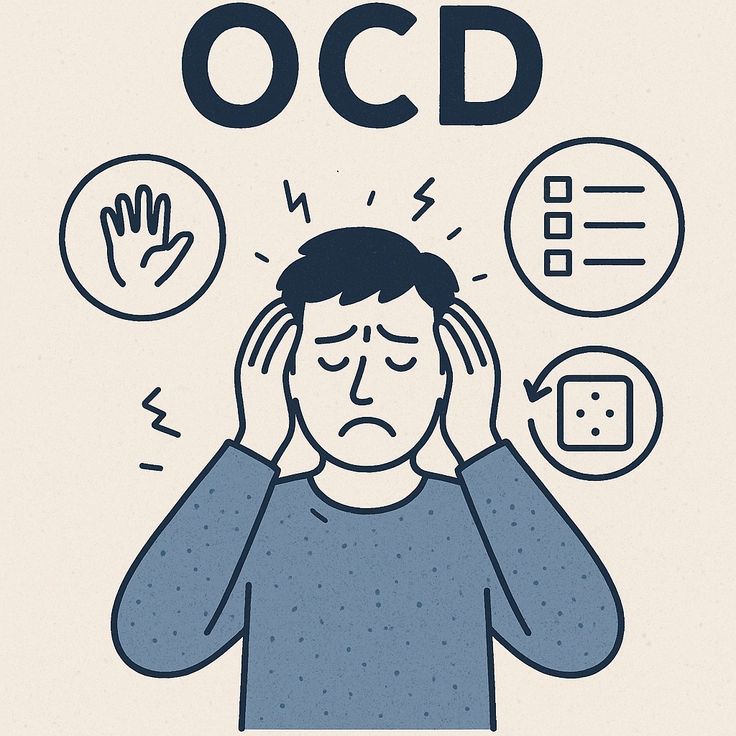
The Tyranny of the Unwanted Thought: Understanding and Overcoming Obsessive-Compulsive Disorder
ocd-
“Oh, I’m so OCD about my desk!” “I’m totally OCD about cleaning my house.” We hear these phrases all the time, often used as lighthearted explanations for a preference for tidiness or a minor habit. But for the millions of people living with Obsessive-Compulsive Disorder (OCD), the reality of the condition is a world away from a quirky personality trait. It is a relentless, debilitating mental health condition that can hijack a person’s life, trapping them in a cycle of fear and ritual. It is not a choice, a preference, or a joke. It is a profound state of distress and an invisible battle fought in the privacy of one’s mind.
Imagine your brain as a looping video. A terrifying, unwanted thought or image plays on repeat, growing louder and more frantic until it’s all you can hear. This is the obsession. Now, imagine the only way to make the video stop—even for a moment—is to perform a specific, often illogical, action. This is the compulsion. The compulsion provides a fleeting moment of relief, but the relief is temporary, and the thought soon returns, reinforcing the need to perform the ritual all over again.
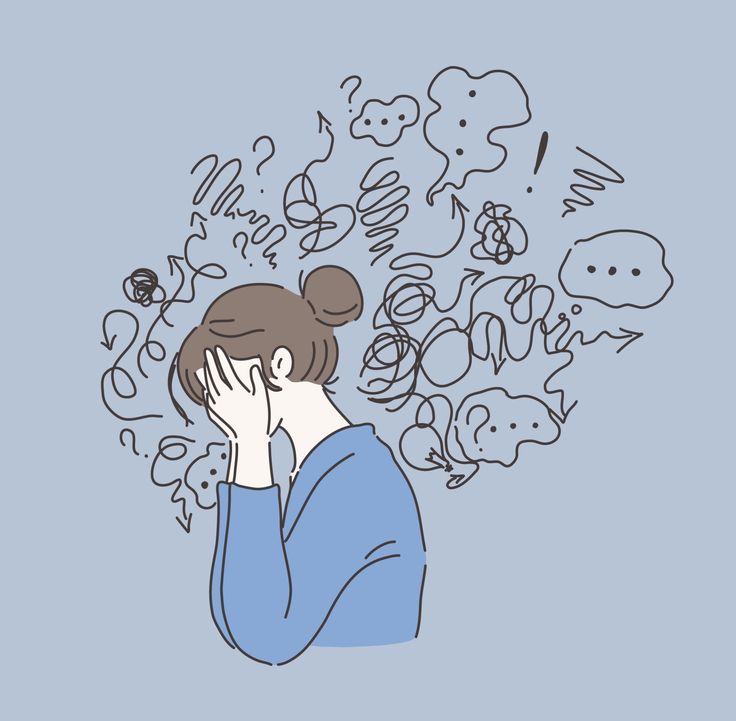
This blog post is a comprehensive guide to understanding this complex condition. We will move beyond the common stereotypes to explore the core of OCD, its many forms, the science behind its tyranny, and, most importantly, the evidence-based strategies that can break the cycle and offer a path to freedom.
Part 1: Beyond the Stereotypes: What OCD Really Is
The diagnostic criteria for Obsessive-Compulsive Disorder (OCD) define it as a chronic mental health condition characterized by the presence of obsessions, compulsions, or both. It is part of the obsessive-compulsive and related disorders family, which also includes conditions like Body Dysmorphic Disorder and Hoarding Disorder.
The key to understanding OCD is to recognize that the person experiencing it is often fully aware that their thoughts and behaviors are irrational, excessive, or nonsensical. This awareness adds a layer of immense distress and self-criticism, as they feel trapped in a cycle they cannot control. A person with OCD is not a perfectionist; they are a prisoner of their own mind, forced to act out rituals to quiet a storm of intrusive thoughts.
The hallmark of the condition is the profound functional impairment it causes. The obsessions and compulsions are time-consuming, often taking up more than an hour a day, and cause significant distress, interfering with social, occupational, or other important areas of a person’s life.
Part 2: The Vicious Cycle: Obsessions and Compulsions
The core of OCD is a two-part, interdependent cycle that feeds on itself. To break the cycle, one must first understand its components.
Obsessions: The Unwanted Intrusions
Obsessions are unwanted, intrusive, and persistent thoughts, urges, or images that are experienced as distressing and anxiety-provoking. They are not simply a person’s own worries; they are thoughts that feel alien, out of character, and often terrifying.
Common categories of obsessions include:
- Contamination: A pervasive fear of germs, dirt, illness, or “dirty” substances. This fear can extend to a fear of catching or spreading a disease to loved ones.
- Harm: An intrusive fear that one will accidentally or intentionally harm themselves or others. This can manifest as a fear of hitting someone with your car, a fear of pushing someone off a subway platform, or an unwanted image of violence.
- Symmetry and Order: A need for things to be perfect, even, or arranged in a specific way. This can lead to intense anxiety if objects are not aligned correctly or if a task is not completed with absolute precision.
- Sexual or Religious Intrusions: Unwanted and distressing sexual thoughts or images, or intrusive thoughts that violate a person’s deeply held religious or moral beliefs. These are often particularly distressing as they go against a person’s core values.
- Doubt and Responsibility: A profound, chronic doubt about whether a task was completed correctly, leading to an inflated sense of responsibility. This is the source of endless checking behaviors.
The experience of obsessions is one of utter helplessness. The brain latches onto a thought, and no matter how much a person tries to reason it away, it remains, causing a state of unbearable distress.
Compulsions: The Ritual of Relief
Compulsions are repetitive mental or physical acts that a person feels driven to perform in response to an obsession. Their sole purpose is to neutralize the obsession, reduce the associated anxiety, or prevent a feared event from happening.
Compulsions are not a source of pleasure; they are a desperate attempt to find relief from the torment of an obsession. This relief is almost always temporary. When the ritual is complete, the anxiety subsides, but the brain has now learned that this is the “correct” way to deal with the obsession, strengthening the obsessive-compulsive cycle. It is a cycle that mirrors addiction: the relief is a fleeting “high,” but it reinforces the behavior, leading to an increasing reliance on the compulsion.
Common types of compulsions include:
- Cleaning and Washing: Excessive hand washing, showering, or cleaning of objects to neutralize contamination fears.
- Checking: Repeatedly checking locks, stoves, light switches, or written documents to ensure no harm will occur.
- Counting: Performing a task a certain number of times or counting objects in a specific pattern to prevent a feared outcome.
- Ordering and Arranging: Arranging objects in a symmetrical or precise way to reduce a feeling of unease.
- Reassurance-Seeking: Constantly asking others for reassurance that a feared event will not happen.
- Mental Rituals: Compulsions can also be purely mental, such as silently repeating words or phrases, praying in a specific way, or replaying an event in one’s mind to “neutralize” an intrusive thought.
Part 3: The Many Faces of OCD: Common Subtypes
While the core cycle is the same, OCD presents in a multitude of ways, often organized into subtypes based on the dominant theme of the obsessions and compulsions.
- Contamination OCD: This is the most well-known subtype. The obsessions revolve around germs, dirt, bodily fluids, or other perceived contaminants. The compulsions involve excessive washing, cleaning, avoiding specific places or people, or using barriers (like gloves or paper towels) to avoid contact.
- Checking OCD: This subtype is driven by a profound sense of doubt and an inflated feeling of responsibility. The obsessions involve a fear of causing a catastrophe, such as a fire or a home invasion. The compulsions are an endless loop of checking: re-checking locks, alarms, appliances, or even re-reading texts or emails to ensure no mistake was made.
- Symmetry & Ordering OCD: This is the “just right” OCD. The obsessions are centered on a feeling that things must be perfectly aligned, balanced, or symmetrical. A person may spend hours arranging objects, re-writing, or performing a physical action repeatedly until it feels “just right.”
- “Pure O” OCD: This is a misleading term, as it implies there are no compulsions. In reality, the compulsions are simply internal and invisible to an observer. The obsessions are often of the violent or sexual intrusive variety, and the compulsions are mental rituals like counting, silently analyzing a thought, or neutralizing a bad thought with a good one. Because the rituals are internal, the person’s distress is often a lonely and hidden struggle.
- Relationship OCD (ROCD): Obsessions are focused on doubts about a romantic relationship. Is this the right person? Do I really love them? The compulsions involve constantly analyzing the partner’s actions, seeking reassurance from friends, or mentally comparing the relationship to others.
- Hoarding Disorder: While once considered a subtype of OCD, it is now a separate diagnosis in the DSM-5. However, it shares the core features of compulsive behavior driven by a fear of losing something, and the distress it causes is often related to the functional impairment of having an unlivable space.
Part 4: The Roots of the Cycle: Causes and Triggers
OCD is a complex condition with a variety of potential causes. It’s not a person’s fault; it’s a breakdown of biological and psychological systems.
- Biological Factors: Research suggests a strong genetic component to OCD. It can also be linked to abnormalities in certain brain circuits, particularly the frontostriatal circuit, which is involved in decision-making and habit formation. Neurotransmitters like serotonin are also thought to play a role, which is why medications targeting serotonin are often effective.
- Psychological Factors: Certain cognitive traits can make a person more vulnerable to OCD. These include an exaggerated sense of responsibility, a tendency toward rigid or black-and-white thinking, and an overestimation of the likelihood and consequences of a feared event.
- Environmental Factors: While OCD is not caused by a traumatic event, a traumatic experience can be a trigger for the onset of symptoms in a person who is already predisposed to the condition. In rare cases, some research has linked the sudden onset of OCD in children to a strep infection, a condition known as PANDAS (Pediatric Autoimmune Neuropsychiatric Disorders Associated with Streptococcal Infections).

Part 5: Breaking the Cycle: A Comprehensive Guide to Treatment
The most important message about OCD is that it is highly treatable. With the right support and tools, it is possible to break the cycle and regain control over your life. The gold standard for treatment is a multi-faceted approach.
Psychotherapy: The Power of Exposure
The most effective form of therapy for OCD is Exposure and Response Prevention (ERP). It is a type of Cognitive Behavioral Therapy (CBT) that directly confronts the core of the obsessive-compulsive cycle.
- Exposure: A person is gradually and systematically exposed to their obsessive fears. For example, a person with contamination OCD might be asked to touch a doorknob in a public space.
- Response Prevention: At the same time, the person is coached to prevent their typical compulsive response. They resist the urge to wash their hands.
The goal of ERP is to break the association between the feared event and the compulsive behavior. By remaining in a state of distress without performing the ritual, the person learns that the anxiety eventually subsides on its own, and the feared consequence does not occur. This process fundamentally rewires the brain’s response, teaching it that it is safe to not perform the ritual. While ERP can be incredibly challenging, it is the single most effective way to treat OCD.
Medication: A Chemical Lifeline
For many, medication is a crucial tool in managing symptoms and making therapy more effective. Selective Serotonin Reuptake Inhibitors (SSRIs), which are also used to treat depression, are the first-line medication for OCD. They are prescribed at a higher dose than for depression and help to regulate serotonin levels, which can reduce the intensity and frequency of obsessions and compulsions.
It is essential to consult with a qualified psychiatrist or medical doctor to determine if medication is right for you. Medication is not a cure, but it can be a vital component of a comprehensive treatment plan, making the process of ERP more manageable and effective.
Other Interventions
For severe, treatment-resistant cases of OCD, other interventions are being explored:
- TMS (Transcranial Magnetic Stimulation): A non-invasive procedure that uses magnetic fields to stimulate nerve cells in the brain.
- DBS (Deep Brain Stimulation): A surgical procedure that involves implanting electrodes in the brain. These are used only in the most extreme and persistent cases.
Part 6: Living with OCD: Coping and Self-Care
Living with OCD is a daily challenge, but there are practical strategies that can complement formal treatment.
- Mindfulness: Learning to be present with your thoughts without judgment is a powerful tool. Mindfulness helps you observe the obsession as a fleeting thought rather than an immediate threat, helping you to “surf the urge” to perform a compulsion.
- Support Systems: Talk to a therapist, a trusted family member, or a support group. Breaking the silence and shame that often surround OCD is the first step toward getting help.
- Self-Compassion: OCD is a tormenting condition. It is not your fault. Be kind to yourself. Celebrate small victories, such as resisting a compulsion, and acknowledge the immense courage it takes to fight this battle every day.
- Lifestyle Changes: Regular exercise, a healthy diet, and a consistent sleep schedule are vital. These lifestyle changes help to regulate mood and provide a strong foundation for managing anxiety.
Conclusion: A Path to Freedom
OCD is a silent epidemic, a crippling condition that has been trivialized and misunderstood for too long. But it is not a life sentence. With the right diagnosis, the unwavering support of evidence-based treatment like ERP, and the power of self-compassion, it is absolutely possible to break the obsessive-compulsive cycle.
The journey to recovery is not about being “cured” of all obsessive thoughts; it’s about learning that you don’t have to act on them. It is about a fundamental shift from being a prisoner to being a person in control. It’s about recognizing that you are not your thoughts, and that freedom lies in the space between the obsession and the compulsion. It is a path of courage, resilience, and hope—a path that millions have walked, and a path that you can walk too.
Related Posts

Minimalism: how to declutter your life for more happiness in 2025
minimalism visit sitehttps://www.instagram.com/ Minimalism: How to Declutter Your Life for…

weight loss vs. fat loss what you need to know in 2025
weight loss- Weight Loss vs. Fat Loss: What You Need…