
The Constant Alarm: Understanding and Overcoming Anxiety Disorders
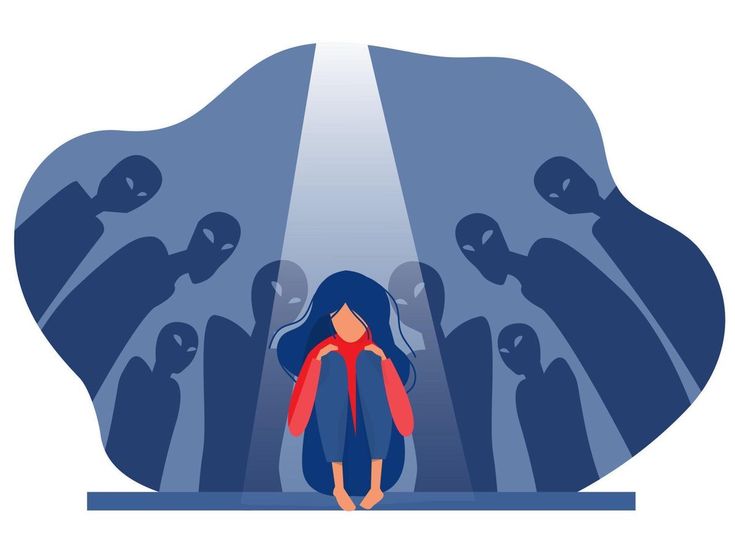
We’ve all felt it. The sudden, frantic flutter in our chest before a big presentation. The restless energy that keeps us up the night before an important exam. The knot in our stomach when we’re facing an uncertain future. This feeling, this aversive state of worry and unease, is anxiety. It is a fundamental human emotion, a natural and often helpful alarm system that alerts us to potential threats, preparing us to either confront or avoid danger.
But for millions of people around the world, this alarm system is broken. It doesn’t turn off. It sounds in the absence of danger, and its volume is disproportionate to the situation. It becomes a chronic, debilitating force that dictates every decision, colors every thought, and drains the joy from daily life. This is no longer just anxiety; this is an anxiety disorder.
Anxiety disorders are the most common mental health conditions globally, affecting over 264 million people. They are not a sign of weakness, a character flaw, or a simple case of “nerves.” They are legitimate medical conditions with biological, psychological, and environmental roots. They hijack the body’s natural fear response, trapping individuals in a cycle of worry, dread, and physical discomfort. This blog post is a comprehensive guide to understanding this pervasive condition, from its many faces and root causes to the effective and empowering strategies for treatment and recovery.
Part 1: Defining the Difference: Anxiety vs. Anxiety Disorder
To begin to understand anxiety disorders, we must first distinguish them from the normal experience of anxiety.
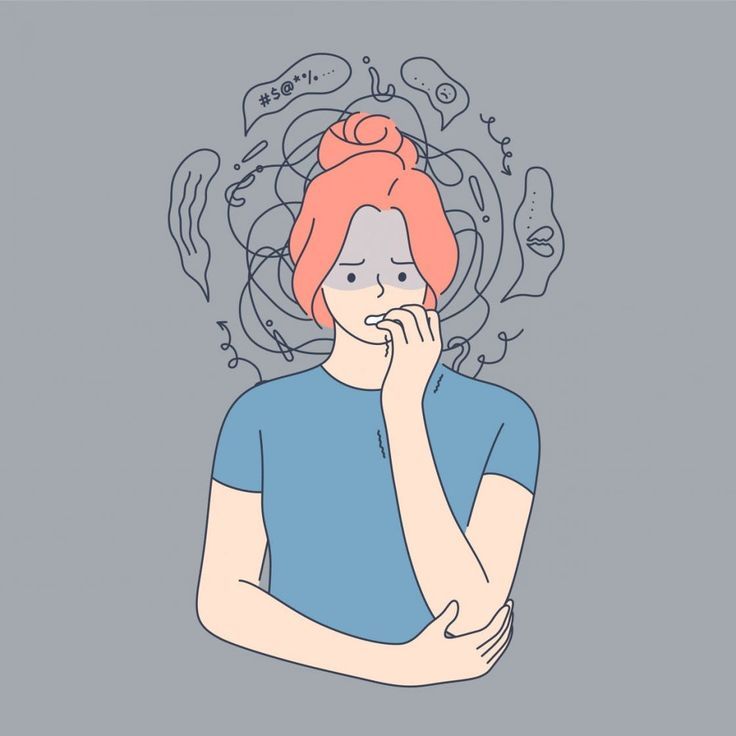
Normal Anxiety is a natural, temporary response to a stressful situation. It’s the jolt of adrenaline that helps you focus before a job interview, or the worry you feel for a loved one. It comes and goes and is proportional to the event causing it. It serves a purpose.
An Anxiety Disorder, on the other hand, is characterized by persistent, excessive, and impairing worry or fear. The alarm bells are constantly ringing, even when there is no discernible threat. The worry is difficult to control, and the physical symptoms—a racing heart, shortness of breath, trembling—are often so intense that they interfere with work, relationships, and daily activities. It’s an alarm system that has become a constant source of terror, rather than a helpful warning.
Part 2: The Faces of Anxiety: A Deep Dive into the Types
Anxiety is not a monolith; it manifests in a variety of distinct forms, each with its own unique characteristics and challenges. A correct diagnosis is the crucial first step toward effective treatment.
Generalized Anxiety Disorder (GAD) 🤯
Often referred to as the “chronic worrier’s disease,” GAD is characterized by excessive and uncontrollable worry about a wide range of everyday things. A person with GAD might worry about their finances, their health, their family’s safety, or even routine tasks like running errands. The worry is often out of proportion to the situation, and it can be difficult to pinpoint a single cause.
The symptoms of GAD are often both mental and physical, including restlessness, fatigue, difficulty concentrating, muscle tension, and sleep problems. The constant state of being on edge is exhausting and can lead to a cycle of worry that is incredibly difficult to break.
Panic Disorder 🚨
Panic disorder is defined by the sudden and repeated onset of panic attacks. These are intense, overwhelming surges of fear that peak within minutes. A panic attack is not just a stressful moment; it is a terrifying experience that can be mistaken for a heart attack or a medical emergency.
Symptoms of a panic attack include:
- A pounding or racing heart
- Sweating and shaking
- Shortness of breath or a feeling of being smothered
- A feeling of impending doom or loss of control
- Chest pain, nausea, and dizziness
- Derealization (a feeling of unreality) or depersonalization (a feeling of detachment from oneself)
Individuals with panic disorder often develop an intense fear of having another attack, which can lead to avoidance of places or situations where they’ve occurred.
Social Anxiety Disorder 🗣️
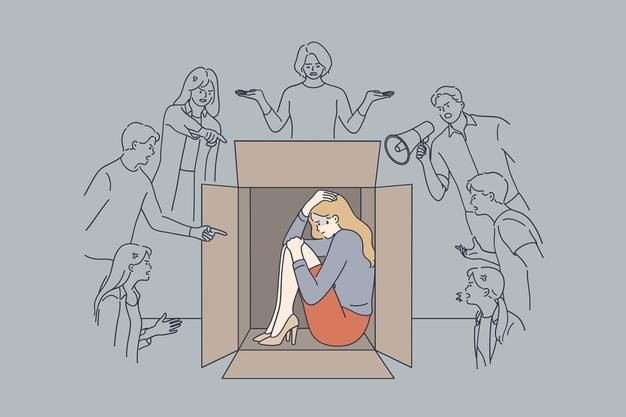
More than just shyness, social anxiety disorder is a persistent and intense fear of being judged, scrutinized, or humiliated in social situations. The fear is so pervasive that it can lead to the avoidance of parties, public speaking, or even simple tasks like eating in front of others.
The core fear is that one will behave in a way that is embarrassing or will lead to negative evaluation from others. A person with social anxiety might rehearse conversations for hours, replay social interactions in their mind, or use avoidance as a primary coping mechanism, which can severely limit their social and professional life.
Specific Phobias 🕷️
A specific phobia is an irrational and intense fear of a particular object or situation. The fear is so overwhelming that exposure to the trigger can lead to a panic attack. Common specific phobias include:
- Arachnophobia: Fear of spiders
- Acrophobia: Fear of heights
- Claustrophobia: Fear of confined spaces
- Trypanophobia: Fear of needles
While most people have fears, a specific phobia is characterized by an extreme, debilitating fear that actively impacts a person’s life, often leading to avoidance and significant distress.
Agoraphobia 🏡
Agoraphobia is a fear of situations or places that might be difficult to escape from or where help might not be available if a panic-like symptom were to occur. It is often a complication of panic disorder. A person with agoraphobia may fear public transportation, crowded places, or being in a large open space. In severe cases, this fear can lead to the person becoming housebound, as the outside world becomes a source of overwhelming terror.
Separation Anxiety Disorder 😢
While often associated with children, separation anxiety disorder can affect adults as well. It is characterized by an excessive and developmentally inappropriate fear of being separated from an attachment figure. For adults, this can manifest as an intense fear of their children leaving for school, or a spouse leaving for work, leading to constant worry about their safety and whereabouts.
Part 3: The Roots of Worry: Exploring the Causes
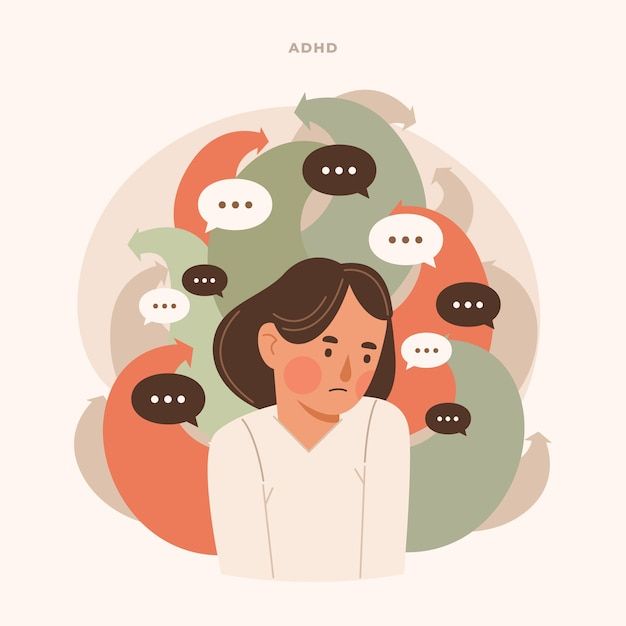
Anxiety disorders are complex, and their causes are rarely attributable to a single factor. They are typically the result of a combination of biological, psychological, and environmental influences.
Biological Factors 🧬
- Genetics: Research has shown that a family history of anxiety disorders can increase a person’s likelihood of developing one. This doesn’t mean it’s a guarantee, but it suggests a genetic predisposition.
- Brain Chemistry: The brain’s fear response is governed by a small, almond-shaped region called the amygdala. In individuals with anxiety disorders, the amygdala may be overactive, sending out false alarms. Additionally, an imbalance in neurotransmitters like serotonin and norepinephrine can contribute to anxiety.
- Medical Conditions: Certain medical conditions, like thyroid problems or heart arrhythmias, can produce symptoms that mimic anxiety, and some medications can also have anxiety as a side effect.
Environmental and Psychological Factors 🧠
- Traumatic Events: Experiencing or witnessing a traumatic event, such as an accident, an assault, or a natural disaster, can be a significant trigger for anxiety disorders, particularly for Post-Traumatic Stress Disorder (PTSD), which is closely related to anxiety.
- Chronic Stress: Long-term exposure to stress—whether from a demanding job, financial hardship, or a dysfunctional relationship—can overwhelm the body’s stress response system, leaving it in a constant state of high alert.
- Learned Behaviors: A person can “learn” anxiety from their parents or caregivers. If a child grows up seeing a parent who is constantly worried or fearful, they may internalize that behavior as a normal way of responding to the world.
Part 4: The Path to Understanding: Symptoms and Diagnosis
Recognizing the signs of an anxiety disorder is the first step toward seeking help. The symptoms can be categorized into three main areas.
- Physical Symptoms: A racing heart, chest pain, sweating, shortness of breath, trembling, dizziness, fatigue, and headaches. These are the body’s physiological responses to a perceived threat.
- Cognitive Symptoms: Uncontrollable and intrusive thoughts, difficulty concentrating, memory problems, a feeling of derealization, and a preoccupation with what could go wrong.
- Emotional and Behavioral Symptoms: Irritability, a feeling of constant dread or nervousness, restlessness, and, most notably, avoidance. People with anxiety disorders often go to great lengths to avoid the people, places, or situations that trigger their symptoms.
A proper diagnosis is not something you can do yourself. It requires a consultation with a qualified mental health professional, such as a psychologist or psychiatrist. They will conduct a thorough assessment, review your symptoms, and use diagnostic criteria from the DSM-5 (Diagnostic and Statistical Manual of Mental Disorders) to determine if your symptoms meet the criteria for an anxiety disorder. They will also rule out any underlying medical conditions that could be causing your symptoms.
Part 5: From Surviving to Thriving: A Comprehensive Guide to Treatment and Coping
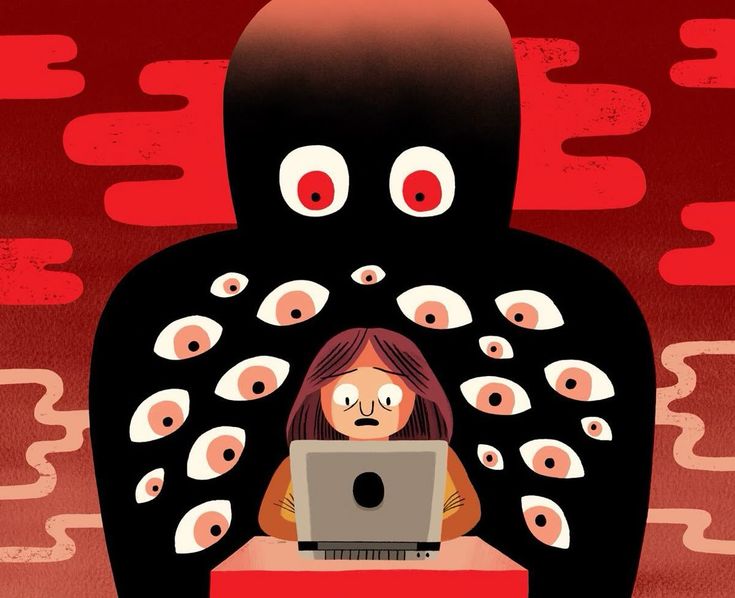
The good news about anxiety disorders is that they are highly treatable. With the right tools and support, it is absolutely possible to manage your symptoms and lead a full, joyful life. A multi-faceted approach, combining professional help with lifestyle changes, is often the most effective path to recovery.
Professional Treatment: The Cornerstones of Recovery
- Psychotherapy (Talk Therapy): This is one of the most effective treatments for anxiety disorders. The gold standard is Cognitive Behavioral Therapy (CBT). CBT is a goal-oriented, short-term therapy that helps individuals identify and challenge the negative thought patterns and behaviors that fuel their anxiety. It teaches practical skills to reframe thoughts, confront fears gradually, and develop healthy coping mechanisms.
- Exposure Therapy: A specific type of CBT, exposure therapy is particularly effective for phobias and social anxiety. It involves gradually and systematically exposing a person to their feared object or situation in a safe, controlled environment until their anxiety response diminishes.
- Medication: A psychiatrist may prescribe medication, often in combination with therapy, to help manage symptoms.
- SSRIs (Selective Serotonin Reuptake Inhibitors): These antidepressants work by increasing the levels of serotonin in the brain and are often the first line of treatment.
- Benzodiazepines: These are fast-acting sedatives that can provide short-term relief for severe anxiety or panic attacks. However, due to their potential for dependence, they are typically prescribed for short periods.
Holistic & Lifestyle Strategies: Empowering Yourself
While professional help is crucial, you can also empower yourself by making changes to your lifestyle. These strategies support your body and mind in reducing anxiety’s grip.
- Mindfulness and Meditation: These practices help to ground you in the present moment, pulling your focus away from anxious thoughts about the past or future. Regular meditation can help to retrain your brain’s fear center and reduce reactivity to stressful situations.
- Physical Activity: Regular exercise is one of the most powerful anti-anxiety tools. It releases endorphins, reduces stress hormones like cortisol, and improves sleep. A simple daily walk can have a profound impact.
- Nutrition and Sleep: The mind-body connection is real. A balanced diet rich in whole foods can stabilize mood and energy levels. Equally important is prioritizing sleep, as sleep deprivation can significantly increase anxiety and irritability.
- Breathing Techniques: When anxiety strikes, your breathing becomes shallow and rapid. Learning to control your breath can send a signal to your nervous system that you are safe. A simple technique is Box Breathing: Inhale for a count of four, hold for a count of four, exhale for a count of four, and hold for a count of four. Repeat.
Everyday Coping Skills: Tools for the Moment
These are quick, on-the-spot techniques that can help you manage a moment of rising anxiety.
- Grounding Techniques: The 5-4-3-2-1 method is a simple but effective way to pull your mind out of a spiral of worry and into the present moment. Name five things you can see, four things you can feel, three things you can hear, two things you can smell, and one thing you can taste.
- Journaling: Writing down your worries can help to externalize them. It can provide a sense of control and help you to identify recurring thought patterns.
- Setting Boundaries: Learn to say “no” and protect your energy. Over-committing yourself is a surefire way to increase stress and anxiety.
- Building a Support System: You are not alone. Talk to a trusted friend, family member, or join a support group. Sharing your struggles can reduce feelings of isolation and shame.
Conclusion: A Journey of Hope and Resilience
An anxiety disorder can feel like a life sentence, but it is not. It is a challenge, but one that can be overcome. Understanding the nature of the condition, its many faces, and its complex causes is the first, most powerful step. By combining the power of professional treatment with the empowering practices of lifestyle changes and daily coping skills, you can begin to regain control over your life.
The journey to recovery is not a straight line; it is a series of small, brave steps. It is the decision to go on that walk, to challenge that anxious thought, to talk to that friend, and to seek help when you need it. Anxiety disorders are a testament to the fact that our brains are complex and sometimes our alarms get stuck on. But they are also a testament to the incredible resilience of the human spirit. With compassion, patience, and the right tools, it is possible to quiet the noise, disarm the alarm, and find your way back to peace.
Related Posts

The ethical implication of AI in healthcare
ai in healthcare": The Algorithmic Oath: Ethics and Responsibility in…

Mental health awareness : tips to reduce stress and anxiety in 2025
mental health awareness: tips to reduce stress and anxiety in…

blockchain beyond cryptocurrency
he Invisible Ledger: A 2000-Word Journey Beyond Cryptocurrency cryptocurrency- For…