
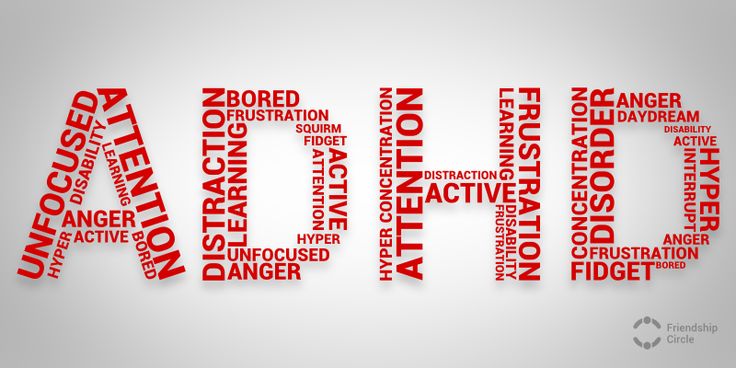
When you try to focus on a single task, does your brain feel like a web browser with a hundred tabs open? Is there a constant, low-level hum of restlessness in your body, an urge to move, to fidget, to just do something? Do you feel an inner spark of creative energy and passion, but a frustrating disconnect between your ideas and your ability to follow through?
If you answered yes to any of these questions, you are not alone. For millions of people around the world, this is the daily reality of living with Attention-Deficit/Hyperactivity Disorder, or ADHD.
For too long, ADHD has been misunderstood, dismissed as a “childhood phase,” a simple lack of discipline, or just a symptom of modern life. The common perception is often a caricature: a hyperactive young boy who can’t sit still. While this image is a part of the story, it is far from the whole picture. ADHD is a complex neurodevelopmental condition—a fundamental difference in the brain’s wiring—that affects how a person manages attention, emotions, and impulses. It is a condition that spans a lifetime and impacts every aspect of a person’s existence, from their relationships and career to their sense of self-worth.
This blog post is a comprehensive journey into the world of ADHD. We will move beyond the stereotypes and explore its different forms, its neurological underpinnings, and its profound impact on both children and adults. We will debunk common myths and, most importantly, provide a clear, empathetic guide to understanding and thriving with an ADHD brain.
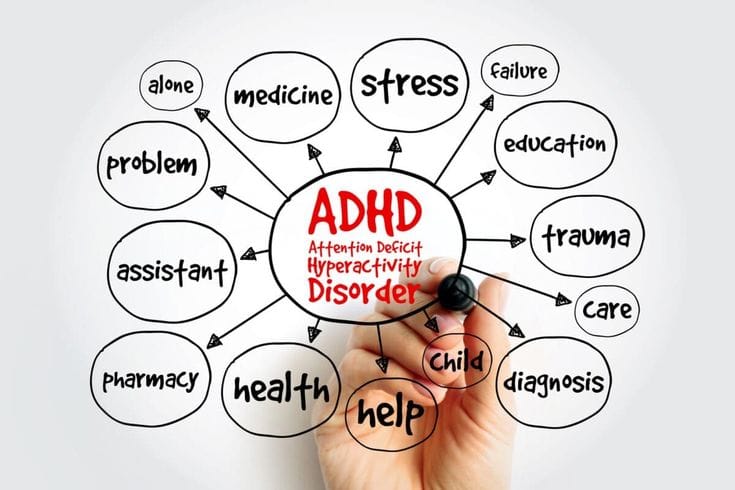
Part 1: Beyond Distraction – What is ADHD?
ADHD is classified as a neurodevelopmental disorder. This means it’s a condition that originates in the brain and affects its development. It is not a mental illness, although it often co-occurs with conditions like anxiety and depression. It’s a difference in how the brain’s “executive functions”—the command center responsible for planning, organizing, self-regulation, and working memory—operate.
Think of the brain as a complex company. The CEO, the prefrontal cortex, is responsible for making sure everything runs smoothly. In a neurotypical brain, this CEO is efficient, prioritizing tasks, and ensuring departments are working together. In an ADHD brain, the CEO is there, but the communication lines are a bit fuzzy. There’s a brilliant ideas department, but the follow-through department might get sidetracked. The emotional regulation department might have some unpredictable swings.
The key neurotransmitters involved in this process are dopamine and norepinephrine. Dopamine is the “reward” chemical, essential for motivation and pleasure. In ADHD brains, there is a shortage of dopamine regulation, which means the brain is constantly seeking stimulation and reward to feel motivated. This is why people with ADHD are often great at things they are passionate about (a source of natural dopamine) but struggle intensely with tasks that are mundane or uninteresting.
This isn’t a choice; it’s a biological reality. A person with ADHD doesn’t choose to be distracted. Their brain is simply wired to respond more strongly to novelty and external stimuli, while struggling to maintain focus on internal, less-rewarding tasks.
Part 2: The Three Presentations of ADHD
ADHD is not a one-size-fits-all condition. It manifests in three distinct presentations, which can change over time.
1. Predominantly Inattentive Presentation
This is often the most misunderstood and underdiagnosed type, particularly in girls and women. It’s the “daydreamer” stereotype, but the reality is far more complex and debilitating. A person with this presentation may not show any external signs of hyperactivity. Their struggle is internal.
Symptoms often include:
- Difficulty sustaining attention on tasks or conversations.
- Often seems not to listen when spoken to directly.
- Struggles with organization and managing time.
- Is easily distracted by unrelated thoughts or external stimuli.
- Is often forgetful in daily activities.
- Makes careless mistakes or has a poor attention to detail.
This form of ADHD can be mistaken for laziness, a lack of intelligence, or a personality quirk. Because the inattention is often quiet and internalized, it can go unnoticed for years, leading to a long history of frustration and a feeling of “not being good enough.”
2. Predominantly Hyperactive-Impulsive Presentation
This is the classic, more visible form of ADHD. The person is constantly in motion, both physically and mentally.
Symptoms often include:
- Fidgeting, tapping hands or feet, or squirming in their seat.
- Difficulty remaining seated in situations where it is expected.
- Feeling restless and unable to be still for long periods.
- Excessive talking.
- Blurting out answers before a question is completed.
- Difficulty waiting their turn.
- Interrupting others during conversations or games.
While this presentation is more common in children, in adults, the physical hyperactivity often evolves into an internal restlessness, a constant mental hum that makes it difficult to relax or “shut off.” The impulsivity, however, can continue to cause problems in decision-making and relationships.
3. Combined Presentation
This is the most common and widely recognized presentation, where an individual meets the criteria for both inattentive and hyperactive-impulsive symptoms. These individuals experience the full range of ADHD challenges, from a racing mind and external restlessness to difficulty with focus, organization, and emotional regulation.
Part 3: The Brain’s Unique Operating System
To understand ADHD, we must look at the brain. The core of the issue lies in the Executive Functions—a set of mental skills that control and regulate our thoughts and actions.
Think of executive functions as the conductor of an orchestra. It tells each section when to play, for how long, and how loud. In an ADHD brain, the conductor’s instructions are often garbled or delayed.
The key executive functions impacted by ADHD are:
- Working Memory: The ability to hold information in your mind while using it. This is why following multi-step instructions can be so difficult.
- Task Initiation: The ability to start a task without a push. This is the common struggle with procrastination, even on tasks a person wants to do.
- Emotional Regulation: The ability to manage and respond to emotions. This is why emotional outbursts, frustration, and mood swings are so common.
- Planning and Prioritization: The ability to set goals and figure out a sequence of steps to achieve them.
Research using fMRI and other brain imaging techniques has shown consistent differences in the structure and function of the brains of individuals with ADHD. Areas of the brain, such as the prefrontal cortex, which are responsible for these executive functions, can be smaller or less active in those with ADHD. . This provides powerful, tangible evidence that ADHD is a neurobiological condition, not a behavioral issue.
Part 4: The Adult ADHD Experience
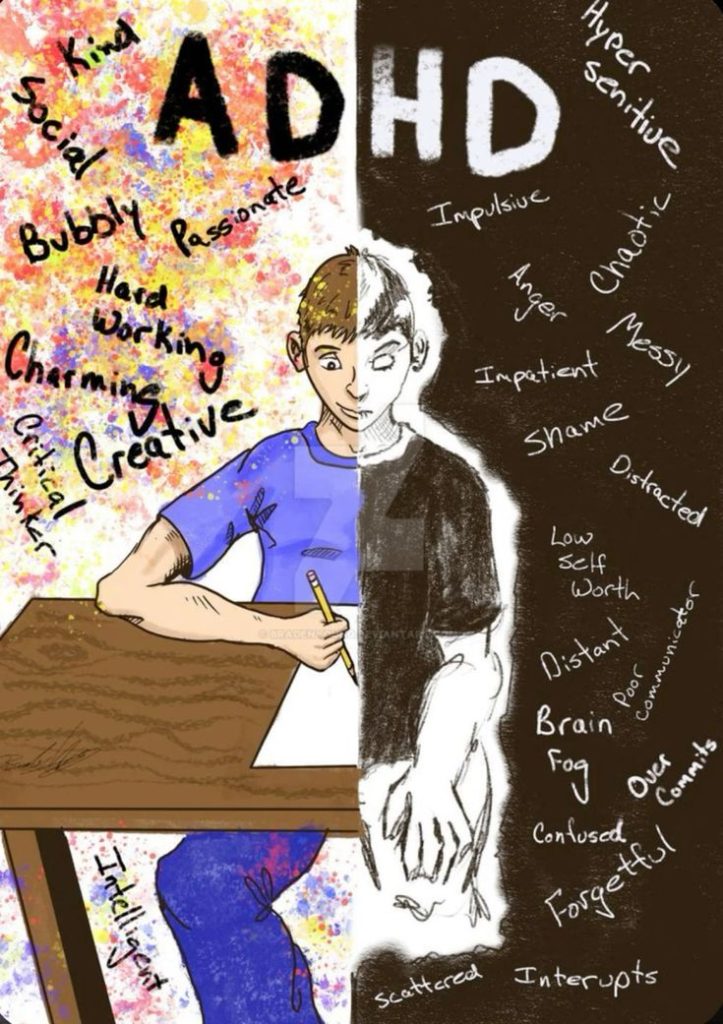
The myth that ADHD is only a childhood condition has led to millions of adults going undiagnosed, struggling for decades without understanding why they feel a constant sense of chaos and frustration. The symptoms don’t disappear; they evolve.
An adult with ADHD might find themselves:
- Struggling with job stability due to chronic disorganization or impulsive job changes.
- Having relationship issues due to inattentiveness, forgetfulness, or emotional dysregulation.
- Feeling overwhelmed by everyday tasks like bill-paying or household chores.
- Experiencing co-occurring conditions like anxiety, depression, and substance use disorders, which are often the result of years of feeling misunderstood and like a failure.
- Battling an inner sense of shame and a feeling that they are not meeting their potential.
Receiving an ADHD diagnosis as an adult can be a life-changing moment. It provides a framework for understanding decades of struggles and a sense of profound relief. It’s a chance to stop blaming oneself and start building strategies for a different kind of success.
Part 5: Debunking the Myths
Let’s tackle some of the most persistent and damaging myths about ADHD.
- Myth 1: ADHD isn’t real. The scientific consensus is clear and overwhelming. ADHD is a well-researched, valid neurodevelopmental condition. The neurological and genetic evidence is robust. It’s as real as dyslexia or autism.
- Myth 2: It’s just a lack of discipline. This myth is a cruel mischaracterization. ADHD is not a moral failing. A person with ADHD can have a strong desire to focus and be productive, but the biological mechanisms required for that are working against them. You can’t “try harder” to make your brain produce more dopamine.
- Myth 3: Everyone has a little ADHD. Distraction and forgetfulness are a normal part of the human experience. However, for a person with ADHD, these symptoms are so pervasive and persistent that they cause significant impairment in at least two areas of life (e.g., work, school, home, or relationships). The key is the level of impairment, not the presence of the symptom.
- Myth 4: It’s a “boy’s disease.” Historically, ADHD has been diagnosed far more in boys. This is largely because the more visible, hyperactive-impulsive symptoms are easier to spot. Girls are more likely to have the inattentive presentation, which often goes unnoticed, leading to a long history of being labeled as “shy,” “unmotivated,” or “anxious.” The gender gap in diagnosis is narrowing as awareness of the inattentive presentation grows.

Part 6: From Diagnosis to Thriving – A Comprehensive Look at Treatment
ADHD is a manageable condition. There is no single cure, but a combination of strategies can significantly improve a person’s quality of life. The most effective approach is a multimodal one, combining different types of interventions.
Medication
For many, medication is a crucial first step. It is not a cure, but a tool.
- Stimulants: Medications like Adderall and Ritalin are the most common and effective treatments. They work by increasing the levels of dopamine and norepinephrine in the brain, helping to improve focus, reduce impulsivity, and regulate emotional responses.
- Non-Stimulants: For those who cannot tolerate or do not respond to stimulants, non-stimulant medications like Strattera or Intuniv are available. They work differently and take longer to show effects but can be a good alternative.
It’s vital to work with a qualified healthcare professional, such as a psychiatrist, to find the right medication and dosage.
Therapy and Coaching
Medication addresses the biological component, but therapy and coaching address the behavioral and psychological aspects of living with ADHD.
- Cognitive Behavioral Therapy (CBT): CBT helps individuals identify and challenge negative thought patterns, such as self-criticism and shame. It provides practical strategies for managing emotional dysregulation and building resilience.
- ADHD Coaching: A professional coach can help a person with ADHD develop real-world, practical skills. This includes creating systems for organization, time management, and task initiation. It’s a hands-on, solution-focused approach to building a toolbox of strategies.
Lifestyle and Environmental Strategies
Simple, consistent lifestyle changes can have a profound impact on managing ADHD symptoms.
- Exercise: Regular physical activity, especially cardio, is one of the most effective non-medication interventions. It increases dopamine levels, reduces stress, and can improve focus.
- Sleep Hygiene: Sleep is critical for brain function. A consistent sleep schedule is vital, as sleep deprivation can dramatically worsen ADHD symptoms.
- Nutrition: A balanced diet can help stabilize blood sugar and mood. Avoiding excessive sugar and caffeine can prevent energy crashes and irritability.
- Environmental Adjustments: Create a workspace that minimizes distractions. Use visual cues, like sticky notes and whiteboards, to help with working memory. Set reminders and alarms for every task. These external aids can compensate for internal executive function challenges.
Conclusion: Embracing Neurodiversity
The conversation around ADHD is shifting. We are moving away from viewing it as a deficit and toward embracing it as a form of neurodiversity. The ADHD brain, with its relentless energy and quick-fire thoughts, also comes with a unique set of strengths:
- Creativity and Innovation: The tendency to think divergently and connect seemingly unrelated ideas.
- Hyperfocus: The ability to intensely focus on a task they are passionate about for hours on end, often leading to incredible accomplishments.
- Resilience: The ability to bounce back from setbacks after a lifetime of facing challenges.
- Spontaneity and Enthusiasm: A natural sense of energy and a willingness to try new things.
Living with ADHD is a challenge, but it is not a curse. It is a different operating system, and once a person understands how their brain works, they can stop fighting it and start working with it. The journey of understanding ADHD is one of self-compassion, discovery, and ultimately, empowerment. It’s about recognizing that your brain is not broken; it’s simply wired to see the world in a way that is uniquely and powerfully your own.
When you try to focus on a single task, does your brain feel like a web browser with a hundred tabs open? Is there a constant, low-level hum of restlessness in your body, an urge to move, to fidget, to just do something? Do you feel an inner spark of creative energy and passion, but a frustrating disconnect between your ideas and your ability to follow through?
If you answered yes to any of these questions, you are not alone. For millions of people around the world, this is the daily reality of living with Attention-Deficit/Hyperactivity Disorder, or ADHD.
For too long, ADHD has been misunderstood, dismissed as a “childhood phase,” a simple lack of discipline, or just a symptom of modern life. The common perception is often a caricature: a hyperactive young boy who can’t sit still. While this image is a part of the story, it is far from the whole picture. ADHD is a complex neurodevelopmental condition—a fundamental difference in the brain’s wiring—that affects how a person manages attention, emotions, and impulses. It is a condition that spans a lifetime and impacts every aspect of a person’s existence, from their relationships and career to their sense of self-worth. Understanding ADHD is also vital for maintaining overall mental health.
This blog post is a comprehensive journey into the world of ADHD. We will move beyond the stereotypes and explore its different forms, its neurological underpinnings, and its profound impact on both children and adults. We will debunk common myths and, most importantly, provide a clear, empathetic guide to understanding and thriving with an ADHD brain.
Related Posts


Morning routines of highly productive people in 2025
Morning Routines of Highly Productive People in 2025 morning routine…