
Holistic Health
Introduction
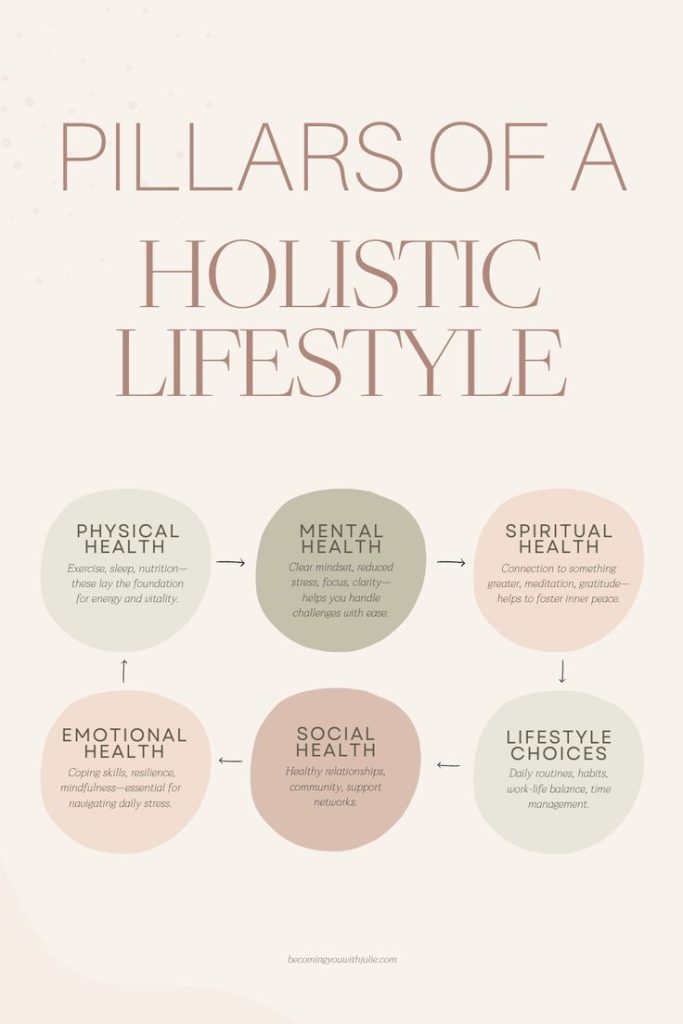
In 2025, wellness isn’t just about diet or exercise—it’s about holistic well-being, which integrates the mind, body, and soul. People today are realizing that true health comes from balance, mindfulness, and conscious living rather than isolated habits. This modern approach encourages individuals to slow down, connect with themselves, and cultivate harmony between their physical and emotional worlds.
Holistic wellness emphasizes the importance of treating the individual as a complete being—one whose physical, mental, and spiritual dimensions are deeply connected. By paying attention to all aspects of life, from nutrition to mindset, it allows us to lead healthier, happier, and more fulfilling lives. This article explores what holistic living means, its core principles, and practical ways to adopt it in everyday life.
What Is Holistic Wellness?
At its core, holistic wellness is a comprehensive approach to well-being that considers the body as an interconnected system. It encourages people to care for every part of themselves rather than focusing on isolated symptoms or short-term fixes. This philosophy blends science and mindfulness, promoting prevention and balance as the foundation of a thriving life.
It includes three key dimensions:
- Physical Health: Maintaining the body through nutrition, exercise, and rest.
- Mental Health: Developing emotional balance, resilience, and awareness.
- Spiritual Health: Cultivating inner peace, meaning, and a sense of purpose.
Unlike conventional health models that often target a single ailment, holistic health invites us to explore how our thoughts, habits, and surroundings influence overall well-being.
Principles of Holistic Wellness
The foundation of a balanced lifestyle rests on several guiding principles:
- Balance: Harmonizing physical, emotional, and spiritual elements.
- Self-Awareness: Understanding how emotions, beliefs, and behaviors shape experiences.
- Mindfulness: Staying fully present and intentional in daily actions.
- Prevention: Prioritizing long-term health through proactive care.
- Natural Living: Using whole foods, natural remedies, and sustainable practices that support both body and planet.
Together, these values encourage a lifestyle that is nurturing, sustainable, and aligned with one’s true nature.
Physical Practices for Holistic Wellness
Physical well-being forms the base of all other dimensions. When the body feels good, the mind and spirit naturally follow.
A. Nutrition
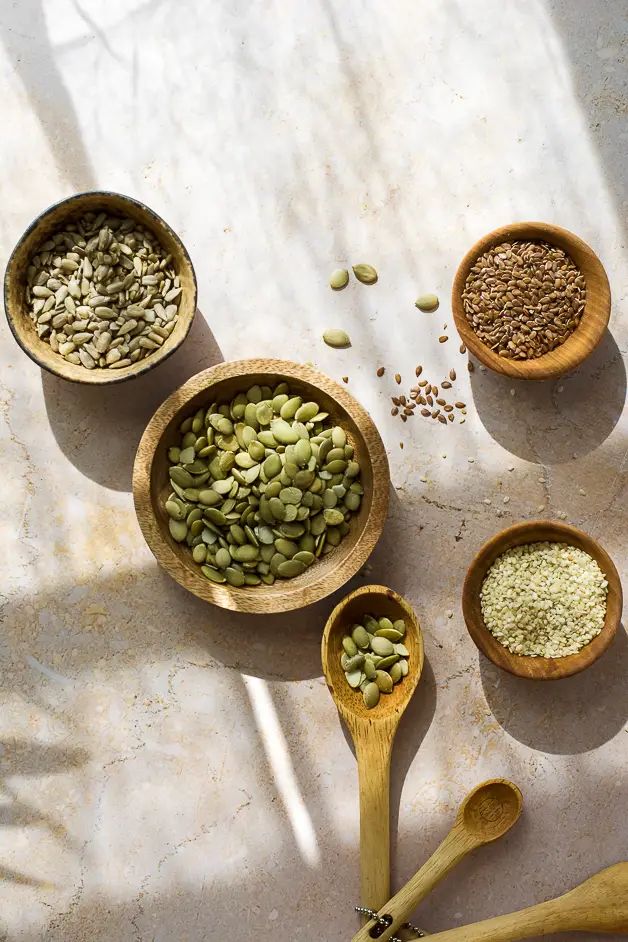
- Focus on whole, unprocessed foods—fresh fruits, vegetables, legumes, and grains.
- Include healthy fats and lean proteins for sustained energy.
- Stay hydrated with water, herbal teas, or infused drinks.
- Limit sugar, refined carbs, and processed additives.
B. Exercise
Regular movement helps regulate hormones, improve mood, and enhance longevity. Activities such as yoga, Pilates, or tai chi combine flexibility and mindfulness, while outdoor exercises like hiking or cycling deepen your connection to nature.
C. Rest & Recovery
Sleep is the body’s natural healer. Prioritize 7–9 hours of quality rest, unwind with light stretching or meditation, and listen to your body’s cues for recovery.
Through consistent care and gentle discipline, physical balance supports the broader goals of holistic wellness.
Mental Practices for Holistic Wellness
Mental health forms the bridge between the body and spirit. When the mind is calm and clear, everything else aligns more easily.
A. Mindfulness & Meditation
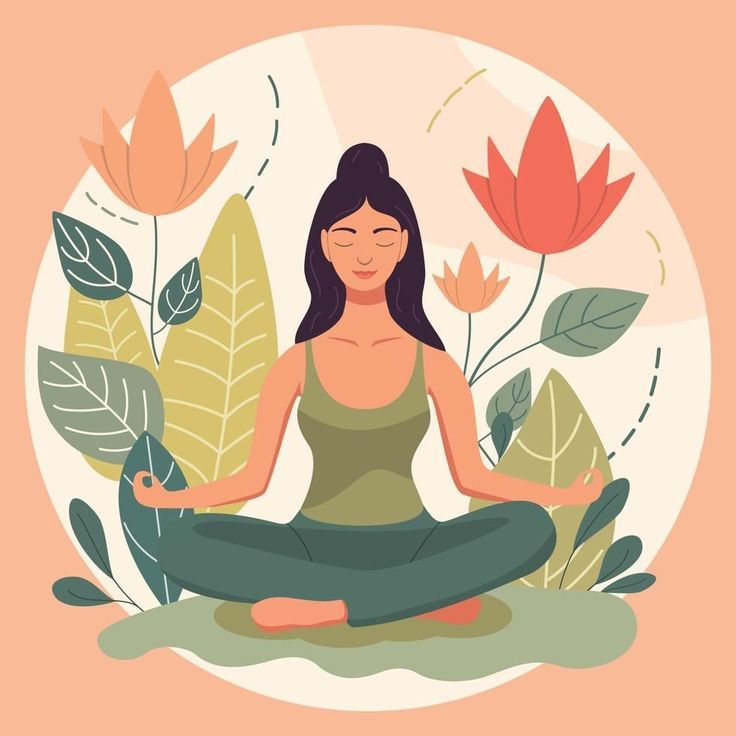
Meditation improves concentration, reduces stress, and builds emotional awareness. Simple breathing exercises like pranayama regulate energy and calm the nervous system. Journaling further promotes self-reflection, helping individuals release tension and gain perspective.
B. Stress Management
To manage stress effectively, practice gratitude, repeat positive affirmations, and visualize success. Engaging in creative outlets—such as painting, music, or writing—also provides mental relief. Avoid excessive multitasking, as focusing on one task at a time promotes mental clarity and productivity.
C. Emotional Well-Being
Develop emotional intelligence by recognizing and managing your feelings. Nurture supportive relationships and seek professional help when deeper issues arise. Over time, emotional balance becomes a cornerstone of holistic health, promoting confidence, compassion, and resilience.
Spiritual Practices for Holistic Wellness
Spiritual health is often overlooked but essential for inner harmony. It connects you with a sense of purpose beyond material goals.
- Yoga & Tai Chi: These practices unite movement, breath, and focus, fostering both flexibility and inner peace.
- Mindful Walking: Being present with each step connects body, breath, and nature.
- Gratitude Practice: Reflecting daily on blessings nurtures positivity and humility.
- Self-Reflection: Regular introspection helps align your actions with your core values.
- Connection to Higher Consciousness: Whether through prayer, meditation, or energy healing, spiritual connection nourishes the soul.
Integrating spiritual rituals into daily routines strengthens emotional balance and deepens the meaning of holistic wellness.
Holistic Wellness in Daily Life
True transformation happens through consistent, small actions. Creating structured routines helps sustain balance throughout the day.
Morning Routine
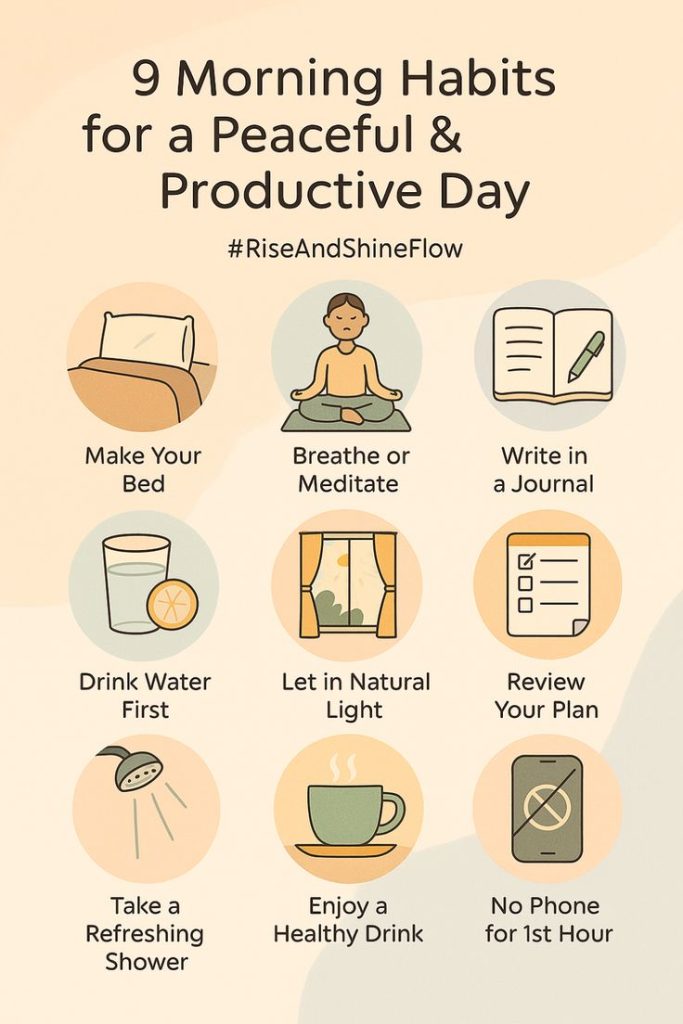
- Hydrate and stretch upon waking.
- Practice mindfulness or meditation for 10–20 minutes.
- Eat a balanced breakfast with fruits, grains, and protein.
Midday Practices
- Take breaks to stretch and breathe.
- Practice gratitude or brief meditations during work.
- Eat balanced, nourishing meals.
Evening Routine
- Unwind with gentle yoga, reading, or a short walk.
- Limit screen time 1–2 hours before bed.
- Reflect on your day through journaling or prayer.
When such habits are maintained regularly, holistic health becomes not a goal but a natural way of living.
Benefits of Holistic Wellness
A lifestyle rooted in harmony brings long-term rewards for both body and mind.
- Enhanced Physical Health: Improved energy, immunity, and vitality.
- Mental Clarity: Lower stress and greater focus.
- Spiritual Growth: A deeper connection to self and higher purpose.
- Improved Relationships: Empathy, patience, and better communication.
- Sustainable Well-Being: Preventive care and lasting inner peace.
People who follow these practices often experience not only better health but also a greater sense of meaning and joy in daily life. The integration of self-care and awareness fuels emotional resilience—the heart of holistic wellness.
Tips to Start Your Holistic Journey
- Start Small: Introduce one mindful habit each week.
- Be Consistent: Small actions performed daily create lasting change.
- Explore Freely: Experiment with different wellness methods until you find what resonates.
- Practice Mindfulness Daily: Even a few minutes of deep breathing can shift your energy.
- Seek Guidance: Connect with wellness coaches, nutritionists, or spiritual mentors when needed.
Remember, the goal isn’t perfection—it’s presence and progress. Over time, consistency builds momentum, and each mindful action brings you closer to harmony and happiness.
Conclusion
Holistic wellness in 2025 represents a conscious way of living that integrates physical health, emotional awareness, and spiritual growth. By nurturing all three dimensions, you build resilience against stress, cultivate joy, and connect more deeply with yourself and others.
The journey is deeply personal—filled with growth, reflection, and transformation. Whether through mindful movement, nutritious food, or meditation, each step leads you toward a state of balance and vitality. In embracing this lifestyle, you empower yourself to live not just longer, but better—with purpose, clarity, and peace.
FAQs
Q1. What is holistic wellness?
A comprehensive approach that balances physical, mental, and spiritual health.
Q2. How do I start practicing it?
Begin with small daily habits like meditation, mindful eating, or stretching.
Q3. Can it improve mental health?
Yes, mindfulness and meditation significantly reduce stress and enhance focus.
Q4. Is it suitable for everyone?
Absolutely—practices can be adapted to any lifestyle or ability.
Q5. How long until I see results?
With consistency, physical and emotional improvements appear in weeks, while deeper spiritual growth unfolds over time.
Related Posts

The role of sleep and recovery in fitness success in 2025
sleep- Introduction Fitness is more than just workouts and diet—it’s…

