
Avocado: A Deep Dive into the World of fat king
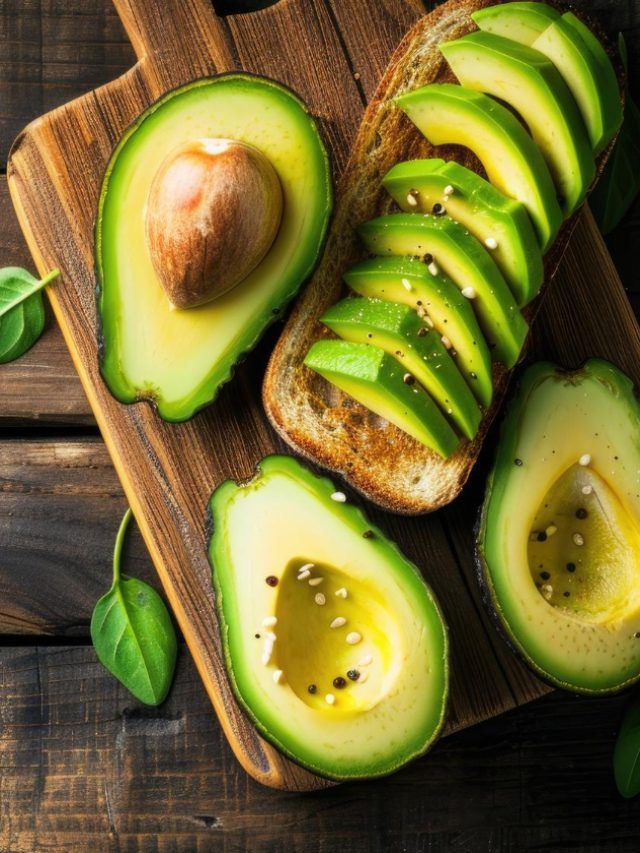
In the last decade, few foods have experienced a rise in cultural status as meteoric as the avocado. Once an exotic curiosity, it has transformed into a global culinary superstar, a symbol of wellness, and a staple on menus everywhere from high-end restaurants to home kitchens. It is the star of countless Instagram posts, the subject of generational debates about homeownership, and the undisputed king of toast. But the avocado is far more than just a trendy food. It is a nutritional powerhouse with a fascinating history, a complex journey from its ancient origins to its modern-day dominance.
This blog post is a comprehensive journey into the world of the avocado. We will explore its rich history and botany, demystify its incredible health benefits, celebrate its surprising culinary versatility, and examine the economic and environmental realities that come with its soaring popularity. Whether you’re a devout avocado aficionado or a curious newcomer, prepare to have your understanding of this “alligator pear” forever changed.
Part 1: A Journey Through Time: The Avocado Ancient Origins
Part 1: The Story of the Avocado Begins
The story of the Avocado begins not in a modern supermarket, but in the lush, humid tropical regions of south-central Mexico. Archaeological evidence suggests that this remarkable fruit has been a source of nourishment for humans in this area for over 10,000 years and was cultivated by Mesoamerican civilizations for centuries. The Aztecs called it ahuacatl, a term that also meant “testicle,” likely due to its shape and the way it hangs from the tree. This name, though amusing to the modern ear, reflected the fruit’s symbolic connection to fertility, strength, and vitality.
Among the Aztecs, this green gem held a special place in daily life. It was eaten fresh, mixed into sauces, and even used in skin treatments for its soothing oils. When the Spanish conquistadors arrived in the 16th century, they encountered this rich, buttery fruit for the first time. Captivated by its flavor and nutritional value, they brought it to the Caribbean, South America, and later to Europe. However, it took centuries for it to become popular outside the Americas. In the United States and Europe, it was long seen as exotic and fatty—qualities that initially worked against it.
It wasn’t until the mid-20th century that the Avocado began its true global journey, thanks largely to one particular variety that would change everything: the Hass.
Part 2: From Seed to Table — Botany and Cultivation
One of the most common questions about the Avocado is whether it’s a fruit or a vegetable. Botanically speaking, it’s a fruit—a single-seed berry, to be exact. Despite being used mostly in savory dishes, it belongs firmly to the fruit family.
The tree itself, a proud member of the laurel family, flourishes in warm, tropical climates. There are hundreds of varieties across the world, ranging in texture, flavor, and color. Yet, the Hass variety reigns supreme. Named after Rudolph Hass, a Californian postal worker who discovered the tree in his backyard in the 1920s, this type has a rough, dark-green skin and a creamy, nutty flesh that made it perfect for commercial growth.
One fascinating trait of this green delicacy is that it doesn’t ripen on the tree. It remains firm until picked, beginning to soften only after harvest. This quality revolutionized trade, allowing farmers to ship it across continents while still unripe and firm. Ripening can later be controlled using ethylene gas, ensuring it arrives ready to eat.
Still, large-scale cultivation has its drawbacks. This lush fruit demands a great deal of water—up to 70 liters per fruit in some regions—leading to environmental strain in areas like Chile and parts of Mexico.
Over time, the Avocado has become a symbol of both abundance and sustainability challenges.
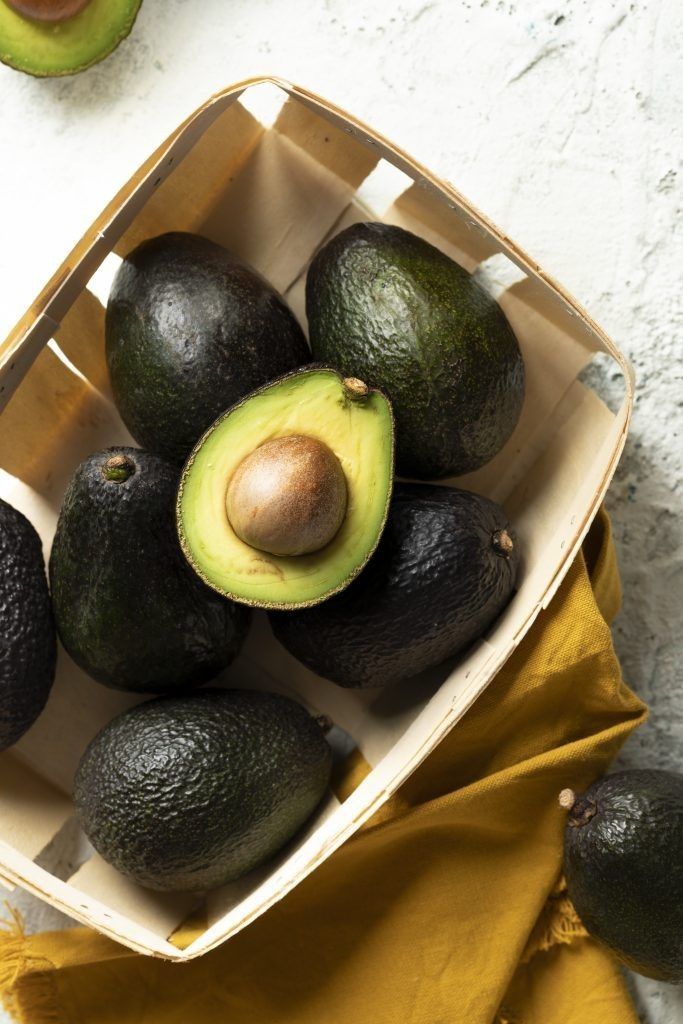
Part 3: The Green Gold — A Nutritional Powerhouse
The Avocado is famous not just for its velvety taste but for its exceptional nutrient profile. This so-called “green gold” is a treasure chest of vitamins, minerals, and heart-healthy fats.
Healthy Fats: The star component of this fruit is its monounsaturated fat, primarily oleic acid—the same heart-friendly compound found in olive oil. These fats help reduce bad LDL cholesterol while boosting good HDL cholesterol, promoting cardiovascular health. They also make the fruit satisfying and filling, supporting balanced diets and healthy weight management.
Fiber: A single serving contains an impressive amount of dietary fiber, aiding digestion and supporting gut health. It helps stabilize blood sugar levels and promotes a feeling of fullness after meals.
Vitamins and Minerals: This creamy berry offers vitamins K, E, C, and several B vitamins, including folate, which is essential during pregnancy. It also contains more potassium than a banana, supporting muscle and nerve function.
Antioxidants: Compounds like lutein and zeaxanthin protect the eyes from age-related damage, while other antioxidants fight cellular stress.
Nutrient-dense and energy-sustaining, the Avocado stands as one of nature’s most complete foods.
Part 4: Culinary Versatility — Beyond the Guacamole
While guacamole remains its most iconic form, the Avocado is endlessly versatile. Its buttery texture and mild flavor lend themselves beautifully to countless dishes.
The Classic: Guacamole itself celebrates simplicity—ripe fruit, lime juice, cilantro, onion, and salt, blended into a creamy dip.
The Icon: Avocado toast has become a modern cultural symbol, uniting nutrition and style. Topped with eggs, chili flakes, or cheese, it’s both comforting and elevated.
Salads and Bowls: Adding slices of this green treasure to a salad or grain bowl adds a luscious, satisfying element.
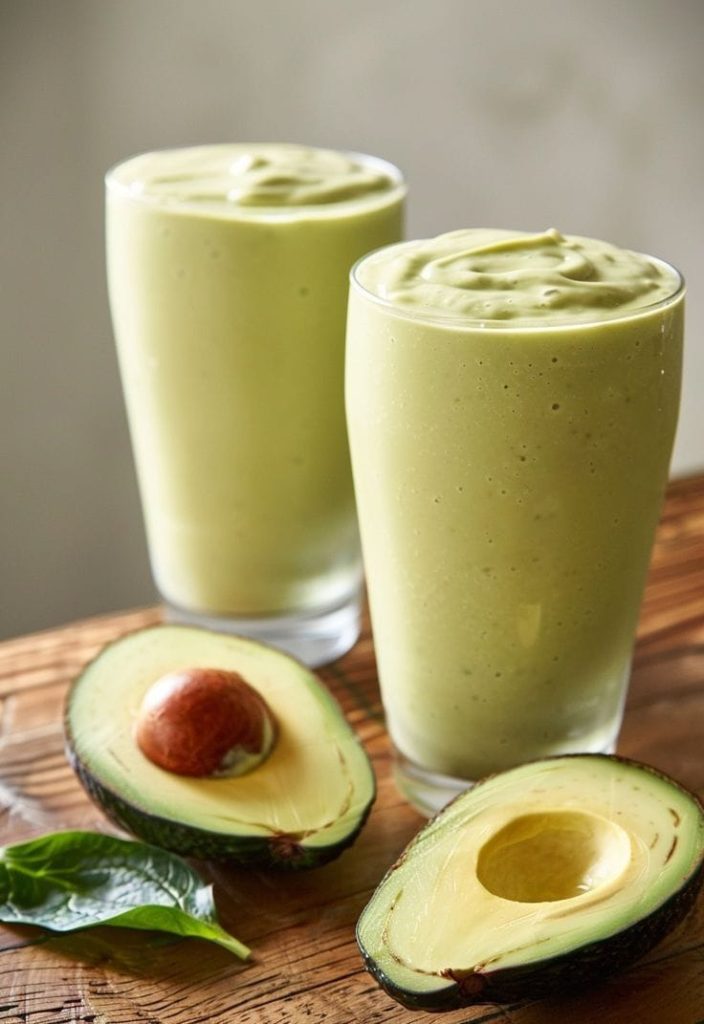
Smoothies: Replacing a banana with a quarter of this fruit creates a thick, silky texture with less sugar and more nutrients.
Desserts: In desserts, its mild flavor and richness allow it to mimic dairy. Chocolate mousse, ice cream, and brownies made with it are indulgent yet wholesome.
Mashed or pureed, it can even substitute for butter in baking or act as a creamy base for sauces and dressings. The Avocado transcends cultural and culinary boundaries with ease.
Part 5: The Global Phenomenon and Its Shadows
The rise of the Avocado has transformed it into a multi-billion-dollar global industry. Demand has exploded in the last few decades, especially in North America and Europe, driving production in Mexico, Peru, Colombia, and beyond.
However, this boom has come with serious side effects. The immense water requirements of large orchards have contributed to water shortages and deforestation. In Mexico, entire forests have been cleared to make room for plantations. The industry’s profitability has even attracted criminal groups that extort farmers, giving rise to the term “blood avocados.”
These issues remind consumers that every purchase has an impact. Supporting sustainable farms and fair-trade suppliers helps ensure that this beloved fruit remains a source of nourishment, not exploitation.
Despite the shadows, the Avocado continues to symbolize health and prosperity worldwide.
Part 6: Your Guide to the Perfect Avocado

Choosing, ripening, and storing the Avocado properly can make all the difference.
Choosing: A ripe one yields gently to pressure near the stem. If it feels too firm, it needs more time; if it’s overly soft, it’s past its peak. You can test ripeness by removing the small stem nub—bright green beneath means perfect timing.
Ripening: To ripen one faster, place it in a brown paper bag with a banana or apple. These fruits emit ethylene gas that accelerates the process naturally.
Storing: To prevent browning after cutting, sprinkle lemon or lime juice on the exposed flesh, then wrap tightly or seal in a container. The acidity slows oxidation.
Cutting and Pitting: Slice lengthwise around the pit, twist the halves, and gently remove the seed with a knife or spoon.
Handled with care, this fruit stays creamy and delicious for days.
Conclusion: A Legacy of Flavor and Nutrition
From its ancient roots in Mesoamerica to its place on modern plates, the Avocado embodies a blend of history, culture, and nourishment. Its smooth texture and healthful fats have turned it into an icon of wellness and modern cuisine alike.
Yet, its journey reminds us that every food we love has a story—one that ties together environment, people, and tradition. By enjoying this green treasure responsibly and supporting sustainable sources, we can ensure that the Avocado remains a symbol of balance—between taste and ethics, indulgence and mindfulness.
The world’s affection for this remarkable fruit shows no signs of fading. Indeed, the reign of the Avocado—the true green gold—is far from over.
visit sitehttps://www.instagram.com/
Related Posts

vampires and feminists
Vampires & Feminists: A Sarcastically Serious Examination of Two Powerful,…

The ethical implication of AI in healthcare
ai in healthcare": The Algorithmic Oath: Ethics and Responsibility in…
