
Of all the culinary creations that speak the language of comfort, few resonate as deeply as Dal Dhokli. This quintessential Indian dish, a symphony of textures and flavors, is more than just a meal; it’s a hug in a bowl, a taste of home, and a testament to the ingenuity of traditional cooking. A one-pot wonder that seamlessly combines the hearty goodness of a lentil stew with the satisfying bite of whole wheat dumplings, Dal Dhokli is a beloved staple in homes across Western India, particularly in the states of Gujarat and Rajasthan.
dal dhokli-
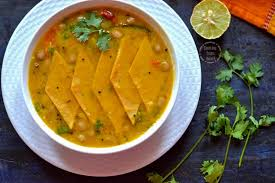
Dal Dhokli: The Comfort Food of India
Introduction
Dal Dhokli is a traditional Indian dish loved for its simplicity, taste, and nutritional value. It is a wholesome one-pot meal made of lentils (dal) and wheat flour dumplings (dhokli), cooked together in a flavorful, spiced broth.
The dish has a rich history, with variations found across India, especially in states like Gujarat, Maharashtra, and Rajasthan. Each region adds its own touch, whether it’s spices, tempering, or the type of dal used.
Dal Dhokli is often considered comfort food, served in homes during family gatherings, festivals, and even everyday meals. Its combination of protein-rich lentils and energy-giving wheat dumplings makes it a complete and satisfying meal.
History and Origin
Dal Dhokli is believed to have originated in Gujarat, where it was a staple in vegetarian households. It was a convenient, nutritious dish for long working hours and travel.
The dish combines two elements: the lentil soup, which has been a staple in Indian cuisine for thousands of years, and the wheat dough dumplings, which likely evolved from flatbreads like roti or chapati.
Over time, Dal Dhokli spread to neighboring states like Maharashtra and Rajasthan. Each state adapted the recipe based on local ingredients and taste preferences.
Today, it is enjoyed across India and even internationally in Indian restaurants and homes.
Ingredients of Dal Dhokli
Dal Dhokli is simple yet flavorful. The primary ingredients include:
- Dal (Lentils): Usually toor dal (pigeon peas), moong dal, or masoor dal are used. Lentils provide protein, fiber, and essential nutrients.
- Wheat Flour: Used to make the dhokli (dumplings), providing carbohydrates and texture.
- Spices: Turmeric, red chili powder, coriander powder, cumin seeds, and asafoetida are common.
- Tamarind: Adds tanginess to the dal, balancing the flavors.
- Oil or Ghee: For tempering and flavor.
- Optional Ingredients: Curry leaves, jaggery, ginger, green chilies, garlic, and fresh coriander leaves for garnish.
The ingredients are simple, but their combination creates a dish with layers of flavor: sweet, tangy, savory, and mildly spicy.
Making Dal Dhokli: Step-by-Step
1. Preparing the Dal
Start by washing and soaking the dal. Soaking reduces cooking time and improves digestibility.
Cook the dal with water, turmeric, and salt until soft. Pressure cooking is a common method for faster cooking.
Once cooked, mash the dal lightly to give it a smoother consistency.
2. Making the Dhokli (Dumplings)
Mix wheat flour with a pinch of salt, turmeric, and a small amount of oil or ghee. Add water gradually to form a soft, pliable dough.
Roll the dough into thin sheets and cut into diamond or square-shaped pieces. Traditionally, these pieces are hand-cut to rustic perfection.
Some variations include adding spices or finely chopped fenugreek leaves to the dough for extra flavor.
3. Tempering and Seasoning
Heat oil or ghee in a pan. Add cumin seeds, mustard seeds, and asafoetida. Optional additions include curry leaves, green chilies, or chopped garlic.
Pour this tempering into the cooked dal to infuse it with flavor.
Tamarind paste or pulp is added at this stage to give the dal a tangy taste. Some recipes also include jaggery to balance the sourness.
4. Cooking the Dal and Dhokli Together
Bring the tempered dal to a boil. Add the dhokli pieces gradually, stirring to prevent sticking.
Simmer on low heat until the dhokli is cooked. The dumplings absorb the flavors of the dal, making each bite flavorful.
Check for consistency. The final dish should be slightly thick but not too watery.
5. Garnishing and Serving
Garnish with fresh coriander leaves before serving. A dollop of ghee on top enhances flavor.
Dal Dhokli is traditionally served hot, often with a side of pickle or salad.
Variations of Dal Dhokli
Dal Dhokli has many regional and modern variations:
- Gujarati Dal Dhokli: Sweet, tangy, and mildly spiced. Often includes jaggery and tamarind.
- Maharashtrian Dal Dhokli: Slightly spicier, with garlic and green chili. Tamarind is used for tanginess.
- Rajasthani Dal Dhokli: Heavier, often with more spices and ghee for a richer taste.
- Healthy Variations: Use whole wheat flour or millet for dhokli, moong dal for lighter digestion, and less oil or ghee.
Each variation reflects local taste preferences and ingredient availability.
Nutritional Benefits
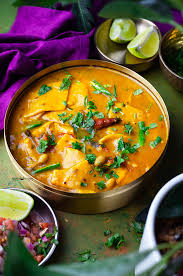
Dal Dhokli is a balanced meal:
- Protein: Lentils provide essential protein, especially important for vegetarians.
- Carbohydrates: Wheat dumplings give energy and satiety.
- Vitamins and Minerals: Spices, tamarind, and herbs add antioxidants, iron, and vitamin C.
- Fiber: Lentils and wheat promote digestive health.
It is naturally gluten-containing due to wheat, but gluten-free versions can be made using millet or rice flour.
Dal Dhokli as Comfort Food
it is more than just a meal—it’s comfort food.
It warms the body, soothes the soul, and is easy to digest. Many Indian families associate it with childhood memories, festivals, and rainy days.
Its one-pot preparation makes it ideal for family meals, especially in busy households.
Serving Suggestions
Dal Dhokli can be served in multiple ways:
- Traditional: With a dollop of ghee and fresh coriander.
- With Rice: Though it’s a complete meal, some like it with steamed rice.
- Accompaniments: Pickles, papad, or yogurt complement the flavors.
- Street Style: Sometimes garnished with sev (crispy chickpea noodles) for texture.
It can be eaten for lunch, dinner, or even a hearty breakfast in some regions.
Dal Dhokli in Modern Cuisine
Modern chefs have adapted dal dhokli to contemporary tastes:
- Using baked or air-fried dhokli instead of boiled for texture.
- Adding vegetables like carrots, beans, or spinach for added nutrition.
- Experimenting with lentils like masoor, chana, or moong for different flavors.
Fusion recipes sometimes include a creamy twist or serve dal dhokli as a soup.
Tips for Perfect Dal Dhokli
- Use fresh lentils for the best flavor and texture.
- Don’t overcook dhokli; it can turn mushy.
- Adjust tamarind and jaggery balance for sweet-sour taste.
- Tempering spices in hot oil enhances aroma.
- Serve immediately; it tastes best when fresh.
Following these tips ensures a restaurant-quality dal dhokli at home.
Cultural Significance
Dal Dhokli is not just food; it’s a part of Indian heritage.
In Gujarat and Maharashtra, it is often made during festivals and family gatherings. Its preparation and sharing reflect hospitality, tradition, and regional pride.
It represents the ingenuity of Indian cuisine—simple ingredients transformed into a wholesome, flavorful dish.
Dal Dhokli vs Other Indian Lentil Dishes
Dal dhokli differs from other dal dishes in the following ways:
- With Dhokli: The addition of wheat dumplings makes it a one-pot meal.
- Flavor Profile: Tangy and sometimes sweet, unlike plain dals.
- Cooking Method: The dumplings are cooked within the dal, unlike separate roti or paratha.
This combination of textures and flavors makes it unique among Indian lentil dishes.
Popular Dal Dhokli Recipes Online
Many Indian chefs and food bloggers share unique recipes:
- Classic Gujarati with jaggery and tamarind.
- Spicy Maharashtrian with garlic and chili.
- Healthy Moong with minimal oil.
- Rajasthani Style with ghee and aromatic spices.
Experimenting with recipes allows you to customize according to taste and dietary needs.
Dal Dhokli for Every Season
Dal Dhokli is versatile:
- Monsoon: A warm, hearty bowl feels comforting.
- Winter: The spiced, hot dal is perfect for cold evenings.
- Summer: A lighter version with less ghee can be enjoyed.
Its adaptability makes it a year-round favorite in many Indian homes.
Healthier Adaptations
For those health-conscious:
- Use whole wheat or millet flour for dhokli.
- Reduce oil or ghee in tempering.
- Add vegetables for fiber and vitamins.
- Use less jaggery to reduce sugar content.
Even with adaptations, dal dhokli retains its taste and essence.
Serving Dal Dhokli at Events
it is great for parties and family gatherings:
- Easy to cook in large quantities.
- Can be kept warm in a slow cooker or hot pot.
- Appeals to vegetarians and children.
Its wholesome nature makes it a crowd-pleaser.
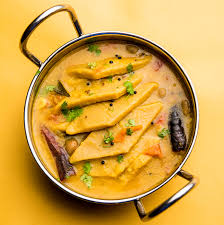
Dal Dhokli and Indian Food Culture
it exemplifies the essence of Indian home cooking:
- One-pot meals that are nutritious and flavorful.
- Use of locally available ingredients.
- Balance of taste: sweet, sour, and spicy in one dish.
It shows how Indian cuisine values simplicity, nutrition, and community.
Conclusion
Dal Dhokli is more than a dish—it is history, culture, and comfort on a plate.
Its simplicity, nutritional value, and delicious taste make it a timeless favorite.
From Gujarati homes to Maharashtrian kitchens, dal dhokli brings families together over a shared love for food.
Whether served traditionally or with modern twists, dal dhokli remains a quintessential Indian comfort meal.
If you haven’t tried making it yet, today is the perfect day to bring this warm, flavorful dish to your table.
visit sitehttps://www.instagram.com/


