he Great Biryani: A Saga of Royalty, Culture, and the Quest for Perfection
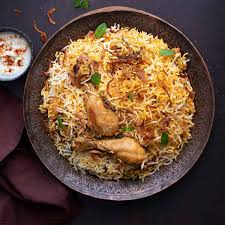
There are dishes that merely satisfy hunger, and then there are dishes that tell a story. Biryani is not just food; it is a grand narrative, a sweeping epic told through layers of fragrant Basmati rice, succulent meat, and an intoxicating blend of spices. It is a dish that carries the weight of history, the pride of a culture, and the soul of a nation. To taste biryani is to take a journey through time, to sit at the table of Mughal emperors, to wander the bustling streets of ancient Hyderabad, and to feel the warmth of a thousand celebrations.
biryani-
Biryani is often called the “king of all rice dishes,” a title it has earned through its complexity, its rich flavors, and its unparalleled status as a symbol of hospitality and festivity across the Indian subcontinent and beyond. But its journey from a humble military ration to a royal delicacy, and then to a global phenomenon, is a tale as layered and captivating as the dish itself. This blog post is a tribute to that journey—a deep dive into the origin, history, and cultural significance of biryani, culminating in a detailed, authentic recipe that will allow you to create this culinary masterpiece in your own kitchen.
A Royal Pedigree: The History of Biryani
The exact origin of biryani is a matter of passionate debate, with multiple theories vying for the title of the dish’s true birthplace. However, most culinary historians agree on a few key points: its roots are inextricably linked to Persia, and its ultimate refinement was the work of the Mughal Empire.
The word biryani is believed to be derived from the Persian word “birian,” which means “fried before cooking.” This points to a preparation method where the rice was lightly fried in ghee before being boiled, a technique that enhances its texture and aroma. The dish’s origins can also be traced to the Persian pulao, a simple dish of rice and meat cooked together. While pulao and biryani are often confused, biryani is distinguished by its more complex layering technique, its richer spice profile, and the separate preparation of its core components—the meat and the rice—before their final dum cooking.
The Mughal Connection: From Army Rations to Imperial Cuisine
The most widely accepted theory attributes the dish’s true sophistication to the Mughal rulers who came to India from Persia in the 16th century. The Mughals were renowned for their love of art, architecture, and, most famously, their highly refined and elaborate cuisine. It was in their royal kitchens that the humble biryani was transformed into a culinary masterpiece.
One popular legend credits the creation of biryani to Mumtaz Mahal, the queen for whom the Taj Mahal was built. According to the story, she once visited army barracks and was dismayed to see her soldiers looking malnourished. To provide them with a balanced and hearty meal, she instructed the royal chefs to create a dish with meat, rice, and spices cooked together. This practical, one-pot dish was meant to be nutritious and easy to prepare on the battlefield. Whether this specific legend is true or not, it speaks to the dish’s foundational role as a complete and sustaining meal.
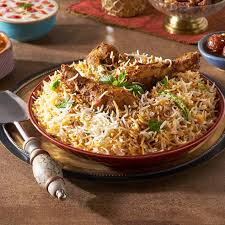
Under the patronage of the Mughal emperors, biryani evolved from a simple troop meal into a dish fit for royalty. Chefs began to experiment with a wider array of spices, from fragrant saffron and cardamom to earthy cinnamon and cloves. They added new techniques, such as dum pukht (slow oven cooking), which allowed the flavors of the meat and spices to tenderly infuse the rice, creating a symphony of aromas and tastes that were both complex and harmonious. The dish became a centerpiece of royal feasts, a symbol of the empire’s power, wealth, and sophisticated palate.
As the Mughal Empire expanded and its influence waned, its culinary traditions spread across the Indian subcontinent. The nawabs, sultans, and royal courts of various regional states adopted and adapted biryani, each infusing it with local ingredients and unique cooking methods. This marked the beginning of biryani’s true diversification, as it evolved from a single imperial dish into a myriad of distinct, regional masterpieces.
The Soul of a Nation: Biryani’s Cultural Status
Biryani is more than just a dish; it is a cultural icon. Its status in the Indian subcontinent is unmatched, earning it the moniker of the “king of dishes” or the “maharaja of meals.” Its presence on a table signifies something special, a moment of celebration, a gesture of hospitality that transcends language and social barriers.
A Symbol of Celebration and Hospitality
In India, Pakistan, and Bangladesh, biryani is synonymous with celebration. It is the star of the show at weddings, Eid festivals, and family gatherings. No major occasion is complete without a massive pot of biryani, served to a large group of friends and family. This tradition is not just about the food itself but about the act of sharing. The communal experience of gathering around a table laden with biryani fosters a sense of unity, joy, and togetherness. It is a dish that represents generosity and the desire to give the very best to one’s guests.
A Unifying Force in a Diverse Land
While regional biryanis may differ wildly in flavor and technique, the shared love for the dish acts as a unifying force. A person from the north can travel to the south and find a completely different version of biryani, yet the emotional connection to the name remains the same. The dish represents a shared culinary heritage, a testament to the subcontinent’s rich history of cultural exchange and adaptation. It is a universal language of flavor, understood and loved by all.
This cultural status has extended far beyond the subcontinent’s borders. As a globalized world embraces the rich tapestry of Indian cuisine, biryani has emerged as a beloved dish in the Middle East, Southeast Asia, and Western countries. It has become a staple in restaurants and a popular comfort food for millions, a culinary ambassador for a culture that has mastered the art of flavor.
A Symphony of Flavors: Regional Biryanis
Biryani’s journey from a single recipe to a countless number of variations is what makes it so fascinating. Each regional version is a unique expression of its local culture, history, and ingredients. Here are some of the most famous regional biryanis, each a world unto itself.
1. Hyderabadi Biryani: The Royal Standard
Hyderabadi Biryani is perhaps the most famous and widely emulated version of the dish. It is a direct descendant of the biryani brought by the Mughals to the Deccan region. Its defining characteristic is the kacchi method, where raw, marinated meat is layered at the bottom of a pot, topped with partially cooked Basmati rice, and then slow-cooked together.
The flavor profile is a complex dance between spicy and fragrant. The meat marinade is a potent mix of yogurt, fried onions, mint, coriander, and a secret blend of spices. The rice is flavored with whole spices like cardamom, cloves, and cinnamon, and the final dish is finished with a generous amount of saffron and more fried onions, creating a rich, aromatic, and fiery experience that is truly unforgettable.
2. Lucknowi (Awadhi) Biryani: The Subtle Masterpiece
In stark contrast to its Hyderabadi counterpart, Lucknowi Biryani is a study in subtlety and refinement. It is the official dish of the Nawabs of Awadh, who ruled from Lucknow. This version is known for its delicate and perfumed flavor profile, achieved through the dum pukht technique in its purest form.
The meat and rice are cooked separately before being layered. The meat, or yakhni, is tenderized for hours in a broth flavored with rose water, kewra (pandanus water), and a very precise, light spice blend. The rice is cooked until it is almost done, then layered with the meat and broth, and the pot is sealed. The final slow-cooking allows the delicate aromas to infuse the rice without overpowering it. The result is a fragrant, melt-in-your-mouth biryani that is a testament to the sophisticated culinary traditions of the Awadhi court.
3. Kolkata Biryani: The Potato Revolution
The story of Kolkata Biryani is a tale of exile and adaptation. When the last Nawab of Awadh, Wajid Ali Shah, was exiled to Kolkata by the British in 1856, he brought his chefs and his love for the Awadhi biryani with him. However, with limited funds, the chefs had to get creative. They began to add potatoes and boiled eggs to the biryani to stretch the meat and make the dish more filling.
This simple substitution became a beloved, defining characteristic. Kolkata biryani is less spicy and oily than many of its counterparts, with a delicate aroma and the unique sweetness of the potato. It is a comforting and humble version that tells a story of both imperial grandeur and the resilience of a people.
4. Malabar (Kerala) Biryani: A Coastal Delight
The biryanis from the Malabar region of Kerala in southern India are a world away from the northern versions. They are a testament to the region’s unique climate, coastal trade, and rich spice history. Malabar Biryani often uses a different type of rice, a short-grain variety called Kaima or Jeerakasala, which gives it a distinct texture and nutty flavor.
The meat is often pan-fried with a mix of local spices before being layered with the rice. The flavor profile is a unique blend of coastal spices, with a generous use of coconut, cashews, and raisins, which give the dish a savory-sweet undertone. Seafood versions, using prawns or fish, are also incredibly popular, reflecting the region’s proximity to the sea.

5. Sindhi Biryani: The Flavor Bomb
From the Sindh region of Pakistan, Sindhi Biryani is known for its bold, spicy, and tangy flavors. It uses a generous amount of tomatoes, green chilies, and a mix of herbs like mint and coriander to create a powerful and robust flavor profile. It often includes potatoes and is celebrated for its highly aromatic spices and the tangy flavor of plums. Unlike the subtle Awadhi version, Sindhi biryani is meant to be a flavor explosion—a bold and assertive dish that is a favorite across Pakistan.
The Art of Layering: A Biryani Recipe (Hyderabadi Kacchi Biryani)
Creating a perfect biryani is a journey, not just a recipe. It requires patience, attention to detail, and a reverence for the process. This recipe for Hyderabadi Kacchi Biryani is an ode to that process, focusing on the careful layering and slow-cooking that give the dish its magic.
The Philosophy of Dum Pukht
The soul of this biryani lies in the dum pukht cooking method. Dum means “to breathe,” and pukht means “to cook.” The raw, marinated meat and partially cooked rice are layered in a heavy-bottomed pot, which is then sealed tightly with a dough ring. The pot is cooked over low heat, allowing the steam to circulate within, gently cooking the meat and rice while infusing every grain with the deep, complex flavors of the spices. This is an act of culinary faith—trusting that time and heat will transform simple ingredients into a masterpiece.
Ingredients:
For the Meat Marinade (for 1 kg meat, bone-in chicken or mutton):
- 1 kg bone-in chicken or mutton pieces
- 1.5 cups plain yogurt
- 2 large onions, thinly sliced and fried until crispy (birista)
- 1 cup fresh mint leaves, chopped
- 1 cup fresh coriander leaves, chopped
- 1/4 cup ginger paste
- 1/4 cup garlic paste
- 4-5 green chilies, minced (adjust to taste)
- 2 tbsp red chili powder
- 1 tbsp turmeric powder
- 1 tbsp garam masala
- 2 tsp biryani masala (a specific blend, store-bought or homemade)
- 1 tsp black pepper powder
- Juice of 1 lemon
- Salt to taste
- 1/4 cup oil or ghee
For the Rice (for 1 kg Basmati rice):
- 1 kg aged Basmati rice
- Water to boil
- Salt to taste
- 3-4 bay leaves
- 3-4 green cardamom pods
- 2-3 cinnamon sticks
- 5-6 cloves
- 1 tsp cumin seeds
- 2 tbsp oil or ghee
For the Final Layering and Dum Cooking:
- 1/2 cup warm milk
- A generous pinch of saffron threads, soaked in the milk
- 1/4 cup ghee, melted
- 1/2 cup fried onions (birista)
- A handful of fresh mint and coriander leaves
- Dough for sealing the pot (made from flour and water)
Step-by-Step Method:
Step 1: The Meat Marinade (The Soul of the Biryani)
- In a large bowl, combine the yogurt, fried onions, mint, coriander, ginger-garlic paste, and all the powdered spices (red chili, turmeric, garam masala, biryani masala, black pepper, and salt).
- Add the lemon juice, oil, and minced green chilies. Mix everything thoroughly to form a thick marinade.
- Add the meat pieces to the marinade and coat them completely. Cover the bowl and let it marinate for at least 4-6 hours, or ideally overnight, in the refrigerator. This is the most crucial step for a tender, flavorful biryani.
Step 2: The Rice (The Heart of the Dish)
- Wash the Basmati rice thoroughly and soak it in water for at least 30 minutes. This helps the grains cook evenly and become long and fluffy.
- In a large pot, bring a generous amount of water to a rolling boil. Add salt and the whole spices (bay leaves, cinnamon, cardamom, cloves, and cumin seeds).
- Drain the soaked rice and add it to the boiling water. Cook the rice until it is 70% cooked. The grains should be pliable but still firm in the center. This will take about 5-7 minutes.
- Immediately drain the rice through a colander. Discard the whole spices.

Step 3: The Art of Layering (The Dum Process)
- Take a heavy-bottomed pot (a Dutch oven or a traditional handi is ideal). Spread the marinated raw meat evenly at the bottom of the pot.
- Gently layer the partially cooked rice over the meat. Do not press down on the rice.
- Sprinkle the remaining fried onions, fresh mint, and coriander leaves over the rice.
- Drizzle the saffron-infused milk and the melted ghee evenly over the top layer of rice.
Step 4: Sealing the Pot (Dum Pukht)
- Make a soft dough by mixing flour and water. Form it into a thick rope and place it around the rim of the pot.
- Place the lid on top and press it down firmly to create an airtight seal. This is essential to trap the steam and aromas inside the pot.
Step 5: The Final Cooking
- Place the sealed pot on a high flame for the first 5-7 minutes to get the steam going. You will hear the gentle sizzling sound of the meat cooking at the bottom.
- Reduce the heat to the lowest possible setting. You can place a griddle (tawa) underneath the pot to distribute the heat evenly and prevent the bottom layer from burning.
- Let the biryani cook on this low heat for about 30-45 minutes. The sealed environment will allow the flavors of the meat and spices to perfectly infuse the rice.
- After 30-45 minutes, turn off the heat but do not open the pot. Let it rest for another 15-20 minutes. This resting period is crucial for the final melding of flavors.
Step 6: Serving
- Carefully break the dough seal and lift the lid. A magnificent cloud of aroma will fill the room.
- Using a large spatula, gently mix the biryani from the bottom, ensuring that the meat, rice, and spices are mixed together.
- Serve hot with a side of raita (yogurt with chopped onions and cucumber) or a simple salad.
Conclusion: More Than Just a Meal
Biryani is not just a dish to be eaten; it is a story to be experienced. From the ancient Persian pulao to the royal kitchens of the Mughals and the diverse regional variations that have captivated millions, biryani’s journey is a testament to the power of food as a cultural ambassador. It is a dish that embodies the values of patience, generosity, and community.
In a world that often rushes, biryani reminds us to slow down, to appreciate the layers of flavor and history that have gone into its creation. It is a meal that invites us to gather, to celebrate, and to connect with one another. When you prepare this dish, you are not just cooking; you are participating in a timeless tradition, creating a piece of history and bringing a little bit of magic to your own table.
visit site https://www.instagram.com/
Related Posts