
clothing-
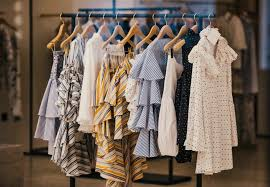
Clothing, a universal necessity, is at the heart of three distinct, yet interconnected, contemporary conversations: sustainability, style, and practicality. Whether you’re a conscious consumer looking to build an ethical wardrobe, a trendsetter seeking the next big thing, or someone simply trying to stay dry and stylish during the rainy season, understanding the fabrics and brands behind your clothes is key.
The Style Revolution: Top Sustainable Fashion Brands to Look Out for in 2025
The fashion industry is undergoing a seismic shift, with consumers demanding more than just style. The focus is now on sustainable clothing, a holistic approach that considers a garment’s entire lifecycle. In 2025, the brands leading this movement are those committed to transparency, ethical labor, and innovative materials.
Pioneers of Purpose
These are the brands that have long been at the forefront of the sustainable movement, setting a high bar for the entire industry.
- Patagonia: A true legend in ethical outdoor wear, Patagonia’s commitment is woven into its business model. They use recycled materials, ensure fair labor practices, and even offer a “Worn Wear” program for repairs and recycling, proving that durability and circularity are powerful tools against fast fashion clothing.
- Stella McCartney: A trailblazer in luxury fashion, Stella McCartney has built her brand on a cruelty-free foundation. She famously avoids leather and fur, and in 2025, her brand continues to innovate with cutting-edge materials like mushroom-based leather (Mylo™) and regenerative wool.
- Eileen Fisher: Synonymous with timeless design and a deep commitment to sustainability, Eileen Fisher’s philosophy is “less is more.” Their “Renew” program allows customers to return used garments to be resold or remade, creating a powerful closed-loop system that keeps clothes out of landfills.
The Material Revolutionaries
These brands are not just making clothes; they are inventing a better, more eco-friendly way to produce clothing.
- PANGAIA: This brand is more of a materials science company on a mission. They are known for developing and using groundbreaking fabrics like FLWRDWN™ (a down-alternative made from wildflowers) and plant-based denim. Their approach is unapologetically science-first, with every detail, from the dyes to the packaging, designed for minimal environmental impact.
- Girlfriend Collective: This brand has transformed the activewear industry by creating high-quality leggings and workout gear from recycled plastic bottles and fishing nets. They are champions of transparency, providing a detailed breakdown of their ethical manufacturing processes.
Ethical and Accessible
For many, building a sustainable wardrobe needs to be accessible. These brands are making it easier for everyone to make conscious clothing choices.
- Pact: Known for affordable, GOTS-certified organic cotton basics, Pact is a go-to for everyday wear. They focus on using organic materials, reducing water consumption, and offering carbon-offset shipping to make ethical fashion an everyday reality.
- Kotn: This brand creates ethically-made, high-quality clothing from Egyptian cotton. They are committed to fair labor practices and have invested in their supply chain to ensure every person involved in production is treated fairly.
Beyond the Basics: Decoding Eco-Friendly Fabrics
What makes a fabric “eco-friendly” goes beyond a simple label. It’s about its entire lifecycle, from how it’s grown to how it breaks down. Understanding the nuances of different materials is key to making truly sustainable choices.
Cotton: The Eco-Friendly Upgrade
Conventional cotton is one of the most resource-intensive crops, but organic cotton is a completely different story. Grown without toxic pesticides, synthetic fertilizers, or GMO seeds, it reduces the chemical footprint and improves soil health.
- Pros: Organic cotton protects ecosystems, improves soil fertility, and is fully biodegradable clothing.
- Cons: It still requires a significant amount of water, though less than conventional cotton.
Bamboo: The Regenerative Contender
Bamboo is celebrated for its rapid growth and minimal need for water or pesticides. However, the fabric’s eco-friendliness depends entirely on how it’s processed.
- Bamboo Linen: This is the most sustainable form, made through a low-impact mechanical process similar to linen production.
- Bamboo Viscose/Rayon: This more common form is created using a chemical-intensive process. It’s important to look for brands that use a closed-loop lyocell process which recycles the chemicals, making it a more responsible clothing choice.
Hemp: The Unsung Hero
Hemp is arguably one of the most sustainable fibers available. It requires significantly less water to grow than cotton, naturally enriches the soil, and is incredibly durable.
- Pros: It uses minimal water and land, improves soil health, and is one of the strongest and most durable natural fibers, meaning garments last for years. It’s also naturally anti-microbial and softens with age.
- Cons: It can feel coarse at first and is prone to wrinkling.
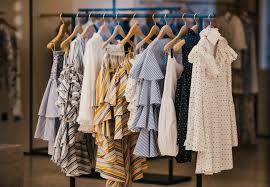
A Stylish Shield: Your Monsoon Fashion Guide
The monsoon season can be a style challenge, but with the right fabric and color choices, you can stay chic and comfortable. The goal is to choose materials that are quick-drying and breathable, while avoiding those that become heavy and clingy when wet.
Fabrics That Work ☔
- Cotton: Lightweight cotton is the ultimate monsoon hero. It’s breathable, absorbent, and dries relatively quickly it provides sustainable clothing.
- Rayon: This semi-synthetic fabric feels silky and drapes beautifully. It’s breathable and doesn’t wrinkle easily when wet, making it perfect for dresses and blouses.
- Nylon and Polyester Blends: These fabrics are great for outerwear like raincoats and windbreakers because they are water-resistant and dry incredibly fast.
Fabrics to Avoid 🙅♀️
- Denim: Denim is a big no-no. It’s heavy, takes forever to dry, and can become uncomfortable and smelly.
- Silk and Satin: These delicate fabrics can be ruined by rainwater, which leaves permanent marks.
The Color Code
Embrace a vibrant color palette to counteract the gloomy weather.
- Radiant Yellows and Vibrant Oranges: These colors are cheerful and instantly brighten up a rainy day.
- Rich Jewel Tones: Deep shades like emerald green, sapphire blue, or ruby red add a touch of sophistication and are less likely to show water stains.
- Monsoon-Friendly Prints: Florals and abstract prints are excellent for camouflaging minor splashes and adding visual interest.
Related Posts

Sustainable fashion: How to build an eco-freindly wardrobe
sustainable fashion- Introduction Fashion is fun, exciting, and a powerful…

best online clothing stores for affordable fashion in 2025
online clothing stores- Best Online Clothing Stores for Affordable Fashion…

Hairstyles that will dominate in 2025 : trends you cant miss
hairstyles- Hairstyles That Will Dominate in 2025: Trends You Can’t…