corruption-
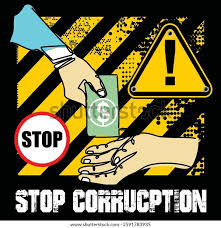
Corruption, in its simplest form, is the abuse of entrusted power for private gain. It is a form of dishonesty or a criminal offense committed by an individual or an organization in a position of authority to acquire illicit benefits. While often associated with backroom deals and political scandals, coruption is a far more pervasive and insidious force. It is the invisible tax that disproportionately affects the poor, the silent saboteur that erodes public trust, and a fundamental barrier to progress and development in societies around the world.
This blog will explore the multifaceted nature of coruption, its various forms, the devastating causes and effects it has on nations and their people, and the ongoing global efforts to combat this universal menace and how its a cancer to society.
The Faces of Corruption: From Petty Bribes to Grand Schemes

Corruption is not a monolithic concept. It manifests in a spectrum of forms, ranging from minor, everyday transgressions to large-scale, systemic malfeasance. Understanding these different types is crucial to comprehending the scope of the problem.
- Petty Corruption: This is the most common and visible form of corruption, occurring at a small scale in daily interactions between the public and public officials. It includes things like paying a small bribe to a traffic officer to avoid a ticket, a “grease payment” to a civil servant to expedite a permit, or a small gift to a doctor to get a faster appointment. While the individual amounts may be small, the cumulative effect is devastating, as it normalizes corrupt behavior and erodes public trust in institutions.
- Grand Corruption: This form of corruption involves high-level government officials, powerful corporations, and large sums of money. It is often less frequent but far more damaging. Examples include bribery to secure multi-million dollar government contracts, embezzlement of public funds for personal use, or the use of political influence to gain unfair advantages. Grand corruption distorts markets, drains public resources, and can even lead to political instability.
- Systemic Corruption: This is the most deeply entrenched and difficult form of corruption to combat. It is when corruption is not an exception but the norm, woven into the very fabric of an institution or an entire political system. In such systems, corrupt practices are a part of the informal rules of the game. For instance, in a systemically corrupt environment, an official may have to pay bribes just to keep their job, creating a vicious cycle that is almost impossible to break without fundamental institutional reform.
- Other Forms: Corruption also encompasses practices like nepotism (favoring family members), cronyism (favoring friends), extortion (using power to demand illegal payments), and clientelism (the exchange of goods and services for political support). These actions undermine the principles of meritocracy and equal opportunity, creating a society where success is determined by connections rather than talent.
The Roots of the Rot: Why Corruption Takes Hold
Coruption is not a random phenomenon. It thrives in environments where certain conditions are present. The causes are often a complex mix of political, economic, and social factors.

- Weak Governance and Lack of Transparency: When government institutions are fragile, with little to no checks and balances, coruption can flourish. A lack of transparency in government processes—such as public procurement, financial reporting, and policy-making—creates a breeding ground for illicit deals and private gain.
- Low Public Sector Wages: In many developing nations, public officials are severely underpaid. This economic pressure can incentivize bribery and other forms of coruption as a means of survival or to supplement a meager income. The temptation to abuse power for financial gain becomes a harsh reality for those struggling to make ends meet.
- Lack of Accountability and Impunity: When corrupt officials are not held accountable for their actions, it creates a culture of impunity. If there is a low risk of being caught and punished, the incentive to engage in corrupt behavior increases. A weak judicial system, political interference in law enforcement, and a lack of whistleblower protection all contribute to this problem.
- Cultural and Social Norms: In some societies, practices like gift-giving to officials or favoring family and friends are deeply ingrained cultural norms. While not all such practices are corrupt, they can blur the lines and create a permissive environment where corrupt behavior is seen as acceptable or even expected.
- Monopolistic and Discretionary Power: According to the “corruption formula” developed by economist Robert Klitgaard, corruption is a function of monopoly power plus discretion minus accountability. When a public official has a monopoly on a service or has significant discretionary power without effective oversight, the risk of corruption skyrockets.
The Devastating Impact: More Than Just Money
The consequences of corruption are far-reaching, affecting every aspect of a country’s development and the daily lives of its citizens.
- Economic Consequences: Corruption acts as a regressive tax, diverting public funds from essential services like healthcare, education, and infrastructure into the hands of a few. It stifles economic growth, discourages foreign investment, and distorts market mechanisms by favoring cronies over merit. The World Economic Forum estimates that corruption costs the global economy an astonishing amount of money, a drain that could otherwise be used to support sustainable development and poverty alleviation.
- Social and Human Consequences: Coruption disproportionately harms the poor and marginalized. It creates inequality, as public services that should be accessible to all are instead controlled by a select few. When people have to pay bribes for basic services, it perpetuates a cycle of poverty and injustice. Furthermore, corruption erodes social cohesion and breeds cynicism, making citizens lose faith in their government and public institutions.
- Political Consequences: Corruption undermines democracy and the rule of law. It can lead to political instability, fuel political unrest, and even contribute to armed conflicts. When power is abused for private gain, it weakens democratic institutions and fosters a culture of lawlessness, making it difficult for the government to serve the public good.
The Global Fight: A United Front Against Corruption
Despite its pervasiveness, corruption is not an insurmountable problem. Around the world, a united front of governments, international organizations, and civil society is working to combat it.
- International Conventions: The United Nations Convention against Corruption (UNCAC) is a cornerstone of this effort. It is a legally binding international anti-corruption treaty that requires member states to criminalize a wide range of corrupt acts and to strengthen international cooperation.
- Promoting Transparency and Accountability: Initiatives like e-governance, which digitizes public services, reduce human interaction and the opportunities for bribery. Public-sector reforms, including independent anti-corruption bodies and the protection of whistleblowers, are also critical for holding officials accountable.
- Civil Society and Citizen Engagement: Grassroots movements and non-governmental organizations like Transparency International play a vital role in raising awareness, exposing corrupt practices, and advocating for policy change. Their annual Corruption Perceptions Index (CPI), which ranks countries based on perceived public sector corruption, is a powerful tool for holding governments accountable. The 2024 index, for example, highlighted the dangerous link between corruption and declining democracy.
- Technological Solutions: Blockchain and other emerging technologies are being explored as potential tools to create immutable, transparent records of government transactions, making it much harder for corrupt actors to operate in the shadows.
Corruption is a global problem with local consequences. While the fight against it is a long and challenging one, it is a battle worth fighting. By promoting transparency, strengthening institutions, and holding those in power accountable, we can build a more just, equitable, and prosperous future.
visit sitehttps://www.instagram.com/
Related Posts