
sustainable fashion-
Introduction
Fashion is fun, exciting, and a powerful way to express yourself—but it also comes with a hidden cost. The fashion industry is one of the largest polluters in the world, contributing to water waste, toxic chemicals, and landfill overflows due to fast fashion.
But here’s the good news: in 2025, sustainable fashion isn’t just a trend—it’s becoming a lifestyle. From eco-friendly fabrics to thrifting, people are choosing smarter ways to dress without harming the planet.

If you want to look stylish and make a difference, this guide will show you exactly how to build an eco-friendly wardrobe step by step.
🔹 What is Sustainable Fashion?
Sustainable fashion refers to clothing that is designed, produced, and consumed in ways that are environmentally friendly and socially responsible. It goes beyond just “organic fabrics”—it also includes:
Ethical working conditions for garment workers.
Reducing waste through recycling and upcycling.
Making timeless, durable clothes instead of throwaways.
Simply put: Sustainable fashion = Style with responsibility.
🔹 Why Choose Sustainable Fashion in 2025?
- Protects the Environment – Less waste, fewer toxic dyes, and reduced carbon footprint.
- Saves Money Long-Term – Investing in quality pieces lasts longer than buying cheap, short-lived clothes.
- Supports Ethical Brands – Workers are paid fairly and treated with dignity.
- Unique Style – Thrifted and vintage clothes make your wardrobe one of a kind.
- Future-Forward Mindset – Shows awareness and responsibility in a time when climate change is urgent.
🔹 Steps to Build an Eco-Friendly Wardrobe
- Start with What You Already Own
The most sustainable fashion choice? Wearing the clothes you already have. Instead of throwing things out, restyle them.

Try mixing and matching pieces in new ways.
Upcycle old clothes (turn jeans into shorts, oversized shirts into dresses).
Donate or swap clothes with friends if you’re bored of them.
👉 Rule: The greenest outfit is the one you already own.
- Choose Sustainable Fabrics
When buying new clothes, check the fabric tags. Some eco-friendly options include:
Organic Cotton – Uses less water and fewer pesticides.
Hemp – Strong, durable, and naturally anti-bacterial.
Linen – Made from flax plants; breathable and biodegradable.
Bamboo Fabric – Soft and renewable.
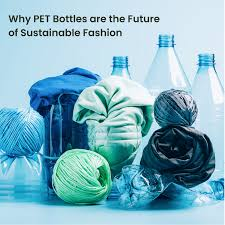
Recycled Polyester – Made from plastic bottles, reducing waste.
Avoid polyester, nylon, and acrylic unless they’re recycled.
- Buy Less, Choose Quality
Fast fashion tempts us with cheap trends, but these clothes wear out quickly. In 2025, the motto is:
Fewer, better pieces instead of overflowing wardrobes.
Invest in timeless classics—white shirts, blazers, jeans, black dresses—that never go out of style.
Shop consciously: Ask yourself, “Will I wear this 30 times?” If not, skip it.
- Thrift, Swap, and Rent Clothes
The resale and rental market is booming in 2025.
Thrifting: Check out thrift stores, flea markets, or apps like Depop, Poshmark, or OLX.
Swapping: Organize a clothes swap with friends.
Renting: Platforms like Rent the Runway let you borrow designer outfits for special occasions.
This not only saves money but also cuts down waste.
- Support Ethical and Sustainable Brands
Look for brands that prioritize eco-consciousness. Some global examples include:
Patagonia – Famous for recycling and repair programs.
Reformation – Chic dresses made sustainably.
Stella McCartney – Luxury brand committed to cruelty-free fashion.
Allbirds – Footwear made with eco-materials.
In India, brands like No Nasties, B Label, Nicobar, and Okhai are making sustainable clothing stylish.
- Go for Minimalist & Capsule Wardrobes
A capsule wardrobe is a small, curated collection of versatile pieces you can mix and match easily. This reduces the need for constant shopping while keeping you fashionable.
Example capsule:
2 jeans (blue & black)
3 tops (basic colors)
1 blazer
1 dress
2 pairs of shoes (sneakers & heels)
Result: Dozens of stylish outfits without excess.
- Care for Your Clothes Properly
The way you wash and store clothes also matters.
Wash less frequently and at lower temperatures.
Air-dry instead of tumble drying.
Repair small tears instead of discarding clothes.
Store clothes neatly to extend their life.
Sustainable fashion isn’t only about buying right—it’s about maintaining right.
🔹 Styling Ideas with Sustainable Fashion
Vintage + Modern Mix: Pair thrifted blazers with modern jeans.
Earthy Tones: Use natural color palettes like beige, olive, and white.
Statement Eco-Piece: Carry a jute or bamboo handbag as your outfit’s star accessory.
Reworked Denim: Upcycled jeans with embroidery or patches are trending.
Rent for Glamour: Instead of buying expensive gowns, rent for weddings and parties.
🔹 Conclusion
Fashion in 2025 is not just about keeping up with trends—it’s about making responsible choices. By thrifting, reusing, choosing eco-friendly fabrics, and supporting ethical brands, you can build a wardrobe that is stylish and sustainable.
Remember: every clothing choice you make has an impact on the planet. When you shop consciously, you not only look good but also do good.
So, the next time you’re tempted to buy fast fashion, pause and think: Do I really need this, or is there a better, greener option?
🔹 FAQs
Q1: What is the most sustainable fabric?
Hemp and organic cotton are considered the most sustainable due to their low water and pesticide use.
Q2: Is thrifting better than buying new?
Yes—thrifting reduces waste, saves money, and gives clothes a second life.
Q3: Are sustainable brands expensive?
Some are, but thrifting, renting, and capsule wardrobes make sustainable fashion affordable.
Q4: How do I know if a brand is ethical?
Check for certifications like Fair Trade, GOTS (Global Organic Textile Standard), and B Corp.
Q5: What’s the easiest first step toward an eco-friendly wardrobe?
Start by reusing what you already own and buying only what you truly need.
✅ That’s Fashion & Beauty Blog 2 complete (1000+ words): “Sustainable Fashion: How to Build an Eco-Friendly Wardrobe”.
visit sitehttps://www.instagram.com/
Related Posts

Hairstyles that will dominate in 2025 : trends you cant miss
hairstyles- Hairstyles That Will Dominate in 2025: Trends You Can’t…


Clothing – the style revolution
clothing- Clothing, a universal necessity, is at the heart of…