Introduction
depression-
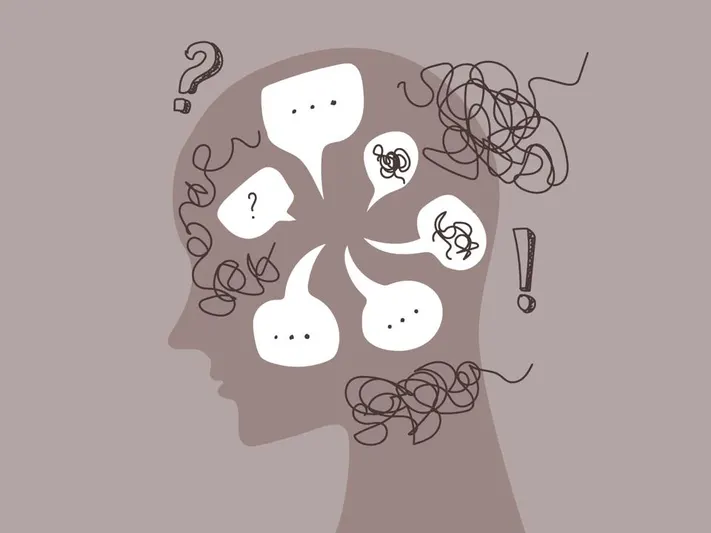
Depression is more than just feeling sad. It’s a deep, persistent state of emotional pain that can affect how you think, feel, and function in daily life. The World Health Organization (WHO) estimates that over 300 million people around the globe suffer from depression, making it one of the leading causes of disability worldwide.

Yet, despite its prevalence, depression often remains misunderstood. Many people struggling with it may hear well-meaning but unhelpful advice like “just think positive” or “snap out of it.” But depression isn’t a sign of weakness—it’s a complex mental health condition that requires care, patience, and the right strategies to heal.
The good news? Depression is treatable. With a combination of therapy, lifestyle changes, medical care, and emotional support, recovery is possible.
In this in-depth article, we’ll explore the top 10 scientifically grounded and practical tips to help you or your loved ones heal from depression and reclaim a sense of hope and purpose.
1. Understand Depression: Know What You’re Facing
The first step to healing is understanding what depression truly is.
Depression isn’t just sadness—it’s a clinical condition involving biological, psychological, and social factors. It can be triggered by life events (like loss, trauma, or chronic stress) or arise seemingly out of nowhere due to chemical or genetic factors.
Common symptoms include:
- Persistent sadness or emptiness
- Fatigue or loss of energy
- Changes in appetite or sleep
- Difficulty concentrating
- Feelings of guilt, worthlessness, or hopelessness
- Loss of interest in activities once enjoyed
- Thoughts of death or suicide
Recognizing these signs helps you take depression seriously—as you would any physical illness. It’s not your fault, and it’s not a moral failing. It’s a condition that deserves care and treatment.
Tip: Learn about depression through credible sources (like the National Institute of Mental Health or WHO). Understanding it helps reduce shame and encourages proactive recovery.
2. Reach Out for Professional Help
Depression can make you feel isolated, but you don’t have to fight it alone. Seeking professional help is one of the most important steps toward recovery.
Types of professional support include:
- Psychiatrists: Medical doctors who can diagnose depression and prescribe medication if needed.
- Psychologists or therapists: Experts who provide talk therapy (like Cognitive Behavioral Therapy or CBT).
- Counselors and social workers: Professionals who offer emotional support and practical guidance.
Therapies such as CBT, Dialectical Behavior Therapy (DBT), and Interpersonal Therapy (IPT) have shown strong effectiveness in treating depression. Medication—like antidepressants—can also help balance brain chemistry when symptoms are severe.
Tip: Asking for help is not a weakness—it’s an act of courage. If cost is an issue, look for community clinics, online therapy, or mental health hotlines that offer affordable options.
3. Create a Routine: Structure Brings Stability
Depression often distorts your sense of time—days can blur together, and even small tasks can feel overwhelming. Establishing a daily routine helps restore a sense of control and predictability.
Why routines help:
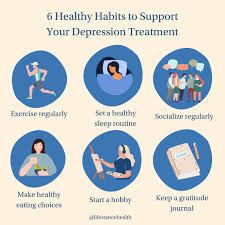
- They reduce uncertainty and mental fatigue.
- They provide purpose and rhythm to your day.
- They encourage healthy habits like eating, sleeping, and exercising regularly.
Start simple. Wake up at the same time each day, make your bed, eat breakfast, and set small achievable goals—like taking a walk or reading for 10 minutes. Over time, these small victories create momentum.
Tip: Write down a daily schedule the night before. Treat your self-care tasks like important appointments—because they are.
4. Move Your Body: Exercise Is Medicine
Physical activity is one of the most powerful natural antidepressants. Regular exercise releases endorphins (feel-good hormones) and increases serotonin and dopamine—brain chemicals linked to mood regulation.
Benefits of exercise for depression:
- Reduces stress hormones (like cortisol)
- Improves sleep quality
- Enhances self-esteem
- Boosts energy and concentration
You don’t have to run marathons. Even gentle movement helps:
- 30 minutes of walking, three to five times a week
- Yoga or stretching routines
- Dancing, swimming, or cycling
Tip: Start small. If getting out of bed is hard, begin with a five-minute walk around your room. Progress gradually—the key is consistency, not intensity.
5. Nourish Your Mind and Body: Eat for Mental Health
What you eat affects how you feel. Research shows that a healthy diet can significantly influence mood and reduce depressive symptoms.
Brain-boosting nutrients include:
- Omega-3 fatty acids (found in salmon, flaxseed, walnuts)
- B vitamins (in leafy greens, whole grains, eggs)
- Vitamin D (from sunlight and fortified foods)
- Magnesium (in nuts, seeds, and legumes)
- Probiotics (yogurt, kefir, or fermented foods to support gut health)
Avoid excessive sugar, alcohol, and processed foods—they can cause mood crashes. Instead, focus on whole, nutrient-dense meals that sustain energy and stabilize emotions.
Tip: Try the Mediterranean diet, which emphasizes fruits, vegetables, fish, and olive oil—it’s linked to lower rates of depression.
6. Sleep Well: Reclaim Rest and Recovery
Sleep and depression are closely intertwined. Poor sleep can worsen depression, and depression can disrupt sleep—a vicious cycle.
Creating a healthy sleep hygiene routine can help reset your body’s natural rhythm.
Sleep tips:
- Go to bed and wake up at the same time daily.
- Avoid screens (phones, TV) at least 30 minutes before bed.
- Keep your room dark, cool, and quiet.
- Avoid caffeine or alcohol in the evening.
- Create a relaxing pre-bed routine (reading, meditation, or gentle stretching).
If insomnia persists, talk to a healthcare provider—addressing sleep issues often dramatically improves mood.
Tip: Treat sleep as a non-negotiable part of your recovery, not a luxury.
7. Connect with Others: Don’t Face It Alone
Depression thrives in isolation. When you withdraw from friends and family, the illness grows stronger. Human connection, on the other hand, can be deeply healing.
Even if you don’t feel like socializing, staying connected helps counteract feelings of loneliness and hopelessness.
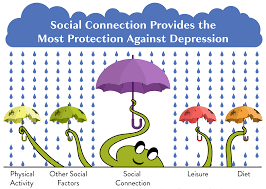
Ways to connect:
- Reach out to a trusted friend or family member.
- Join a support group (in-person or online).
- Volunteer or engage in community activities.
- Talk openly about what you’re going through.
You don’t have to be cheerful or “on.” Just being around others—even in silence—can remind you that you’re not alone.
Tip: If it feels overwhelming to talk, start small—send a text, make a brief call, or meet someone for coffee. Every connection counts.
8. Practice Mindfulness and Self-Compassion
Mindfulness is the practice of being fully present in the moment without judgment. It helps you observe your thoughts and emotions rather than being overwhelmed by them.
Research shows mindfulness meditation can reduce symptoms of depression, anxiety, and stress by changing how the brain processes emotions.
Simple mindfulness practices:
- Deep breathing: Focus on slow, steady breaths.
- Body scan: Gently notice sensations in each part of your body.
- Mindful journaling: Write about your feelings without judgment.
- Meditation apps: Try Calm, Headspace, or Insight Timer.
In addition, self-compassion—treating yourself with kindness—can help break the cycle of self-criticism that often fuels depression.
Tip: Talk to yourself as you would to a dear friend. Replace “I’m a failure” with “I’m struggling, but I’m trying my best.”
9. Find Purpose: Reignite Meaning in Your Life
Depression often robs life of meaning—it can make everything feel pointless. Reconnecting with purpose is vital for long-term recovery.
Meaning doesn’t have to come from grand achievements. It can arise from small, daily acts of love, creativity, or service.
Ways to find purpose:
- Volunteer for a cause you care about.
- Pursue creative outlets (art, writing, music).
- Set small personal goals.
- Practice gratitude—write down three things you’re thankful for each day.
- Reconnect with nature or spirituality.
When you engage in meaningful activities, your focus shifts from pain to purpose—and that shift can rekindle hope.
Tip: Ask yourself, “What gives me a sense of aliveness or connection?” Then take one small step toward it each day.
10. Be Patient: Healing Takes Time
Recovery from depression is not a straight line—it’s a journey with ups and downs. There will be good days and bad days, progress and setbacks. The key is persistence and patience.
Healing involves retraining your mind, body, and habits. Each positive choice—whether it’s going for a walk, seeing a therapist, or eating a healthy meal—is a step toward recovery.
Tip: Celebrate small victories. If you got out of bed today, that’s progress. If you showered or called a friend, that’s courage in action.
Remember: You are not your depression. It’s something you experience, not something that defines you. With time, effort, and support, the fog can lift—and light can return.

Bonus: When to Seek Immediate Help
If you ever feel like life is not worth living, or you’re having thoughts of harming yourself, please seek immediate help.
You are not alone, and help is available right now.
- In the U.S., call or text 988 (Suicide and Crisis Lifeline).
- In the U.K., call Samaritans at 116 123.
- In India, call AASRA at 91-9820466726.
- Or search online for your country’s local helpline.
Reaching out in crisis is an act of survival and strength—not weakness.
Conclusion: Hope and Healing Are Possible
Depression can make you feel as if the world has gone dark—but even the longest night gives way to dawn. Healing doesn’t mean you’ll never feel pain again; it means you’ll learn to navigate it with resilience, understanding, and support.
Each of the ten steps—understanding your condition, seeking help, building routines, moving your body, nourishing your mind, sleeping well, connecting with others, practicing mindfulness, finding meaning, and being patient—brings you closer to recovery.
Depression may silence your voice, but it can never erase your worth. You are still capable of joy, love, and purpose. With time, care, and courage, you can rediscover the light within you.
visitt sitehttps://service.gottyou.in/
Related Posts

The concept of transhumanism and its moral and its moral argument
Transhumanism- Transhumanism is a philosophical and intellectual movement that advocates…