
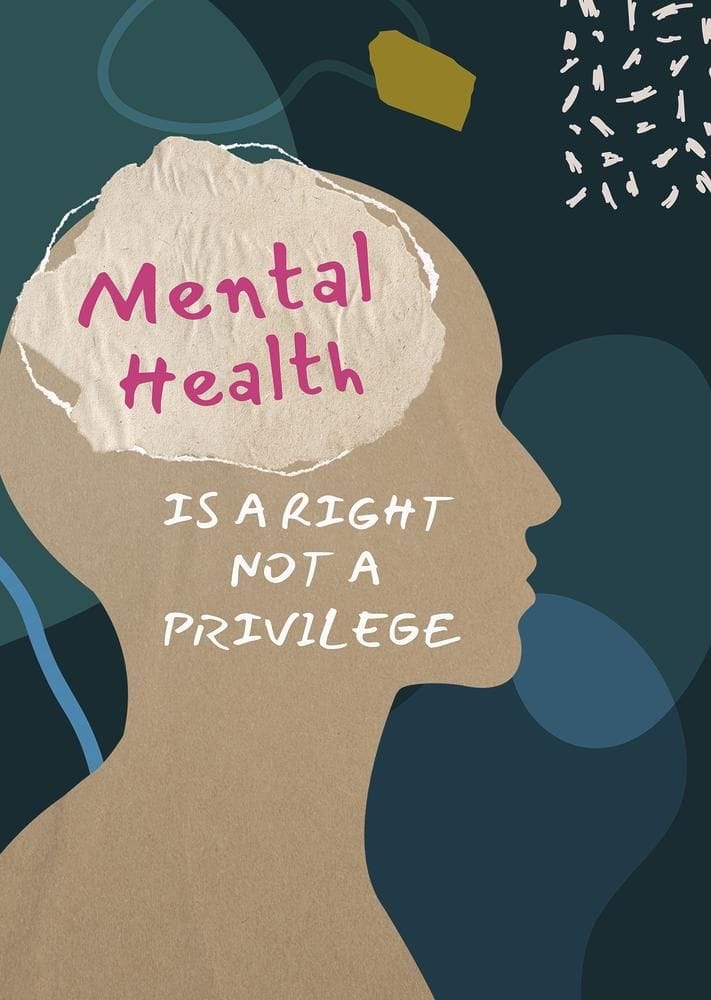
mental health awareness: tips to reduce stress and anxiety in 2025
introduction
In today’s fast-paced world, stress and anxiety affect millions of people daily. From demanding work schedules to social pressures and constant digital connectivity, our minds often feel overwhelmed.
mental health awareness reminds us that emotional well-being is just as vital as physical fitness. In 2025, growing awareness and innovative digital tools make it easier to manage stress, stay mindful, and maintain balance. This blog explores effective strategies to reduce stress and anxiety—backed by science and practical advice for modern living.
understanding stress and anxiety
what is stress?
Stress is the body’s natural response to challenges or perceived threats. While short-term stress can motivate us, chronic stress can harm immunity, sleep, and overall health.
what is anxiety?
Anxiety involves persistent worry or fear about future events. It can stem from personal, professional, or societal pressures and often overlaps with stress.
signs of stress and anxiety:
- feeling restless or irritable
- trouble sleeping
- rapid heartbeat or headaches
- difficulty concentrating
- overthinking or constant worry
Recognizing these signs early is a key aspect of mental health awareness and the first step toward better emotional management.

mindfulness and meditation
Mindfulness and meditation are powerful tools for maintaining emotional balance.
benefits:
- reduces cortisol (the stress hormone)
- improves focus and emotional regulation
- enhances self-awareness
techniques:
- guided meditation: use apps like Calm or Headspace for daily sessions
- breathing exercises: practice deep breathing or the 4-7-8 technique to calm the mind
- body scan: focus on each body part to release tension and stay grounded
exercise for mental health
Physical activity is a natural stress reliever and a cornerstone of mental health awareness.
why exercise helps:
- releases endorphins (“feel-good” hormones)
- reduces cortisol levels
- improves sleep and mood
recommended workouts:
- cardio: running, cycling, or dancing
- strength training: bodyweight or resistance exercises
- yoga: combines movement and mindfulness for deep relaxation

healthy diet and hydration
Your diet directly affects how you feel. Proper nutrition is a practical way to support mental health awareness and emotional well-being.
foods that reduce stress:
- omega-3s: salmon, flaxseeds, chia seeds
- complex carbs: oats, quinoa, brown rice
- antioxidants: berries, dark chocolate, green tea
- magnesium-rich foods: spinach, almonds, pumpkin seeds
hydration:
Dehydration can elevate stress hormones. Drink 2–3 liters of water daily for optimal balance.
digital detox and screen time management
Constant notifications and online comparisons can heighten anxiety. Promoting mental health awareness also means recognizing when to unplug.
tips:
- set phone-free hours, especially before bedtime
- avoid doomscrolling and negative social feeds
- use screen-time tracking apps
- explore offline hobbies like journaling, art, or gardening
sleep hygiene
Sleep plays a crucial role in stress management. Poor sleep can worsen anxiety and mood swings.
tips for better sleep:
- maintain a consistent bedtime schedule
- limit caffeine and heavy meals before bed
- create a calming pre-sleep routine
- keep your room dark, cool, and quiet
Good sleep supports mental health awareness by allowing the brain and body to recover naturally.

social connections and support
Healthy relationships strengthen resilience and emotional stability.
how to strengthen support networks:
- talk openly with family and friends
- join community or online support groups
- volunteer or participate in social activities
- seek professional counseling when needed
Building strong social bonds reinforces mental health awareness and helps individuals feel seen, heard, and supported.
journaling and positive affirmations
Writing is a simple yet powerful method to declutter the mind.
journaling tips:
- note daily stresses and gratitude points
- reflect on progress and challenges
- use prompts like: “what went well today?”
positive affirmations:
Repeat phrases like “I am in control of my emotions” or “I choose peace and positivity.”
Such affirmations strengthen mindset—a key focus in mental health awareness campaigns worldwide.
mindful hobbies and leisure
Engaging in hobbies reduces stress by shifting focus from worries to creativity.
- painting, music, or dancing
- gardening or cooking
- reading or puzzles
- nature walks or photography
Leisure activities encourage joy and balance—core principles of mental health awareness.
professional help and therapy
Some levels of stress and anxiety require expert guidance. Seeking help is a sign of strength, not weakness.
options:
- therapists & counselors: cognitive behavioral therapy (CBT) and talk therapy are effective
- online therapy: accessible through secure platforms and apps
- mindfulness coaches: help maintain long-term emotional wellness
Prioritizing professional care shows a deep commitment to mental health awareness and personal growth.
benefits of managing stress and anxiety
- improved mental clarity and focus
- better physical health and immunity
- enhanced relationships
- increased productivity and creativity
- greater emotional resilience
conclusion
In 2025, mental health awareness continues to empower people to take control of their emotional well-being. With mindfulness, exercise, balanced nutrition, and digital moderation, managing stress and anxiety is more achievable than ever.
Start small—commit to a few minutes of meditation, journaling, or mindful breathing each day. Over time, these habits nurture resilience, self-awareness, and peace of mind. Remember: a calm mind builds a stronger, healthier life.
FAQs
Q1. How long should I meditate daily to reduce stress?
Even 10–20 minutes of meditation daily can significantly lower stress and anxiety.
Q2. Can exercise really help with anxiety?
Yes, physical activity releases endorphins and reduces stress hormones.
Q3. What if I can’t sleep due to stress?
Try a relaxing bedtime routine, limit screen time, and practice deep breathing.
Q4. Are digital detoxes necessary?
Yes, disconnecting from screens helps improve focus, mood, and overall mental health.
Q5. When should I seek professional help?
If anxiety or stress affects your daily life, relationships, or sleep, consult a therapist or counselor.
—
Related Posts

Top 10 Superfood for a healthy lifestyle in 2025
superfood Superfood for a Healthy Lifestyle in 2025 Introduction Eating…
Rationalism : A deep philosophy
Rationalism: The Power of Reason in Understanding the World Rationalism-…