
,
plasma therapy-
In recent years, plasma therapy has emerged as a promising medical intervention, garnering attention worldwide for its potential to treat various diseases and infections like cancer .From viral outbreaks to chronic conditions, this treatment has shown remarkable results in accelerating recovery and boosting immunity. This blog explores plasma therapy in detail, including its definition, types, benefits, procedure, risks, research, and future prospects.

What is Plasma Therapy?
Plasma therapy is a medical treatment that utilizes plasma, the liquid component of blood, to aid in healing and immune support. Plasma contains proteins, antibodies, clotting factors, and other essential elements that help the body fight infections and repair damaged tissues. The therapy works by transferring these components from a healthy donor to a patient in need, essentially giving the immune system a “boost” to combat illness.
This intervention has been used for decades, but its role gained widespread attention during viral outbreaks, such as the COVID-19 pandemic, where it served as an emergency therapeutic option for severely ill patients.
Types of Plasma Therapy
The therapy can be categorized based on the method of collection and purpose:
1. Convalescent Plasma
Convalescent plasma involves using plasma collected from patients who have recovered from an infection. This plasma contains antibodies specific to the virus or bacteria that caused the illness. When transfused into a patient currently battling the same infection, these antibodies can help neutralize the pathogen, reduce disease severity, and accelerate recovery.
2. Autologous Plasma
In this form, a patient’s own plasma is collected, processed, and then reintroduced into their body. It is often used in regenerative medicine, such as platelet-rich plasma (PRP) therapy for wound healing, joint repair, and cosmetic procedures. The idea is to utilize the patient’s own plasma to stimulate tissue repair and reduce inflammation.
3. Platelet-Rich Plasma (PRP)
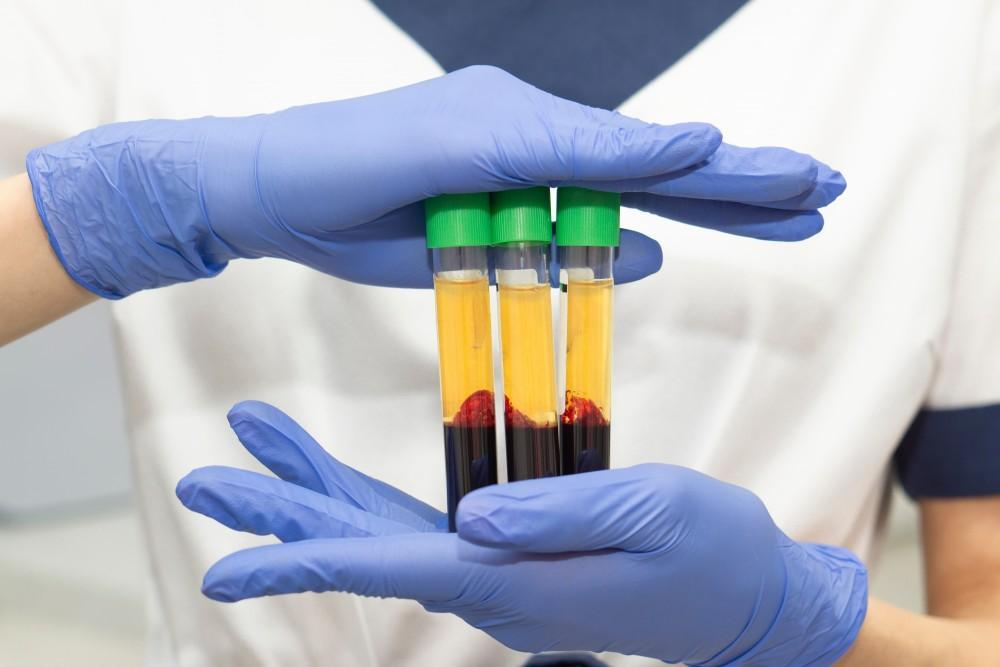
PRP therapy is a specialized form of autologous plasma therapy. Here, the plasma is concentrated with platelets that release growth factors. This approach is widely used in orthopedics, sports medicine, and dermatology to promote healing of injured tissues, ligaments, tendons, and skin.
How It Works
The treatment works by transferring critical blood components to support the immune system or facilitate tissue regeneration. The process generally involves:
- Donor Selection: Healthy donors with high antibody levels or the patient themselves are selected.
- Plasma Collection: Blood is drawn and processed to separate plasma from other blood components.
- Testing and Screening: Plasma is tested for infectious agents, compatibility, and antibody levels.
- Transfusion: The plasma is administered intravenously, allowing antibodies or growth factors to start their therapeutic effects.
In infectious diseases, antibodies in the plasma neutralize pathogens. In regenerative applications, growth factors stimulate cell proliferation, tissue repair, and inflammation reduction.
Benefits
This therapy offers several advantages:
- Boosts Immunity: Provides immediate antibodies to fight infections.
- Accelerates Healing: Stimulates tissue repair in injuries or chronic wounds.
- Reduces Disease Severity: Can lower symptom intensity and hospitalization duration.
- Minimizes Side Effects: Using a patient’s own plasma reduces adverse reactions.
- Versatile Applications: Useful across infectious diseases, regenerative medicine, and dermatology.
Risks and Limitations
While beneficial, plasma-based treatments have potential concerns:
- Allergic Reactions: Mild reactions such as fever, rash, or itching.
- Transmission of Infections: Improperly screened plasma may carry a risk of infection.
- Limited Availability: Dependent on donor plasma availability.
- Variable Effectiveness: Outcomes vary by patient condition, disease stage, and antibody levels.
- Short-Term Effects: Immunity may be temporary in infectious cases.
Applications in Viral Outbreaks
This therapy gained recognition during COVID-19. In severely ill patients, convalescent plasma provided passive immunity, neutralizing the virus and improving recovery rates. Historically, similar treatments have been used in influenza, Ebola, SARS, and MERS outbreaks, often as an emergency intervention before vaccines were widely available.
Applications in Regenerative Medicine
Platelet-rich plasma interventions are used to treat tendon injuries, ligament tears, joint problems, and skin rejuvenation. By harnessing the body’s natural healing mechanisms, patients experience faster recovery with fewer invasive procedures.
Research and Future Prospects
Ongoing research explores broader applications:

- Cancer Therapy: Using plasma-derived products to enhance immune responses.
- Neurological Disorders: Regenerative therapy for Parkinson’s, Alzheimer’s, and spinal injuries.
- Autoimmune Diseases: Modulating immune responses in conditions like lupus and rheumatoid arthritis.
- Personalized Medicine: Tailoring treatment based on genetic and immunological profiles.
As understanding improves, plasma-based treatments may become standard options in multiple medical disciplines.
Conclusion
Plasma therapy represents a remarkable convergence of blood transfusion techniques and modern immunological science. By harnessing the natural healing and immune-boosting properties of plasma, this treatment offers hope for patients with infectious diseases, chronic injuries, and various medical conditions.
Despite limitations, it has proven valuable in emergencies and regenerative medicine. Ongoing research continues to expand its potential, promising a future where such therapies play a central role in healthcare worldwide.
FAQs
Q1: Is plasma therapy safe?
Generally safe under medical supervision, though minor reactions like fever or rash may occur.
Q2: Who can donate plasma?
Healthy adults who meet donation criteria or have recovered from infections.
Q3: How long does it take to work?
Depends on condition—days for infections, weeks for regenerative applications.
Q4: Can it cure diseases permanently?
It supports healing and immune response but is not always a guaranteed cure.
Q5: Are there alternatives?
Yes—antivirals, vaccines, surgery, and PRP alternatives exist, but this therapy offers unique immune and regenerative benefits.
visit sitehttps://www.instagram.com/
Related Posts

Revolution of AI
The Great Transformation: The History, Revolution, and Unseen Shadows of…

Work-life balance: Achieving success without burnout in 2025
work life balancing- Introduction Introduction In today’s fast-paced, hyper-connected world,…

Artificials intelligence in 2025
Artificial Intelligence in 2025: How AI is Transforming Everyday Life…