Beyond the Basics: Decoding Eco-Friendly Fabrics
eco friendly fabrics-
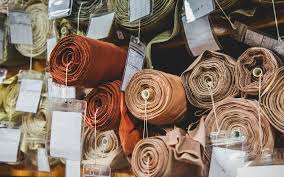
When we talk about sustainable fashion, the conversation often begins and ends with the materials. It’s the very thread from which a garment is woven, and choosing the right fabric can make all the difference for our planet. But what exactly makes a fabric “eco-friendly”? It’s a question that goes beyond simple labels and requires a deeper look into a fiber’s entire life cycle—from how it’s grown and processed to how it eventually breaks down.
Not all natural fabrics are created equal, and not all synthetic fabrics are a complete environmental disaster. The key lies in understanding the complex web of factors that determine a fabric’s true green credentials. Here, we break down three of the most popular eco-friendly fabrics—cotton, bamboo, and hemp—to reveal their pros, cons, and why they’re worth a closer look.
1. Cotton: The Eco Friendly fabrics Upgrade
Cotton is one of the world’s most widely used natural fibers, but its traditional cultivation is notoriously resource-intensive. Conventional cotton farming relies heavily on pesticides, insecticides, and vast amounts of water, leading to soil degradation and water pollution.
However, the eco friendly fabrics alternative, organic cotton, is a completely different story. It’s grown without the use of toxic pesticides, synthetic fertilizers, or genetically modified seeds.
Pros of Organic Cotton:
- Reduced Chemical Footprint: Growing organic cotton protects the health of farmers and local ecosystems by eliminating the use of harmful chemicals.
- Improved Soil Health: Organic farming practices, like crop rotation, improve soil fertility and biodiversity, making the land more resilient.
- Lower Water Consumption: While not entirely water-free, organic cotton farming often relies on natural rainfall and healthy soil, reducing the need for extensive irrigation.
- Biodegradable: As eco friendly fabrics, organic cotton is fully biodegradable, breaking down at the end of its life cycle and returning to the earth without leaving behind harmful microplastics.
Cons of Organic Cotton:
- Higher Price Point: The cost of eco friendly fabrics can make organic cotton garments more expensive than their conventional counterparts.
- Water Usage: It’s still a thirsty crop, and in dry regions, even organic cotton can strain local water supplies.
The Verdict: Look for GOTS (Global Organic Textile Standard) certification, which ensures that the fabric is not only organic but also produced in an ethically and socially responsible manner. Organic cotton is a significant step up from conventional cotton and a reliable choice for sustainable basics.

2. Bamboo: The Regenerative Contender
Bamboo is often celebrated as a miracle plant for its incredible growth rate and minimal need for water, pesticides, and fertilizers. It can be a highly sustainable crop, but its journey from stalk to soft fabric is a crucial point of distinction.
Bamboo fabric comes in two main forms: bamboo linen and bamboo viscose/rayon.
- Bamboo Linen: These are the most eco friendly fabrics . It’s produced through a mechanical process, similar to how linen is made from flax. The process is low-impact and maintains the plant’s natural properties, resulting in a durable, breathable fabric.
- Bamboo Viscose/Rayon: This is the far more common form. The bamboo is dissolved using strong chemicals, such as carbon disulfide and sodium hydroxide, in a process known as the “viscose process.” While the end product is incredibly soft and silky eco friendly fabrics, this chemical-intensive process can be harmful to workers and the environment if not managed in a closed-loop system that recycles the chemicals.
Pros of Bamboo (as a crop):
- Rapid Growth: Bamboo can grow incredibly fast, with some species growing several feet in a single day, making it a highly renewable resource.
- Low Water & Pesticide Needs: It thrives on rainwater and rarely requires pesticides or fertilizers to grow.
- Carbon Sequestering: Bamboo plantations are effective at absorbing carbon dioxide and releasing oxygen.
- Biodegradable: Like cotton, the final fabric is biodegradable.
Cons of Bamboo (as a fabric):
- Chemical Processing: The manufacturing of bamboo rayon can be highly polluting if not done in a closed-loop system.
- Deceptive Marketing: The term “bamboo fabric” can be misleading. It’s important to look for details on the specific manufacturing process to ensure it’s a truly eco friendly fabrics .
The Verdict: While bamboo’s potential is immense, it’s vital to choose brands that use a closed-loop lyocell process (sometimes labeled as TENCEL™) for their bamboo fabrics. This method reuses the chemicals and minimizes waste, making it a truly eco friendly fabrics.
3. Hemp: The Unsung Hero
Hemp is arguably one of the most eco friendly fabrics on the planet, and it’s finally getting the recognition it deserves in the fashion industry. Historically, hemp was a staple for ropes and sails due to its incredible strength and durability. Today, modern processing techniques have transformed it into a soft, luxurious fabric that rivals linen.
Pros of Hemp:

- Minimal Water & Land Use: Hemp requires significantly less water to grow than cotton and can thrive in a variety of climates with little to no pesticides or herbicides.
- Soil Health: Hemp is a natural bio-accumulator, meaning it helps to clean the soil of toxins. It also replenishes nutrients, making it an excellent rotational crop.
- Incredibly Durable: Hemp fibers are one of the strongest and most durable natural fibers, meaning garments made from hemp last for years, reducing the need for frequent replacements.
- Naturally Anti-Microbial: Hemp is naturally resistant to mold and mildew, making it ideal for clothing and home textiles.
- Breathable & Insulating: Hemp fabric is highly breathable in the summer and provides warmth in the winter, making it a versatile material.
- Softens with Age: Unlike synthetic fabrics that degrade over time, hemp gets softer and more comfortable with every wash and wear.
Cons of Hemp:
- Stiff Initial Feel: Some find that new hemp fabrics can feel a bit coarse at first, but this quickly softens after a few washes.
- Wrinkles Easily: Similar to linen, hemp is prone to wrinkling, which may not appeal to everyone.
The Verdict: Hemp is a powerhouse of sustainability. Its low-impact cultivation, combined with its durability and versatility, makes it a top choice for brands committed to truly eco-friendly practices. Look for brands that use 100% hemp or a hemp-organic cotton blend for a fabric that’s both durable and comfortable. its one of the best eco friendly fabrics.
Licensed by Google
Making an Informed Choice
As consumers, we have the power to drive change by making informed choices. Choosing eco friendly fabrics is more than a trend; it’s a commitment to a more responsible way of life. When you’re shopping for your next garment, take a moment to read the label and ask these questions:
- What is this fabric made of?
- How was it grown or produced?
- Is there a third-party certification (like GOTS or Fair Trade)?
By supporting brands that prioritize these sustainable materials, you’re not just buying a piece of clothing—you’re investing in a healthier planet and a more ethical future for fashion.
visit sitehttps://www.instagram.com/