
ai in healthcare”:
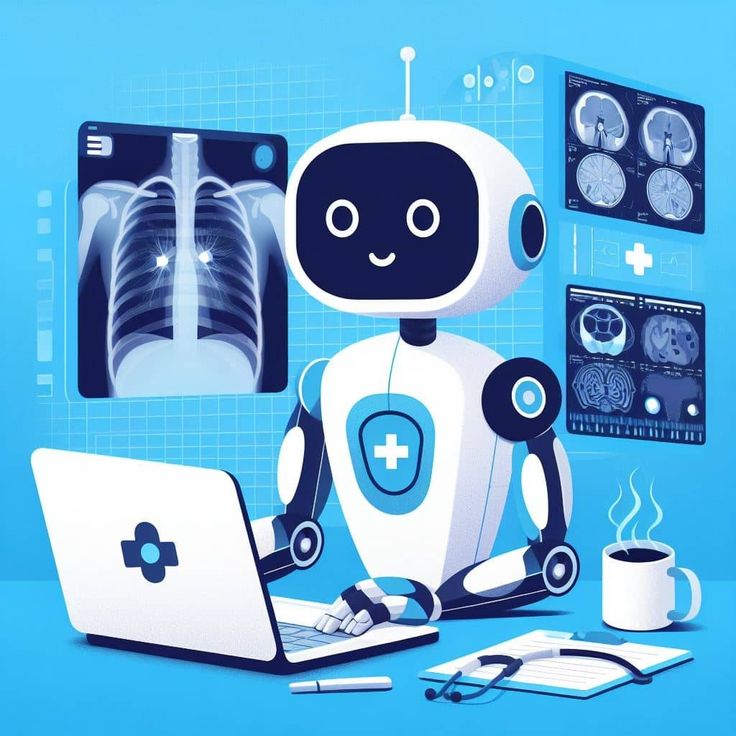
The Algorithmic Oath: Ethics and Responsibility in ai in healthcare
The Hippocratic Oath, sworn by physicians for millennia, pledges to act in the patient’s best interest—to do no harm. In the gleaming, silicon-laced future of medicine, where ai in healthcare increasingly assumes diagnostic, therapeutic, and administrative roles, a new, unwritten “Algorithmic Oath” is beginning to emerge. This blog explores the profound ethical implications of ai in healthcare, examining both the promises it holds and the precipices it skirts, as we strive to ensure that technological progress remains grounded in human values.
The Dawn of a New Era: Promise and Peril
ai in healthcare is no longer a futuristic idea; it is a rapidly unfolding reality. From sophisticated algorithms that detect subtle cancerous anomalies with greater accuracy than human eyes to ai-powered drug discovery platforms that accelerate therapeutic breakthroughs, the potential is transformative. Imagine personalized treatment plans optimized through millions of patient data points, predictive models anticipating disease outbreaks, and robotic surgical assistants performing with unmatched precision.
The promise of ai in healthcare is nothing short of revolutionary—enhanced efficiency, improved outcomes, and lives both saved and enriched. Yet, this revolution arrives not as a cure-all, but as a complex ethical frontier. Each algorithmic advance, predictive model, and automated decision introduces moral questions that demand thoughtful oversight and clear frameworks. Without proactive governance, ai in healthcare could unintentionally deepen inequalities, erode trust, and reshape the sacred doctor-patient relationship.

The Pillars of Ethical Concern
1. Bias and Fairness: The Echo Chamber of Data
ai in healthcare is only as fair and unbiased as the data it learns from. Historical medical datasets often reflect systemic inequalities—underrepresenting certain demographic groups or embedding racial, gender, or socioeconomic biases.
The danger: An ai system trained mainly on one demographic might misdiagnose conditions in others. For instance, an ai model trained primarily on lighter skin tones might fail to detect skin cancer in darker skin, leading to delayed or missed diagnoses.
The ethical imperative: Ensuring fairness in ai in healthcare requires diverse, representative data and regular auditing. Developers and clinicians must test algorithms across different demographic groups and employ fairness-aware techniques to prevent reinforcing health disparities.
2. Transparency and Explainability: The Black Box Dilemma
Many ai in healthcare systems operate as “black boxes.” They may produce accurate recommendations, but the reasoning behind their conclusions can be opaque even to their creators.
The danger: In healthcare, it’s not enough to know what an ai recommends—clinicians must understand why. Blindly following an unexplained output undermines trust, accountability, and patient safety.
The ethical imperative: The move toward explainable ai in healthcare is essential. Clinicians should be able to interpret, question, and, when necessary, override ai suggestions, ensuring that human judgment remains central to care.
3. Accountability and Liability: Who Is Responsible?
When ai in healthcare makes a mistake, determining responsibility becomes complex. Is it the developer, the hospital, the clinician, or the patient who trusted the system?
The danger: Without clear accountability, patients may lack recourse for harm, and developers may hesitate to innovate.
The ethical imperative: Transparent legal and ethical frameworks are needed. Responsibility should be shared among stakeholders, but final decision-making must remain with human clinicians. ai in healthcare should act as a trusted tool—never as an unquestioned authority.
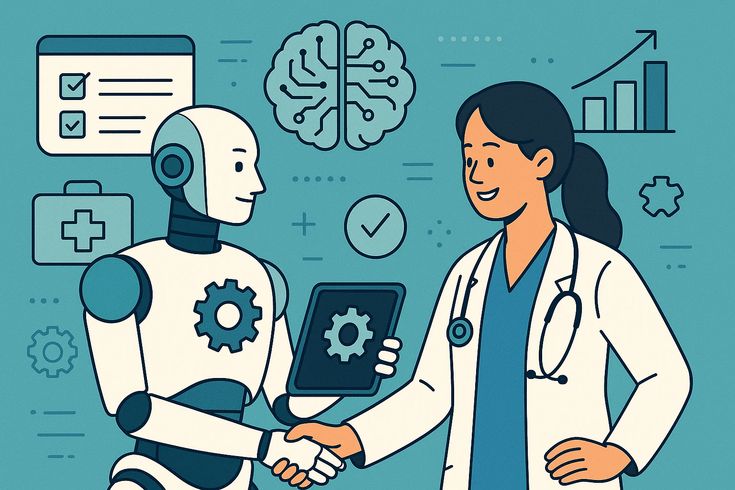
4. Privacy and Data Security: The Treasure Trove of Health Information
ai in healthcare depends on vast amounts of data—genetic, behavioral, and clinical. But this reliance on data introduces serious privacy risks.
The danger: Breaches of medical databases can expose deeply personal information, leading to discrimination or exploitation.
The ethical imperative: Strong data protection measures—encryption, anonymization, and strict access controls—must be fundamental to all ai in healthcare systems. Patients should understand how their data is used and have the power to give or withhold consent. Trust is the foundation of digital medicine.
5. Autonomy and the Human Touch: Preserving Compassion in Care
Healthcare is inherently human. Yet as ai in healthcare becomes more capable, there’s a risk that empathy and genuine human connection could diminish.
The danger: Over-reliance on ai could turn doctors into data operators, reducing the space for empathy and individual understanding.
The ethical imperative: ai in healthcare should free clinicians from administrative burdens, allowing them to spend more time engaging with patients. Technology must enhance, not erode, the compassion at the heart of care.
6. Access and Equity: The Digital Divide
While ai in healthcare promises to make quality care more accessible, unequal distribution of technology could worsen health disparities.
The danger: Advanced ai systems may first appear in well-funded hospitals and wealthier regions, leaving underserved communities behind.
The ethical imperative: Policymakers and healthcare leaders must prioritize equitable access to ai in healthcare. Investment in digital infrastructure, affordability, and inclusive design is essential to ensure that innovation benefits everyone—not just those with resources.
Towards an Algorithmic Oath: A Path Forward
Navigating the ethical landscape of ai in healthcare demands cooperation across disciplines and sectors.
- Robust regulation and policy: Governments and international bodies must design agile frameworks that balance innovation with patient safety.
- Interdisciplinary collaboration: Ethicists, clinicians, developers, and patients should co-create systems rooted in shared human values.
- Continuous education: Clinicians must understand the capabilities, limitations, and ethical implications of ai in healthcare.
- Auditing and monitoring: Regular evaluations can ensure that ai remains accurate, fair, and aligned with its intended purpose.
- Prioritizing human values: At every step, ai in healthcare should reflect the principles of beneficence, non-maleficence, autonomy, and justice.
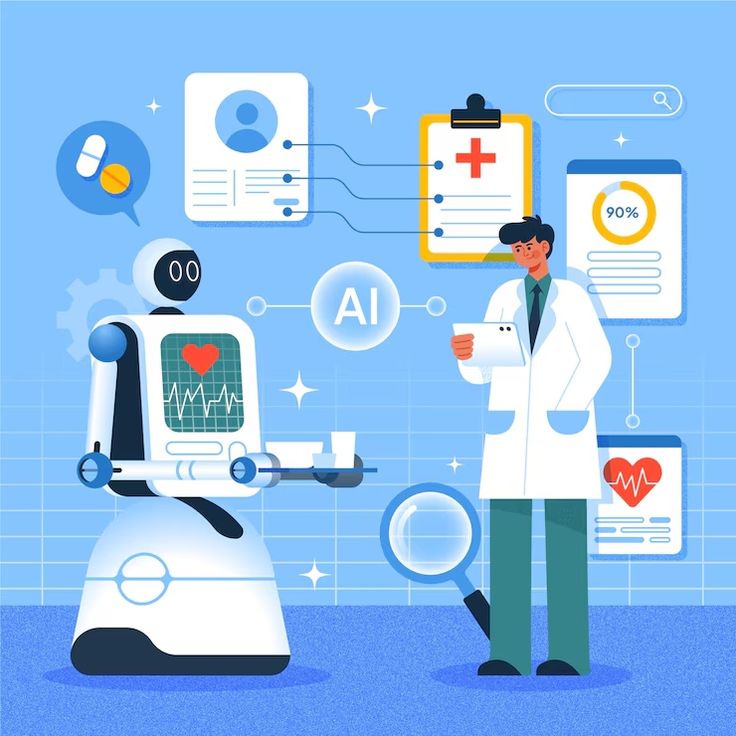
Conclusion
ai in healthcare stands poised to redefine medicine, augment human intelligence, accelerate discovery, and personalize care in ways once thought impossible. Yet this transformation must be guided by conscience as much as by code.
The algorithmic oath we adopt should commit us to building ai in healthcare systems that are ethical, equitable, transparent, and deeply human-centered. Only then can we truly harness technology to uphold the timeless promise of medicine—to heal, to comfort, and to do no harm.
The responsibility is immense, and the time to act is now.
visit sitehttps://www.instagram.com/
Related Posts

Depression- top 10 tips to cure depression
Introduction depression- Depression is more than just feeling sad. It’s…

K Pop culture- global influence
k pop culture K-pop, a portmanteau for Korean popular music,…