The Vegetarian Revolution: The Story of Paneer Tikka, From Royal Tables to Modern Menus
paneer tikka-
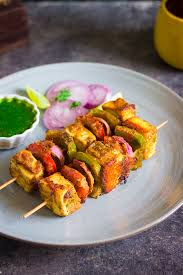
There are dishes that are just food, and then there are dishes that are a phenomenon. Paneer Tikka is undeniably the latter. With its vibrant colors, smoky char, and a savory, spiced core, it has transcended its origins to become a universal symbol of Indian cuisine. The sizzle of the paneer as it hits a hot griddle, the intoxicating aroma of roasted spices and tangy yogurt, the melt-in-your-mouth texture of the cheese—it is a sensory experience that is both elegant and deeply comforting.
But what seems like a timeless staple is, in fact, a modern classic. Paneer Tikka is not an ancient dish from a forgotten era; it is a delicious testament to culinary evolution, cultural adaptation, and a deep-seated love for flavor. Its story is one of innovation, health-consciousness, and a quiet, yet powerful, revolution in the world of vegetarian cuisine.
This blog is a deep dive into the world of Paneer Tikka. We will journey from the imperial palaces of the Mughal Empire to the modern-day kitchens of health-conscious diners. We will explore its fascinating history, its cultural status, and its surprising array of health benefits that make it far more than just a tasty appetizer.
Part 1: The Royal Roots of a Vegetarian King – Origin and History
To understand Paneer Tikka, we must first understand the word tikka. The term is Persian, meaning “bits” or “pieces.” It refers to small cubes of boneless meat or cheese that are marinated in a blend of spices and yogurt, then skewered and grilled over a hot flame. The concept of marinating and grilling meat is an ancient one, brought to the Indian subcontinent by invaders and traders from Persia and Central Asia. However, it was the Mughal Empire that truly perfected this art form, making it a cornerstone of their highly refined cuisine.
From Persia to the Palaces of India
The Mughals, who ruled vast parts of India from the 16th to the 19th centuries, were renowned for their love of elaborate banquets and sophisticated culinary techniques. They brought with them the tandoor, a large, cylindrical clay oven. While similar clay ovens existed in the Indus Valley Civilization as far back as 2600 B.C., it was the Mughals who popularized its use for cooking marinated meat and bread.
The Mughals’ love for grilled meat led to the creation of countless variations of tikkas, including Chicken Tikka, Fish Tikka, and Seekh Kebabs. These dishes were often marinated for hours in creamy yogurt, a variety of fragrant spices, and a touch of fat to keep them moist. They were then skewered and cooked at extremely high temperatures inside the tandoor, which imparted a unique smoky flavor and a beautiful, charred exterior while keeping the inside tender and juicy. This cooking method and style became synonymous with the rich, royal cuisine of North India.
The Meat-Free Revolution
For centuries, tikka was almost exclusively a meat dish. So, how did a dish so deeply rooted in non-vegetarian cooking become one of the most beloved vegetarian options in the world? The story of Paneer Tikka is a testament to culinary ingenuity and the growing demand for vegetarian alternatives in a culture where a significant portion of the population avoids meat.
In the mid-20th century, particularly with the spread of North Indian cuisine across the country and the world, chefs began to adapt their menus to cater to vegetarian diners. They needed a protein-rich ingredient that could withstand the high heat of the tandoor, absorb the marinade’s complex flavors, and provide a satisfying texture similar to meat. Paneer, a fresh, non-melting cheese made from curdled milk, was the perfect choice.

Paneer’s unique properties make it an ideal substitute. Unlike most cheeses, it doesn’t melt when heated, allowing it to hold its shape perfectly on the skewer. Its relatively neutral flavor profile makes it a blank canvas, eagerly absorbing the rich spices and tanginess of the yogurt marinade. The result was a dish that was not just a mere substitute but a culinary masterpiece in its own right. It had the same smoky char from the tandoor, the same vibrant color from the spices, and a rich flavor that could rival any of its meat-based counterparts.
From Street Food to Fine Dining
Paneer Tikka quickly moved from being a simple vegetarian option to a star on its own merit. It became a staple at restaurants across India, a popular street food appetizer served alongside a mint chutney, and a must-have on the menus of Indian restaurants worldwide. Its versatility is part of its charm. It can be served simply on skewers, transformed into the creamy and decadent Paneer Tikka Masala, or added to wraps and salads.
Today, Paneer Tikka holds a unique and revered place in the culinary world. It represents a bridge between ancient traditions and modern tastes, a dish that honors the historical techniques of Mughal cooking while embracing the contemporary dietary preferences of a globalized society.
Part 2: The Nutritional Powerhouse – Health Benefits of Paneer Tikka
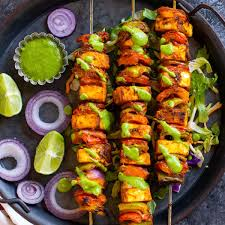
Beyond its delicious flavor and rich history, Paneer Tikka is a nutritional powerhouse, a fact that has contributed significantly to its popularity among health-conscious diners. When prepared correctly, using the traditional grilling method, it offers a remarkable array of health benefits that make it a far superior choice to many other appetizers or main courses.
The Power of Paneer: A Protein King
The star ingredient, paneer, is a complete protein source. This means it contains all nine essential amino acids that our bodies cannot produce on their own. For vegetarians, finding reliable sources of complete protein can be a challenge, and paneer provides a delicious solution.
The benefits of its high-protein content are numerous:
- Muscle Building and Repair: Protein is the building block of our muscles. Whether you are an athlete or simply looking to maintain a healthy body, a high-protein diet is essential. The amino acids in paneer help repair muscle tissue, making it an excellent post-workout snack.
- Satiety and Weight Management: Protein is the most satiating of the three macronutrients. A meal rich in protein, like Paneer Tikka, helps you feel full for longer, reducing the urge to snack and aiding in weight management.
- Metabolic Health: Protein requires more energy for the body to digest and metabolize compared to fats and carbohydrates, a process known as the thermic effect of food. This can slightly boost your metabolism.
Beyond protein, paneer is also an excellent source of calcium, a mineral crucial for strong bones and teeth. A single serving can provide a significant portion of your daily calcium needs, making it a great addition to a diet aimed at preventing osteoporosis. While paneer contains fat, it is a healthy source of energy, and its overall nutritional profile makes it a well-balanced food.
The Magic of the Marinade: A Spice Arsenal
The health benefits of Paneer Tikka don’t stop with the paneer itself. The vibrant, flavorful marinade is a treasure trove of nutrients and compounds with powerful medicinal properties.
The base of the marinade is yogurt, which is packed with probiotics. These beneficial bacteria are essential for a healthy gut microbiome, which plays a critical role in digestion, immunity, and even mood regulation. Yogurt also provides additional protein and calcium, further enhancing the dish’s nutritional value.
However, the true magic lies in the carefully selected spices, each of which brings a unique health benefit to the plate.
- Turmeric (Haldi): The golden hue of the marinade comes from turmeric, a spice renowned for its active compound, curcumin. Curcumin is a powerful anti-inflammatory and antioxidant. Its anti-inflammatory properties can help reduce the risk of chronic diseases, while its antioxidant effects protect the body from free radical damage.
- Ginger and Garlic: These two ingredients are a powerful duo. Ginger is a well-known digestive aid that can help with nausea and indigestion. Garlic contains allicin, a compound that has been shown to boost the immune system and have beneficial effects on cardiovascular health, including lowering blood pressure and cholesterol.
- Cumin (Jeera): This earthy spice is known to aid digestion and help stimulate digestive enzymes. It also has a good content of iron, making it beneficial for overall blood health.
- Coriander (Dhania): Coriander seeds are rich in antioxidants and can help lower bad cholesterol (LDL). The fresh coriander leaves used in the marinade add vitamins K, A, and C, further boosting the dish’s nutritional content.
- Red Chili Powder: Beyond adding heat, red chili powder contains capsaicin, a compound that has been shown to boost metabolism and may aid in weight loss.
The Superior Cooking Method
Finally, the health benefits of Paneer Tikka are sealed by its cooking method. The traditional way of preparing this dish is in a tandoor or by grilling. Both of these methods use intense, dry heat, which cooks the food without the need for large amounts of oil. This is a significant advantage over deep-frying, which adds a substantial number of calories and unhealthy fats. Grilling helps to char the exterior, locking in moisture and flavor while preserving the nutrients of the paneer and spices.

The combination of high-protein paneer, probiotic-rich yogurt, and a vibrant blend of health-boosting spices, all cooked in a low-fat method, makes Paneer Tikka a far healthier choice than many other popular appetizers. It’s a dish that proves you don’t have to sacrifice flavor for health.
Conclusion: A Legacy of Flavor and Wellness
Paneer Tikka is a testament to the dynamic nature of food. It is a dish that began its life in a rich, non-vegetarian tradition, only to be reimagined and perfected as a vegetarian classic. Its journey from the Mughal emperors’ love for grilled meats to the modern-day kitchen of the health-conscious diner is a story of adaptation, ingenuity, and a deep, abiding love for flavor.
Beyond its delectable taste and fascinating history, Paneer Tikka stands as a symbol of well-being. It is a reminder that some of the most delicious foods can also be the healthiest. It embodies the principle of using simple, natural ingredients to create something truly extraordinary. So, the next time you bite into a piece of Paneer Tikka, take a moment to savor not just the flavor, but the rich history and powerful health benefits that make it the true king of vegetarian appetizers.
visit sitehttps://www.instagram.com/