
The Quiet Revolution: Why Mental Health Isn’t a Buzzword and Self-Care Isn’t a Luxury
Mental Health Self Care-
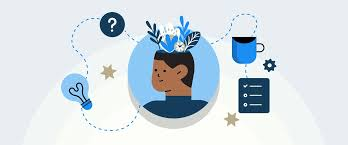
In the relentless hum of modern life—the constant pings of notifications, the pressure to “grind” 24/7, the curated perfection on social media—a quiet revolution is underway. It’s a shift in how we talk about our inner worlds, a collective awakening to a simple yet profound truth: mental health self care is just as important as physical health.
For too long, the two have been treated as separate entities. We would readily go to a doctor for a broken bone or a persistent cough, but we would suffer in silence with anxiety, depression, or burnout, believing it to be a personal failure or a sign of weakness. This outdated view has kept millions in the shadows, battling their own minds in solitude.
This is a new era. We are beginning to understand that our mental well-being isn’t a destination to be reached but a daily practice to be nurtured. And in this practice, we are rediscovering an ancient, yet often misunderstood, tool: self-care.
This blog is a deep dive into the intertwined worlds of mental health self care . It’s a guide to demystifying the stigma, to understanding our minds, and to building a sustainable, personal practice of self-care that is not a luxury, but a non-negotiable part of our daily lives.
Demystifying Mental Health self care: A Spectrum, Not a State
The first step in this revolution is to understand what mental health self care truly is. It’s not a binary state of “mentally ill” or “perfectly fine.” Instead, it exists on a spectrum, and every single one of us moves along it throughout our lives.
Think of it like a weather report for your mind. Some days you’re experiencing clear skies and sunshine—you feel centered, motivated, and resilient. Other days, there might be a few clouds—you feel a bit stressed, tired, or low. And on some days, there might be a full-blown storm—you feel overwhelmed, anxious, or profoundly sad. None of these states define you, but they are all a part of the human experience.
Common Conditions: Beyond Character Flaws
When the “storm” persists for weeks or months, it may be a sign of a mental health condition. It’s crucial to understand that conditions like anxiety and depression are not character flaws or signs of weakness. They are medical conditions, often influenced by a complex interplay of genetics, brain chemistry, life events, and environment.
- Anxiety can be understood as the mind’s alarm system getting stuck in the “on” position. It’s a natural response to danger, but for a person with an anxiety disorder, the alarm is constantly blaring, even when there’s no threat. This can manifest as restlessness, racing thoughts, panic attacks, or even physical symptoms like a pounding heart or stomach issues.
- Depression is more than just sadness. It’s a persistent low mood, a loss of interest in activities you once enjoyed, and a profound fatigue that can make even the simplest tasks feel insurmountable. It can feel like walking through a fog, a heaviness that blankets your entire life.
Recognizing the signs is the first step toward getting help. Watch for persistent changes in sleep patterns, appetite, social habits, or energy levels. A sudden withdrawal from friends and family, a loss of interest in hobbies, or a feeling of hopelessness are all signals from your mind that something needs attention.
The Stigma: The Silent Wall
The single greatest barrier to mental health self care well-being is the stigma that surrounds it. This stigma, rooted in a cultural history of silence and shame, convinces us that our struggles must be hidden. It tells us that to admit we’re not okay is a sign of failure.
The truth is, talking about your mental health self care is an act of profound courage. It is an act of vulnerability that can liberate you from the shackles of silence and open the door to healing. The more we speak openly and honestly, the more we dismantle the stigma brick by brick, creating a world where no one has to suffer alone.
The Truth About Self-Care: A Necessity, Not a Luxury
The term ” mental health self care” has been co-opted and commercialized. Today, it’s often marketed as a luxury—a spa day, a shopping spree, or an expensive vacation. While these can be wonderful, they are not the essence of self-care.
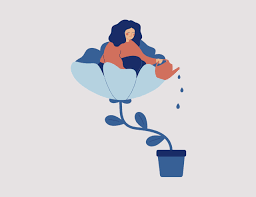
True mental health self care is not about indulgence; it’s about maintenance. It’s the conscious, deliberate act of protecting your mental, emotional, and physical well-being. It is about consistently pouring into your own cup so you have something left to give.
Think of it like this: your mind and body are a finely tuned, highly complex machine. You wouldn’t run your car for years without an oil change, new tires, or fresh gas. You wouldn’t expect your phone to function perfectly on a 5% charge for a full day. You recharge it. You maintain it. You care for it. You are no different.
The reason so many of us resist self-care is twofold:
- Guilt: We’ve been conditioned to believe that putting ourselves first is selfish. We prioritize our work, our family, and our social commitments to the point of exhaustion.
- Lack of Time: In a world that glorifies being busy, taking a moment to breathe can feel impossible.
But remember, you cannot pour from an empty cup. mental health Self care isn’t selfish; it’s a fundamental act of humanity that ensures you can show up as your best self for others.
The Five Pillars of Holistic mental health Self Care
Self-care isn’t a one-size-fits-all solution. It’s a holistic practice that addresses all aspects of your being. It can be broken down into five core pillars.
1. Physical Self-Care
Our minds and bodies are inextricably linked. Taking care of your physical health is the most direct way to support your mental well-being.
- Sleep: It’s the most powerful mental health self care reset button you have. A lack of sleep impacts mood, focus, and emotional regulation. Prioritize 7-9 hours a night.
- Nutrition: What you eat directly impacts your brain’s chemistry. A diet rich in fruits, vegetables, and whole foods can improve mood and energy levels.
- Movement: Exercise is a natural mood booster. A walk in nature, a workout at the gym, or even just stretching for 15 minutes can release endorphins and reduce stress hormones.
- Hygiene: Simple acts like showering, brushing your teeth, or getting dressed in a fresh outfit can have a profound impact on your self-worth and mindset.
2. Emotional Self-Care
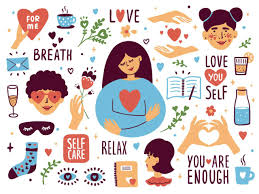
This is about acknowledging, honoring, and processing your feelings.
- Journaling: Writing down your thoughts and feelings can help you process them without judgment. It’s a safe space to vent, reflect, and find clarity.
- Setting Boundaries: Saying “no” is an act of emotional mental health self care. It protects your time and energy from being drained by others’ demands.
- Expressing Yourself: Find a healthy outlet for your emotions, whether it’s through art, music, or talking to a trusted friend or family member.
3. Social Self-Care
As humans, we are wired for connection. Nurturing our relationships is vital for our well-being.
- Quality over Quantity: Focus on spending time with people who lift you up and make you feel seen and valued.
- Learn to Disconnect: Social media can be both a connector and a drain. Know when to put your phone away and have a real-life conversation.
- Find Your Community: Whether it’s a book club, a hiking group, or a volunteer organization, finding a group of like-minded people can combat feelings of isolation and provide a sense of belonging.
4. Spiritual Self-Care
This isn’t necessarily about organized religion; it’s about connecting with something larger than yourself.
- Mindfulness and Meditation: Spending even a few minutes each day to sit with your thoughts and breath can help you feel more grounded and less reactive to the world around you.
- Time in Nature: Walking in a park, sitting by a lake, or simply watching the sunrise can reconnect you to the natural world and provide a sense of peace and perspective.
- Practicing Gratitude: Acknowledging the things you are grateful for, no matter how small, shifts your focus from what is lacking to what you have, fostering a more positive mindset.
5. Intellectual Self-Care
Keeping your mind engaged and curious is an important part of a healthy life and doing mental health selfcare.
- Learning a New Skill: Whether it’s playing an instrument, learning a new language, or trying a new recipe, the act of learning keeps your brain active and provides a sense of accomplishment.
- Reading: Losing yourself in a good book is a fantastic way to disconnect from daily stressors and expand your horizons.
- Engaging in Hobbies: Dedicate time to a hobby you genuinely enjoy, whether it’s painting, gardening, or building models. This is about pure, non-productive joy.
Building a Sustainable Routine
Now that you know what self-care is, how do you actually do it? It’s not about grand gestures; it’s about consistency.
- Start Small: Don’t try to overhaul your life in one day. Start with one small, manageable change. Take a 15-minute walk. Journal for five minutes. Go to bed 30 minutes earlier. Small steps are the key to long-term success.
- Schedule It: If you don’t schedule it, it won’t happen. Block out time in your calendar for your mental health self care practices, just as you would for a work meeting or a doctor’s appointment.
- Listen to Yourself: Pay attention to what your body and mind need on any given day. On a day when you feel drained, a long walk might be what you need. On a day when you feel restless, a high-intensity workout might be the answer. Your needs will change.
- Release the Guilt: This is the hardest part. You must actively work to release the guilt associated with taking time for yourself. Remind yourself that you are worthy of care. mental health Self care is not a reward; it’s a fundamental need.
The Quiet Revolution is You
mental health self care is not about a sudden change in society; it’s about a quiet, persistent change in each individual. It is the moment you choose to put your well-being first. It’s the decision to say “no” to an extra task when you’re already exhausted. It’s the act of being honest about your struggles and seeking help. It’s the daily commitment to caring for your mental health self care.
Mental health self care is a journey, not a destination. And on this journey, self-care is your most essential tool. It is the compass that guides you back to yourself, the shield that protects you from burnout, and the fuel that keeps you going. Taking care of your mental health self care isn’t selfish; it’s a courageous and necessary act. It’s an act of respect for the incredible person you are. It’s an act of love.
You are worth the effort. Now, go take a deep breath. Start small. And begin.
visit sitehttps://www.instagram.com/
Related Posts


weight loss vs. fat loss what you need to know in 2025
weight loss- Weight Loss vs. Fat Loss: What You Need…

Gaming trends in 2025 : Whats next ?
Gaming Gaming Trends in 2025: What’s Next? it has come…