
Frankenstein’s creature
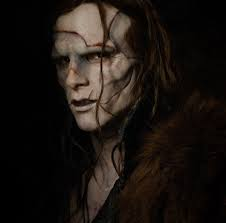
Monsters have always been the mirrors we hold up to ourselves. Long before film studios trademarked jump-scares and long before Halloween aisles turned horror into plastic masks and cheap rubber claws, monsters were metaphors—shadows of human fear, guilt, desire, and regret.
Among them all, one stands taller (literally and emotionally): Frankenstein’s Creature.
Not Frankenstein—the doctor—but the intelligent, agonized being he stitched together from corpses and abandoned at birth.
While Dracula seduces, werewolves rage, and zombies simply snack on neighbors, Frankenstein’s creature thinks. He reads. He suffers. He questions. He wants purpose, belonging, companionship, and justice. And because of all that, he might just be the most tragically human monster ever written.
This blog takes you through a deep, 3000-word exploration of the Creature’s personality and how he contrasts with the dramatic, dangerous, and occasionally unintentionally comedic monsters of classic literature and film.
Prepare yourself: this is the monster crossover event you didn’t know you needed.
Part 1: Frankenstein’s Creature — A Mind Too Human, A Body Too Terrifying
We begin at the beginning. Not with lightning bolts or forbidden science, but with an idea: what happens when a human-like being is brought into the world without guidance, love, or identity?
Frankenstein’s Creature enters the world with no name. From the moment Victor animates him, the first thing he receives is fear. He is rejected instantly—not because he is evil, but because he is ugly.
This rejection shapes every part of his personality. He grows through observation, longing, and loneliness. He teaches himself language. He reads Paradise Lost. He philosophizes about morality. He turns to violence only after exhausting every attempt to be gentle.
He is not a monster created by God or curse or accident.
He is a monster created by neglect.
His defining traits:
- Highly intelligent and verbally eloquent
- Deeply emotional, empathetic, and observant
- Obsessed with fairness, justice, and belonging
- Capable of great love, or great rage depending on treatment
- Tormented by isolation and identity
He is a creature who wanted to be human, only to discover humanity has no room for him.
Now let’s compare him to the other icons of monster mythology—creatures who, unlike him, are not shaped by abandonment but by instinct, curse, or hunger.
Part 2: Frankenstein’s Creature vs. Dracula — Emotion vs. Ego, Tragedy vs. Seduction
Dracula is the aristocrat of monsters.
Frankenstein’s Creature is the proletariat.
Dracula’s personality is built on:
- charisma
- power
- eternal life
- control
- hunger
He is suave, seductive, cunning, and manipulative. The world fears Dracula because he threatens their bodies and souls. He is a predator—refined, deliberate, and cruel by design.
Frankenstein’s Creature, by contrast, is:
- socially awkward
- vulnerable
- introspective
- morally confused
- emotionally starved
He doesn’t want to feed on humanity; he wants humanity to feed him attention, affection, and purpose.
Where Dracula enjoys isolation because it enhances his mystery, the Creature despises it. Where Dracula dominates mortals with charm, the Creature frightens them by accident.
Dracula kills because he wants to.
The Creature kills because he feels forced to.
Dracula represents desire.
The Creature represents despair.
Dracula is a monster who embraces monstrosity.
Frankenstein’s Creature is a monster who rejects it but cannot escape it.
Part 3: Frankenstein’s Creature vs. Generic Vampires — Created by Science vs. Cursed by Nature
Outside of Dracula specifically, vampires in general have common personality traits:
- seductive
- predatory
- cunning
- nocturnal
- self-indulgent
Their lives revolve around feeding and hiding. Their personality is defined by hunger and immortality.
Frankenstein’s Creature, meanwhile, is defined by:
- existential crisis
- rejection
- longing
- reasoning
- moral injury
Vampires know exactly who they are.
The Creature spends the entire novel trying to figure out who he is.
Vampires relish darkness.
The Creature fears his own shadow because it reflects the face no one can love.
Vampires are cursed.
The Creature is punished for simply being created.
Part 4: Frankenstein’s Creature vs. Werewolves — The Rage That Is Chosen vs. The Rage That Is Forced
Werewolves are the poster children of involuntary rage. They are cursed to transform under the full moon into violent beasts, usually with limited memory or control over their actions.
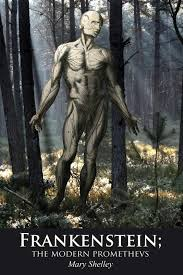
Their duality is programmed:
- human by day
- monster by night
Frankenstein’s Creature, in contrast, has full cognitive control. Every emotion, every choice, every violent act is conscious, which makes his suffering deeper. His rage builds slowly, painfully, and logically.
Werewolves:
- lose themselves
- regret what they’ve done
- are victims of a curse
The Creature:
- finds himself
- analyzes what he’s done
- is a victim of cruelty
A werewolf’s fear is, “What if I hurt someone unintentionally?”
Frankenstein’s Creature fears, “What if I never belong to anyone at all?”
The werewolf is defined by lack of control.
The Creature is defined by the search for it.
Part 5: Frankenstein’s Creature vs. The Mummy — Death Revisited
Mummies are ancient beings resurrected through curses or rituals. Their personalities are usually:
- vengeful
- bound to past wrongs
- connected to religious lore
- methodical and slow but purposeful
They terrorize the present because they cannot let go of the past.
Frankenstein’s Creature, on the other hand, has no past to cling to. His entire life is forward-facing. He is desperately trying to build a future, not avenge an ancient betrayal.
The Mummy kills to restore lost glory.
The Creature kills because he has nothing left to lose.
The Mummy is culturally ancient.
The Creature is culturally newborn.
The Mummy expresses the horrors of history.
The Creature expresses the horrors of abandonment.
Part 6: Frankenstein’s Creature vs. Zombies — Intelligence vs. Instinct
Zombies are perhaps the simplest monsters in personality:
- mindless
- instinct-driven
- hunger-based
- depersonalized
Their existence revolves around:
- eating
- spreading infection
- being scary in crowds
Frankenstein’s Creature is the total opposite:
- emotionally intelligent
- self-aware
- morally complex
- capable of love and thought
A zombie kills because it is empty.
The Creature kills because he is full—of pain, longing, and despair.
Zombies symbolize the loss of individuality.
The Creature symbolizes hyper-individuality, consciousness, and identity crisis.
Zombies fear nothing because they feel nothing.
The Creature fears everything because he feels everything.
Part 7: Frankenstein’s Creature vs. Jekyll & Hyde — Two Souls, One Body vs. One Soul, Many Scars
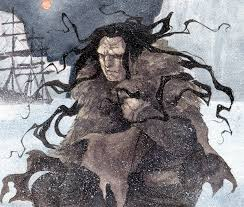
Dr. Jekyll and Mr. Hyde represent the split nature of humanity: the respectable outward self and the monstrous inner self. Their story is about duality, secret desires, and the dark id.
In contrast, the Creature is not split. He is consistent. His body is stitched from many parts, but his soul is whole.
Hyde is violent because he represents suppressed evil.
The Creature becomes violent because compassion was denied to him.
Jekyll loses to his own dark side.
The Creature loses to societal cruelty.
Hyde is what happens when a man indulges in evil.
The Creature is what happens when a man is denied love.
Part 8: Frankenstein’s Creature vs. The Invisible Man — Alienation and Ego
The Invisible Man—and other invisibility-based characters—usually fall into the category of:
- brilliant but arrogant
- power-drunk
- selfish
- detached from morality
Griffin (Wells’ Invisible Man) becomes dangerous because his invisibility gives him control and anonymity. His egotism is pre-existing.
The Creature is brilliant too, but he is not arrogant. He is vulnerable. He is not given power—he is denied it. His suffering comes not from ego but from emotional deprivation.
Invisible Man:
“I am unseen, therefore I can do anything.”
Frankenstein’s Creature:
“I am seen, and therefore everyone fears me.”
Invisible Man becomes monstrous through pride.
The Creature becomes monstrous through pain.
Part 9: Frankenstein’s Creature vs. Ghosts — Anger From Death vs. Anger From Life
Ghosts are bound to:
- unfinished business
- emotional attachment
- traumatic death
They are echoes of the past. Their personalities are shaped by what killed them.
Frankenstein’s Creature was never alive in the first place, so he has no trauma from a past life—only trauma from being abandoned in this one.
Ghosts are memories.
The Creature is a mistake.
Ghosts haunt spaces.
The Creature haunts his own mind.
Ghosts want closure.
The Creature wants connection.
Part 10: The Root Of Everything — Why Frankenstein’s Creature Stands Apart From Every Monster
Every other monster:
- is cursed
- is bitten
- is spellbound
- is doomed by nature
- is sinister by essence
Frankenstein’s Creature alone:
- starts innocent
- grows wise
- loves deeply
- suffers unjustly
- becomes monstrous only through mistreatment
He is a mirror of us—what we could become if denied love, dignity, and identity.
What makes him truly tragic is that he knows it.
He narrates his suffering with such heartbreaking clarity that we, the readers, become complicit in his loneliness.
He is the only monster who reads literature, studies humanity, and still finds no place in it.
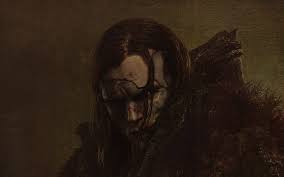
Part 11: What Frankenstein’s Creature Teaches Us About Humanity and Monstrosity
When we compare him to other monsters, one conclusion becomes clear:
Frankenstein’s Creature is the most human monster because humanity created him and humanity destroyed him.
We fear Dracula because he wants to drink our blood.
We fear werewolves because they are unpredictable.
We fear zombies because they are relentless.
We fear mummies because they are eternal reminders of ancient curses.
We fear Hyde because he is the evil within us.
But we fear Frankenstein’s Creature for a different reason:
He holds a mirror to the cruelty we inflict on those who look different, act different, or simply need love.
He teaches us that:
- Monsters are not born—they are made.
- Compassion shapes identity.
- Rejection shapes rage.
- Otherness is not evil until we turn it into evil.
He is not the monster of the story.
He is a monster because of the story.
Conclusion: The Creature Among Monsters — The Loneliest, Smartest, Most Tragically Human Being in Horror
Frankenstein’s Creature stands apart from every monster ever written.
Where others symbolize fear, vengeance, hunger, power, or curse, he symbolizes the one thing humans fear most:
Responsibility.
Responsibility for what we create.
Responsibility for who we hurt.
Responsibility for the suffering we cause.
Dracula is scary, but he is predictable.
Werewolves are scary, but they are involuntary.
Mummies are scary, but they belong to the past.
Zombies are scary, but they are mindless.
Frankenstein’s Creature is scary because he is intelligent, emotional, reflective, and desperately searching for love.
He is the monster that exposes the real horror:
Not him, but us.
visit sitehttps://www.instagram.com/
Related Posts

Digital detox strategies to boost focus and creativity in 2025
digital detox visit sitehttps://www.instagram.com/ Digital Detox Strategies to Boost Focus…

Top tech gadgets of 2025 you should know
tech gadgets- Technology is evolving faster than ever, and 2025…