
cancer-
Introduction

deadliest diseases affecting millions of people worldwide. Despite significant medical advances, it continues to be a leading cause of death across every continent. Understanding cancer is crucial not only for those diagnosed but also for families, healthcare professionals, and policymakers working to reduce its impact.
Historically, this disease has been recognized for thousands of years. Ancient Egyptians documented tumors in medical texts around 1600 BCE, though treatment options were limited to surgery or cauterization. Over the centuries, knowledge about the condition has expanded significantly, yet it remains complex and unpredictable. According to the World Health Organization, over 10 million deaths occur due to cancer annually, with millions more living with it. The burden of this disease is not limited to health; it impacts economies, families, and societies at large.
Early detection is crucial in fighting the condition. Survival rates vary widely depending on the type, stage, and accessibility to treatment. Modern medicine emphasizes awareness campaigns, preventive measures, and screening programs to identify cancer early. Education about lifestyle choices, genetics, and environmental exposures can help reduce the risk.
In this blog, we will explore cancer in detail, discussing its types, causes, symptoms, diagnostic methods, treatment options, preventive strategies, and emerging research. Our goal is to provide a comprehensive understanding of this disease while maintaining hope through the lens of ongoing medical advancements.
What is cancer?
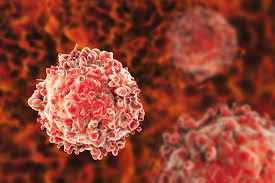
cancer is not a single disease but a group of disorders characterized by uncontrolled cell growth. Normally, the human body maintains a balance: cells grow, divide, and die in a controlled manner. This process is essential for maintaining tissue health and organ function. When this regulation fails, cells can become abnormal, multiply uncontrollably, and form tumors.
The main characteristics include:
- Uncontrolled cell division: Abnormal cells grow and divide without the regulatory signals that control normal growth.
- Invasion of tissues: These cells can invade surrounding tissues, causing organ dysfunction.
- Metastasis: One of the most dangerous aspects is its ability to spread to distant organs through the bloodstream or lymphatic system. Secondary tumors often worsen the prognosis.
There are multiple biological pathways involved in progression. Genetic mutations play a critical role by activating oncogenes (genes that promote cell division) or inactivating tumor suppressor genes (genes that prevent uncontrolled growth). Additionally, factors such as inflammation, immune evasion, and angiogenesis (formation of new blood vessels) contribute to tumor development.
cancer can appear almost anywhere in the body—from the skin and lungs to the liver and brain. Its manifestations and progression are influenced by location, type, genetic factors, and environmental exposures. Understanding these mechanisms has allowed researchers to develop therapies targeting specific pathways, improving outcomes for many patients.
Types
There are more than 100 types,of cancer each with distinct features. The most common include:
- Carcinomas – arise from epithelial cells lining organs and body surfaces. Common examples include lung, breast, and colorectal forms.
- Sarcomas – affect connective tissues such as bones, muscles, fat, and cartilage.
- Leukemia – a blood-based disorder originating in bone marrow.
- Lymphomas – affect the lymphatic system, crucial for immunity.
- Central Nervous System tumors – impact the brain and spinal cord.
Each type varies in severity, treatment response, and survival rates. Globally, lung, breast, colorectal, prostate, and liver types account for the highest mortality. Understanding the type and stage is crucial for effective treatment planning.
Causes
cancer results from a combination of genetic, environmental, and lifestyle factors. While some causes are unavoidable, many risks can be minimized through preventive measures.
- Genetic Factors – Mutations in DNA increase susceptibility to certain types.
- Environmental Factors – Tobacco smoke, UV radiation, and industrial chemicals contribute to risk.
- Lifestyle Factors – Poor diet, obesity, sedentary lifestyle, alcohol consumption, and tobacco use.
- Infections – Certain viruses and bacteria can trigger development.
- Age – Risk increases with age due to cumulative DNA damage.
Understanding these causes allows proactive measures, from lifestyle adjustments to vaccination programs.
Symptoms
Symptoms vary depending on type, stage, and location. Common warning signs include:
- Unexplained weight loss
- Fatigue
- Persistent pain
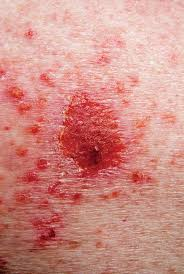
- Changes in skin, moles, or lesions
- Lumps or swelling
- Persistent cough or breathing difficulties
- Changes in bowel or urinary habits
- Unexplained bleeding or bruising
Early-stage disease often presents subtle symptoms, making regular screenings vital.
Diagnosis
Accurate diagnosis is critical. Methods include imaging, lab tests, biopsies, and genetic testing. These techniques have transformed care, allowing treatments to begin at the most effective stage.
Treatment
Treatment depends on type, stage, and patient health. Common options include surgery, chemotherapy, radiation, immunotherapy, targeted therapy, hormone therapy, and stem cell/bone marrow transplants. Ongoing research continues to develop novel therapies, including gene editing, nanotechnology, and precision medicine.
Prevention
Prevention focuses on lifestyle, vaccinations, and regular screenings:
- Avoid tobacco
- Healthy diet
- Regular exercise
- Limit alcohol
- Sun protection
- Vaccination
- Routine screenings
Living with the disease
Diagnosis affects mental, physical, and social well-being. Emotional support, counseling, and community resources are vital. Support groups, nutrition, exercise, and palliative care all contribute to improved quality of life.
Research and advances
Medical research is transforming treatment: precision medicine, AI, liquid biopsies, nanotechnology, and early detection technologies are improving survival and outcomes.
Conclusion
cancer remains one of the deadliest diseases worldwide. Awareness, prevention, early detection, and advanced treatment are key to combating its impact. While challenges remain, continuous research provides hope for more effective therapies, improved quality of life, and higher survival rates.
By understanding cancer, adopting preventive measures, and supporting ongoing medical advances, we can face this disease with courage and resilience.
FAQs
Q1: Is it contagious?
No, the disease is not contagious. However, certain viruses like HPV or hepatitis B that increase risk can be transmitted.
Q2: Can it be cured?
Some types are curable if detected early, while others can be managed long-term with treatment.
Q3: What lifestyle changes reduce risk?
Avoid tobacco, limit alcohol, maintain a healthy weight, exercise regularly, and eat a balanced diet.
Q4: How often should I get screened?
Screenings depend on age, family history, and risk factors. Common tests include mammograms, colonoscopies, Pap smears, and skin exams.
Q5: Does stress cause it?
Stress alone does not directly cause the disease but may indirectly influence risk by affecting immunity and overall health.
visit sitehttps://www.instagram.com/
Related Posts

Cybersecurity in 2025 : how to stay safe online
cybersecurity Introduction The internet has become the backbone of our…


Cybersecurity challenges and sollution in the AI era
cybersecurity challenges Introduction As AI transforms industries, it also reshapes…