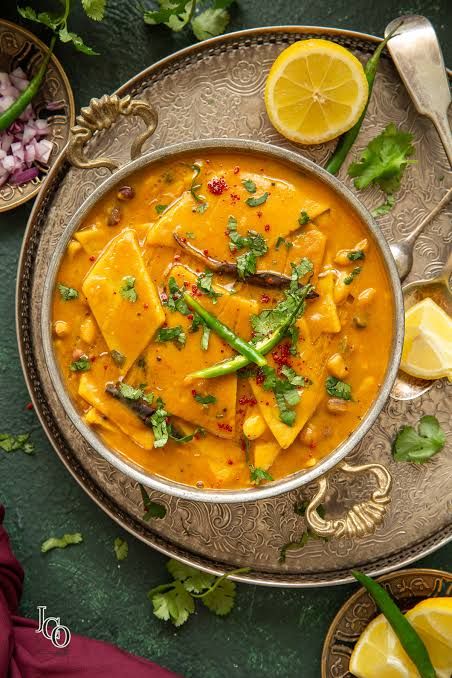
Goan Fish Curry :
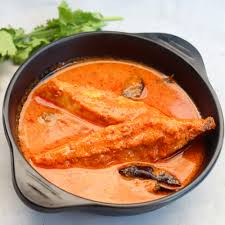
The air in Goa carries a distinct fragrance—a unique blend of salty sea breeze, tropical humidity, and the intoxicating aroma of spices. It is a scent that immediately transports you to a world of sun-drenched beaches, swaying palm trees, and a laid-back philosophy known as Susegad. But for anyone who has truly tasted Goa, that scent is forever intertwined with the complex, comforting, and unforgettable flavor of its most iconic dish: Goan Fish Curry.
This curry is not merely food; it is a story on a plate, a living testament to centuries of history, a symbol of a culture born from a unique fusion of East and West. It is tangy and spicy, rich and light, a symphony of flavors that manages to be both profoundly complex and beautifully simple. It is the heart of every Goan home, the soul of every local restaurant, and the taste that every Goan carries with them, no matter where they are in the world.
This blog is a tribute to that story. We will journey back in time to the origins of this remarkable dish, explore the profound cultural and philosophical ideas it embodies, and provide a detailed, authentic recipe that will allow you to bring a piece of Goa into your own kitchen goan fish curry.
Part 1: A Tale of Two Worlds – Goan Fish Curry’s Origin and History
To understand Goan Fish Curry, we must first understand Goa itself. Located on the southwest coast of India, Goa was a vital hub on the ancient Spice Route. In 1510, it was conquered by the Portuguese, who would rule the region for over 450 years, leaving an indelible mark on its culture, architecture, and, most importantly, its cuisine. Goan food is not simply Indian or Portuguese; it is a beautiful, harmonious fusion of both.
The Chili Revolution
Before the Portuguese arrival, Indian cuisine was characterized by a different kind of heat. The primary source of pungency came from black pepper and other warming spices like ginger and cloves. The flavors were earthy, aromatic, and deep. The Portuguese, however, brought with them a secret weapon from the New World: the red chili.
They introduced chilies to Goa and, from there, to the rest of India. The red chili, with its ability to provide a powerful, fiery heat and a vibrant color, quickly took hold. It was more accessible to grow and provided a different kind of flavor that Indian chefs embraced with open arms. The introduction of chilies fundamentally changed the flavor landscape of the entire subcontinent, and Goan cuisine, at the epicenter of this culinary revolution, was forever transformed. The rich red color that is now a signature of many Goan curries comes directly from these imported chilies one of goan fish curry.
The Culinary Exchange: A Perfect Fusion
The Portuguese didn’t just introduce new ingredients; they also brought their own cooking techniques and culinary preferences. They loved stews, meat, and a liberal use of vinegar for a tangy kick, a practice common in their European cooking.
At the same time, the local Goan people had their own established traditions. They lived by the sea and had access to an endless bounty of fresh fish. They had perfected the use of coconuts, both the creamy milk and the grated flesh, to create rich, non-dairy bases for their curries. They also used local souring agents like Kokum (a fruit from a tree native to the Western Ghats) to balance the flavors.
Goan Fish Curry is the perfect marriage of these two culinary worlds. It is a dish born from a true exchange, not a conquest. The fiery heat of the Portuguese chili met the creamy richness of the local coconut and the unique tang of kokum. The Portuguese love for a fish stew was combined with the local technique of slow-simmering a curry in a clay pot, allowing the flavors to meld into a profound harmony. This unique fusion is what makes Goan Fish Curry distinct from any other Indian curry.
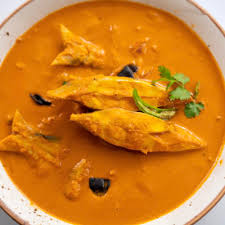
Part 2: The Taste of Susegad – Cultural Significance and Philosophy
In Goa, life is a little slower, a little more relaxed. The philosophy of Susegad—a state of calm, contentment, and laid-back enjoyment—is a guiding principle. Goan Fish Curry embodies this philosophy perfectly. It is not a rush job; it is a dish that takes time to prepare and even more time to savor. It is a daily ritual, a constant presence on the dinner table that speaks of simplicity, comfort, and the richness of coastal life.
A Daily Staple, Not a Special Occasion Dish
Unlike many elaborate curries from other parts of India, which are reserved for festivals and celebrations, Goan Fish Curry is a simple, daily staple. It is the dish that fuels the fishermen who spend their days on the sea, the families who gather for lunch, and the friends who share a meal after a day on the beach. Its ubiquity is its greatest strength; it is a dish that reminds you of home, no matter where you are. This daily ritual is a tangible link to Goa’s history and its coastal identity.
A Symphony of Flavors: Sour, Spicy, and Sweet
The philosophical core of Goan Fish Curry is a perfect balance of three key flavor profiles:
- The Spice: This comes primarily from the Kashmiri red chilies and black pepper, which provide a warm, fiery heat that stimulates the palate.
- The Sour: This is the signature of the dish. It comes from the traditional use of Kokum, a small, dried fruit that provides a sour, slightly fruity tang without the overpowering sourness of a lemon or a tomato. It cuts through the richness of the coconut and brightens the flavors.
- The Sweet: This is the mellowing, creamy base that holds everything together. It comes from the fresh coconut milk or ground coconut paste, which provides a natural sweetness and a smooth, comforting texture.
A truly great Goan Fish Curry is a perfect harmony of these three elements. No one flavor dominates the others. They exist in a beautiful, delicious equilibrium, a testament to the sophistication of a cuisine that finds its perfection in a few, high-quality ingredients.
The Art of the Paste
The soul of any Goan fish curry lies in its freshly ground masala paste. A Goan chef would never use a pre-packaged powder mix. The spices—turmeric, coriander seeds, peppercorns, cumin, and dried red chilies—are toasted gently and then ground with fresh ginger, garlic, and coconut to form a smooth, aromatic paste. This paste is the foundation of the curry, and its freshness is non-negotiable for an authentic flavor. The preparation of this paste is a loving, time-honored ritual that is the first step in creating a perfect goan fish curry curry.
Part 3: The Recipe – A Goan Fish Curry Masterclass
Creating an authentic Goan Fish Curry at home is a rewarding experience. It is a process that requires attention to detail, a respect for the ingredients, and the patience to let the flavors meld. This recipe is a tribute to the classic Goan style, focusing on a balance of flavors and the use of fresh, quality ingredients.
The Philosophy of the Recipe
The key to this recipe is the use of high-quality, fresh ingredients. You will need a firm-fleshed fish, a good-quality souring agent, and, most importantly, the freshest spices you can find. The process is straightforward, but the magic lies in the care taken at each step.
Key Ingredients:
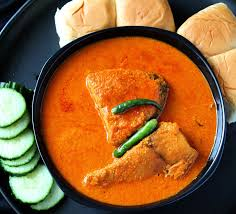
- The Fish: Use a firm, fresh fish with a mild flavor that can stand up to the spices without falling apart. Kingfish (Surmai), Pomfret (Paplet), or Mackerel (Bangda) are the traditional choices.
- The Souring Agent: Kokum (Amsol) is the most traditional choice. It looks like a dried black-purple fruit. If you cannot find it, tamarind paste is a good substitute, but start with a small amount.
- The Coconut: Use fresh, grated coconut if possible. If not, unsweetened coconut milk will work, but the ground paste from fresh coconut gives a more rustic, authentic texture.
- The Spices: The flavor comes from a specific blend of toasted spices. Do not use powdered, pre-mixed curry powder.
- The Oil: Coconut oil or a neutral vegetable oil is the best choice.
Goan Fish Curry (Ambot Tik)
Prep time: 30 minutes | Cook time: 20-30 minutes | Serves: 4
Ingredients:
- 500g (1 lb) firm-fleshed fish, cut into steaks or large pieces.
- 1 cup fresh grated coconut (or 1 cup thick coconut milk).
- 8-10 dried red Kashmiri chilies, soaked in warm water for 15 minutes.
- 2 tsp coriander seeds.
- 1/2 tsp cumin seeds.
- 1/4 tsp fenugreek seeds.
- 8-10 black peppercorns.
- 4-5 cloves of garlic.
- 1-inch piece of ginger, roughly chopped.
- 1/2 tsp turmeric powder.
- 4-5 kokum pieces, soaked in warm water.
- 1/4 cup coconut oil.
- 1 large onion, finely chopped.
- 1 tsp mustard seeds.
- A few curry leaves.
- Salt to taste.
Step-by-Step Method:
Step 1: Make the Masala Paste (The Soul of the Curry)
- In a dry pan, gently toast the coriander seeds, cumin seeds, fenugreek seeds, and black peppercorns over low heat until they are fragrant. Be careful not to burn them.
- In a blender or food processor, combine the toasted spices, soaked red chilies (drained), garlic, ginger, and the fresh grated coconut (if using).
- Add a little water as needed and blend into a very smooth, fine paste. This step is crucial for the final texture and flavor of goan fish curry,
Step 2: Start the Curry
- Heat the coconut oil in a clay pot or heavy-bottomed pan over medium heat.
- Add the mustard seeds and let them splutter. Then, add the curry leaves and the finely chopped onion.
- Sauté the onion until it is soft and translucent.
- Add the turmeric powder and sauté for a few seconds.
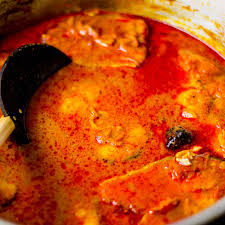
Step 3: Build the Flavor
- Add the freshly ground masala paste to the pot. Sauté the paste for about 5-7 minutes, stirring constantly. This step is key—it toasts the spices and allows the paste to release its full aroma. You will notice the paste’s color deepen and the oil start to separate.
- Add the fish pieces to the pot and gently coat them with the masala. Sauté for a minute.
- Add the water from the soaked kokum pieces (discard the kokum itself) and a little more water to create a gravy of your desired consistency. If you are using coconut milk instead of a fresh paste, add it now.
- Add salt to taste and the kokum pieces. Stir gently.
Step 4: The Final Cook
- Bring the curry to a gentle simmer. Do not boil it vigorously, as this can break up the fish.
- Cook for about 5-8 minutes, or until the fish is flaky and cooked through. Be careful not to overcook it.
- Taste the curry and adjust for salt, spice, and sourness. If you need more tang, add a bit more kokum water or a touch of tamarind paste.
- Turn off the heat and let the curry rest for 5-10 minutes before serving. This allows the flavors to deepen and the fish to absorb the taste of the curry.
Conclusion: A Taste of History, a Slice of Paradise
A bowl of Goan Fish Curry is more than just a meal; it is a delicious piece of living history. It is a testament to the power of cultural exchange, a reflection of a philosophy of life that prioritizes balance and simplicity, and a direct, sensory link to a beautiful, laid-back coastal paradise.
When you take that first spoonful, a perfect balance of sour, spicy, and sweet, you are tasting the history of the spice route, the ingenuity of a people who adapted and thrived, and the very soul of a culture that celebrates life in all its vibrant colors. It is a meal that nourishes not just the body, but the spirit as well. It is the taste of Goa, and it is a taste worth savoring goan fish curry.
visit sitehttps://www.instagram.com/