
The Echo Chamber of the Self: A Deep Dive into the Complexities of Narcissism
Narcissism-

The term “narcissist” has become a casual and often misused label in our modern vocabulary. We throw it around to describe a boastful colleague, a self-absorbed influencer, or a partner who seems to love their reflection more than us. While some of these individuals may indeed exhibit narcissistic traits, the reality of narcissism is far more complex, layered, and, in its most severe form, a deeply problematic psychological condition. It is not merely a synonym for vanity or arrogance; it is a pervasive pattern of grandiosity, a profound need for admiration, and a stunning lack of empathy that can shatter lives and relationships.
This isn’t about the healthy self-esteem that allows us to feel confident and worthy. It’s about a fragile, inflated ego that is so dependent on external validation that it creates a constant, desperate hunger for attention. To truly understand narcissism, we must move beyond the pop-psychology caricature and explore its various facets, its origins, its impact on others, and the difficult path to managing it.
The Two Faces of Narcissism: Grandiose and Vulnerable
Psychologists now understand that narcissism is not a monolith. It exists on a spectrum, with two primary subtypes that, while sharing a common foundation, manifest in profoundly different ways.
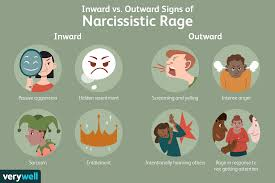
- Grandiose Narcissism: This is the image that most of us associate with the term. The grandiose narcissist is overt, extroverted, and overtly entitled. They are charismatic, charming, and often successful in their careers, as their ambition and confidence can be seen as leadership qualities. They believe they are special and unique, deserving of the best of everything, and they openly express their superiority. However, their self-image is not as robust as it appears. It is a carefully constructed façade, and any criticism or challenge to their grandiosity can trigger a disproportionate and often aggressive response.
- Vulnerable Narcissism: This subtype is more subtle and often goes misdiagnosed. The vulnerable narcissist is hypersensitive to criticism, and their inflated sense of self-importance is hidden behind a mask of anxiety, defensiveness, and fragility. They may be shy and socially withdrawn, yet they harbor a deep-seated belief that they are special and superior. They are incredibly sensitive to perceived slights and may react with intense rage or withdrawal. While the grandiose narcissist seeks validation through dominance and attention, the vulnerable narcissist craves reassurance and admiration to shore up their shaky self-esteem.
Both types share a fundamental core of entitlement and a diminished capacity for empathy. They see others not as independent individuals with their own feelings and needs, but as extensions of themselves, or as tools to be used for their own gratification.
The Diagnostic Maze: From Traits to Disorder
It’s crucial to distinguish between narcissistic traits and a clinical diagnosis of Narcissistic Personality Disorder (NPD). Many of us have moments of self-centeredness or a need for validation, but for someone with NPD, these traits are “inflexible, maladaptive, and persisting,” causing significant impairment in their life and relationships.
According to the American Psychiatric Association’s Diagnostic and Statistical Manual of Mental Disorders (DSM-5), an individual must display at least five of the following criteria to be diagnosed with NPD:
- A grandiose sense of self-importance.
- Preoccupation with fantasies of unlimited success, power, brilliance, beauty, or ideal love.
- Belief that they are “special” and can only be understood by or associate with other high-status people.
- A need for excessive admiration.
- A sense of entitlement.
- An exploitative interpersonal style, taking advantage of others.
- A lack of empathy, an unwillingness to identify with the feelings and needs of others.
- Envy of others or a belief that others are envious of them.
- Arrogant, haughty behaviors or attitudes.
The diagnosis is challenging because individuals with NPD rarely seek treatment on their own, as they do not believe anything is wrong with them. If they do, it’s often due to co-occurring issues like depression, anxiety, or substance abuse—problems that are often a result of their failed relationships and unfulfilled expectations.
The Roots of the Echo Chamber: What Causes Narcissism?
The causes of narcissism are not fully understood, but it is believed to be a complex interplay of genetic, neurobiological, and environmental factors.
- Genetics: Research suggests there may be a genetic component, as personality traits and temperaments can be inherited.
- Environmental Factors: Early childhood experiences are thought to be a major contributing factor. This is where the debate becomes particularly interesting. One theory suggests that a child who receives excessive overpraise and adoration, without any corresponding achievements, may develop an inflated and unrealistic sense of self. Another, and perhaps more widely accepted theory, points to a lack of genuine warmth and validation. A child who is neglected or who receives inconsistent parenting—either excessive criticism or conditional praise based on performance—may develop narcissism as a defense mechanism to cope with deep feelings of shame, insecurity, and low self-worth. They create a grandiose, false self to protect their vulnerable, real self.
- Cultural Influences: Our modern, hyper-individualistic culture, with its emphasis on fame, wealth, and social media validation, may also contribute to the rise of narcissistic traits. The pressure to present a perfect, curated life online can foster a culture of comparison and a constant need for external approval.
The Devastating Impact on Relationships
A relationship with a narcissist is often a painful and disorienting journey. It can follow a predictable and damaging cycle:
- Idealization (“Love Bombing”): In the beginning, the narcissist is a master of charm and seduction. They “love bomb” their new partner, showering them with excessive attention, compliments, and gifts. They create an intense emotional bond, making their partner feel like the most important person in the world. This is not genuine love; it’s a transactional process where the narcissist is securing a source of “narcissistic supply”—the constant admiration and validation they crave.
- Devaluation: Once the narcissist feels they have “won” their partner, the mask begins to slip. The excessive praise turns into subtle and then overt criticism. They become emotionally distant, neglectful, and begin to exploit their partner for personal gain. They may engage in “gaslighting,” a manipulative tactic that makes the victim question their own sanity and perception of reality. The partner is now no longer on a pedestal; they are a source of frustration, as they fail to meet the narcissist’s insatiable needs.
- Discard: When the narcissist feels their partner is no longer providing sufficient supply, or when they find a new, more promising source, they may suddenly and ruthlessly discard the person. The breakup is often brutal, cruel, and without any sense of empathy or remorse. The victim is left feeling confused, devastated, and completely devalued that’s how narcissism works.
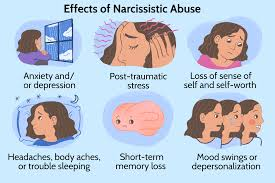
The long-term effects of narcissistic abuse can be severe, including chronic anxiety, depression, a loss of self-worth, and even Post-Traumatic Stress Disorder (PTSD). The victim’s reality has been so warped by the narcissist’s manipulation that they may struggle to trust their own judgment and form healthy relationships in the future.
How to Cope: A Guide for the Wounded
Living with or in a relationship with a narcissist is a challenging and painful experience. The most important step is to protect your own mental and emotional health.
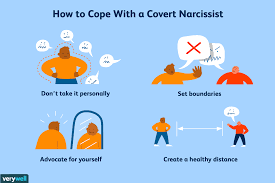
- Educate Yourself: Understanding the dynamics of narcissism is the first line of defense. Knowing that their behavior is a manifestation of a deeper psychological issue—and not a reflection of your own worth—can be incredibly empowering.
- Set and Enforce Boundaries: This is perhaps the most critical and difficult step. Narcissists have no respect for boundaries. You must be firm, consistent, and prepared to enforce your limits without getting drawn into arguments or emotional pleas.
- Don’t Argue or Justify: Arguing with a narcissist is like arguing with a wall. They will twist your words, gaslight you, and refuse to accept any blame. Instead of trying to get them to see your point of view, learn to respond without reacting emotionally.
- Practice Self-Care: A relationship with a narcissism can be emotionally draining. You must prioritize your own well-being. Surround yourself with supportive friends and family, engage in hobbies that bring you joy, and consider seeking therapy to process the trauma and rebuild your self-esteem.
- Know When to Walk Away: In some cases, a relationship with a narcissist is simply too toxic to salvage. It’s a difficult decision, but for your own health and happiness, sometimes the only option is to leave and create a new life free from the emotional turmoil.
The Path Forward: Hope, Empathy, and Understanding
While narcissism is a complex and often debilitating condition, it is not an unchangeable fate. Treatment is possible, but it requires the individual with NPD to acknowledge that they have a problem—a recognition that can be incredibly difficult for someone who cannot tolerate criticism or a perceived flaw. Psychotherapy, particularly forms that focus on emotional regulation and building empathy, can help.
Ultimately, understanding narcissism is not about excusing harmful behavior. It’s about recognizing the pain and fragility that lie beneath the surface, while also empowering those who are caught in its wake. By educating ourselves and setting clear boundaries, we can protect our own well-being and, perhaps, contribute to a greater understanding of this profound and complex human condition.
visit sitehttps://www.instagram.com/
Related Posts



blockchain beyond cryptocurrency
he Invisible Ledger: A 2000-Word Journey Beyond Cryptocurrency cryptocurrency- For…