
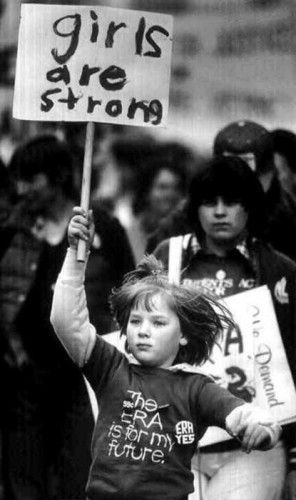
Feminism is not a single ideology but a diverse collection of social, political, and philosophical movements aimed at achieving gender equality. At its core, it’s about challenging and dismantling the patriarchal structures that have historically given men power and privilege over women, and which have often limited the opportunities and lives of people of all genders. While the goal is simple—equality—the paths to achieving it are complex and varied, giving rise to different schools of thought, historical movements, and ongoing debates.
The Historical Context: The “Waves” of Feminism 🌊
The history of Western feminism is often divided into “waves,” a metaphor that helps to understand the different focuses and goals of the movement over time. This framework, while useful, is also criticized for primarily centering the experiences of white, Western women and for overlooking the continuous struggles of women of color and other marginalized groups. Nevertheless, it provides a solid foundation for understanding the evolution of feminist thought.
The First Wave (late 19th and early 20th centuries)
This wave was primarily concerned with legal and political rights. It emerged from an environment of industrialism and abolitionist movements. The most prominent goal was women’s suffrage—the right to vote. Key figures like Susan B. Anthony and Elizabeth Cady Stanton organized the Seneca Falls Convention in 1848, which is often considered the birth of the American women’s rights movement. The first wave also fought for property rights, access to education, and the right to enter contracts. The ultimate victory of this wave in the United States was the passage of the 19th Amendment in 1920, which granted women the right to vote. In other parts of the world, similar battles were fought for decades.
The Second Wave (1960s to 1980s)
Building on the legal victories of the first wave, the second wave broadened the scope of feminism to include cultural and social inequalities. It famously adopted the slogan “the personal is political” to highlight how issues like domestic violence, sexual harassment, and reproductive rights weren’t just personal problems but were rooted in systemic patriarchy. This era saw the publication of influential books like Betty Friedan’s The Feminine Mystique and the rise of “consciousness-raising” groups where women shared their experiences of oppression. The second wave fought for equal pay, reproductive freedom (including access to contraception and abortion), and an end to gender-based discrimination in the workplace.
The Third Wave (1990s to early 2010s)
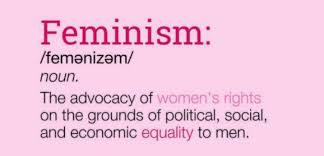
The third wave emerged as a response to the perceived failures and critiques of the second wave, particularly its focus on the experiences of white, middle-class women. This wave was more diverse and celebrated individuality, embracing a variety of gender expressions and challenging the notion of a universal “woman’s experience.” It brought concepts like intersectionality to the forefront, recognizing that a person’s identity is not monolithic but is shaped by the intersection of race, class, gender, sexual orientation, and other factors. Third-wave feminists re-appropriated derogatory terms, used pop culture to spread their message, and focused on issues like sexual harassment, body positivity, and the representation of women in media.
The Fourth Wave (early 2010s to present)
Often referred to as “networked feminism,” the fourth wave is characterized by its use of the internet and social media to mobilize and communicate. Campaigns like #MeToo and the Everyday Sexism Project have used online platforms to raise awareness about gender-based violence, sexual assault, and persistent misogyny in everyday life. This wave is also heavily focused on intersectionality, bringing issues faced by trans women, women of color, and other marginalized groups to the center of the feminist conversation. It actively works to dismantle patriarchy and sexism in a world that is more digitally connected than ever before.
Key Concepts in Feminist Theory
Feminism has developed a rich body of theory to analyze and explain gender inequality. Here are some of the most important concepts:
- Patriarchy: This is a central concept in feminism, referring to a social system in which men hold primary power and predominate in roles of political leadership, moral authority, social privilege, and control of property. Feminists argue that patriarchy is not just about individual men, but about a system of power that benefits men as a group.
- Intersectionality: Coined by legal scholar Kimberlé Crenshaw, intersectionality is a framework for understanding how different aspects of a person’s social and political identities (such as race, class, gender, and sexual orientation) combine to create unique modes of discrimination and privilege. For example, the experience of a Black woman is not simply the sum of being Black and being a woman; it’s a distinct experience shaped by the intersection of both racism and sexism.
- Gender vs. Sex: Feminists make a critical distinction between sex (biological characteristics) and gender (social and cultural roles, behaviors, and identities). This distinction allows for the argument that gender roles are not innate or fixed, but are social constructs that can be changed.
- The Personal Is Political: This slogan from the second wave of feminism highlights the idea that personal experiences of oppression, such as domestic violence or unequal division of labor in the home, are not isolated incidents but are symptomatic of a larger, systemic political and social problem.
Feminism’s Challenges and Criticisms
Feminism is not a monolith, and it has faced significant challenges and criticisms from both within and outside the movement.
- Internal Divisions: The “waves” framework itself points to the ongoing debates within feminism. For example, some feminists have criticized what they see as the third wave’s embrace of certain aspects of pop culture or sexuality that they believe are ultimately disempowering. There are also disagreements between different schools of thought, such as liberal feminists, who seek to achieve equality through legal and political reform within existing systems, and radical feminists, who argue that the entire patriarchal system must be dismantled.
- Exclusionary History: A major criticism, particularly from women of color, is that mainstream feminism has historically failed to address their unique struggles. Early feminist movements often prioritized the rights of white women while ignoring issues like racism and classism. This has led to the development of specific movements like Black feminism and Chicana feminism, which center the experiences of women of color.
- The “Anti-Man” Myth: One of the most common misconceptions about feminism is that it’s about hating men. This is a false and damaging stereotype. The goal of feminism is not to elevate women over men but to achieve equality for all genders. Many feminists argue that patriarchy also harms men by forcing them into rigid and often unhealthy roles, such as suppressing emotional expression and pressuring them to be the sole providers.
Feminism in the 21st Century and Beyond
The digital age has transformed feminism, making it more global and more accessible. It has also created new challenges. The internet has become a powerful tool for activism, but it has also enabled new forms of harassment and misogyny. The rise of “digital feminism” has led to online communities and campaigns that can quickly mobilize support for causes, but it can also be a space for performative activism without real-world change.
Today, feminism continues to evolve, tackling issues that are more complex than ever. The movement is now engaged in conversations about:
- Transgender Rights: The inclusion of trans women in the feminist movement is a major topic of discussion, with most contemporary feminists arguing that gender equality must include all women, regardless of their gender identity at birth.
- Global Feminism: While much of the discussion about feminism has focused on the Western world, there is a growing recognition of the need for a global perspective. Feminists worldwide are working on issues specific to their regions, such as fighting against female genital mutilation, forced marriage, and a lack of access to education in developing countries.
- Workplace Equality: Despite decades of progress, the gender pay gap and the “glass ceiling”—the invisible barrier that prevents women from rising to the highest levels of power—still exist in many industries. Modern feminists continue to fight for equal pay, paid family leave, and an end to discrimination in the workplace.
Feminism is not a relic of the past; it’s a dynamic and ongoing movement that is as relevant as ever. It’s a fight for a more just, equitable, and compassionate world for everyone, regardless of gender.
visit sitehttps://www.instagram.com/


