
The Sacred Fire: Why Love is the Most Divine Concept in the Universe
love-
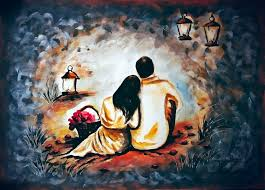
In the grand, sprawling narrative of human existence, there is a single, universal force that echoes through every culture, resonates in every heart, and defines the very essence of our being. it is the subject of our greatest poems, the inspiration for our most heroic deeds, and the source of our deepest joys and sorrows. This force is love.
But what is it? Is it merely a biochemical reaction, a fleeting emotion, or a social construct? Or is it something more profound, something that transcends the mundane and touches upon the very nature of the divine?
This blog is a meditation on the latter. It argues that in love purest and most expansive form, this force is not just a feeling or a choice; it is the most divine and sacred principle in the universe. It is the fundamental energy that creates, binds, and sustains all existence.
To understand it is to understand the very language of the cosmos. To live guided by it is to walk a sacred path. We will explore its philosophical and spiritual roots, its tangible manifestations in life, the paradoxes of suffering and transcendence it contains, and practical ways to live aligned with this sacred principle.
Part 1: Deconstructing the Divine – Philosophical and Spiritual Roots
To call love divine is to elevate it beyond the human and place it alongside the fundamental laws of nature and ultimate principles of reality. Philosophers and mystics across traditions have long seen it as the unifying, creative energy of the cosmos.
The Opposite of Entropy: A Cosmic Unifying Force
Physics teaches that the universe trends toward disorder and decay. Stars burn out, systems break down, and all things eventually move from order to chaos. Yet this principle creates coherence from chaos.

love binds individuals together, forms families, and builds communities. love constructs rather than destroys, connects rather than divides. Philosophically, this suggests it is not an accidental byproduct of consciousness but a cosmic law. love is the engine of creation, the gravitational pull that holds existence in harmony.
Plato’s Ascent to the Beautiful
Plato viewed this energy as a divine ladder, a path for the soul from the temporary to the eternal. Attraction to physical beauty evolves into admiration for the beauty of minds, souls, institutions, and finally, the eternal Form of the Beautiful itself.
All earthly affection, Plato suggested, reflects a higher, sacred source. The fondness we feel for one being can become a gateway to universal connection and understanding.
The Unconditional Agape
In the Judeo-Christian tradition, three kinds of bonds are distinguished: romantic, friendly, and unconditional selfless devotion. The last, often called Agape, is considered divine. It flows without expectation of return and extends to strangers, outcasts, and even enemies.
Agape reflects a sacred truth: all life is interconnected and worthy of care.
The Sufi Path and Divine Union
In Islamic mysticism, this principle guides seekers toward union with the Divine. Human attachments reflect the ultimate yearning for the eternal. Separation from a beloved mirrors the soul’s longing for God.
The spiritual journey is a dance of passion that burns away the ego until only pure, unselfish devotion remains. Creation itself, Sufis believe, emerged from the Divine’s desire to be known, making participation in this energy a cosmic act.
Part 2: The Sacred in Action – Manifestations
While philosophical roots are profound, the sacred is clearest in daily life. From intimate bonds to acts of compassion, this principle manifests tangibly.
Parental Devotion
Perhaps the purest form is the unconditional care parents give their children. It gives endlessly without expectation, forgives countless mistakes, and provides a constant safety net. It mirrors the divine, showing that selfless giving is part of human nature.
Romantic Union
Modern society often reduces romantic connection to attraction or shared interests. At its highest, it is the union of two souls committed to mutual growth. Relationships become a crucible for learning vulnerability, patience, and acceptance.
Arguments become opportunities for understanding, shared openness a path to intimacy, and the daily act of presence a form of worship.
Compassion and Empathy
This principle is not limited to those near us. Its highest form is the desire to alleviate suffering in others. When communities help the needy, or individuals defend the marginalized, they express this divine force in action.
Compassion bridges divides, turning awareness of others’ struggles into meaningful response. It is the sacred, unifying energy that reminds us of our shared humanity.
The Foundation: Self-Acceptance
Caring for oneself is often misunderstood as selfishness, but it is essential. Recognizing our inherent worth allows genuine care for others. By nurturing our own hearts and minds, we are able to give more fully and sustainably.
Part 3: The Paradox of Love – Vulnerability, Suffering, and Transcendence
This force is not comfortable or easy. It brings immense joy but also exposes us to vulnerability. It is in this vulnerability that its true sacredness is revealed.

The Sacred Act of Vulnerability
To engage fully is to risk everything. love is to open your heart to another, knowing it can be broken. It is to share fears, reveal imperfections, and surrender a piece of independence.
This exposure is sacred because it is an act of trust in the universe. It is a leap of faith that says, “I will open myself to pain for the sake of connection.” In such openness, we touch the divine.
Suffering and Spiritual Growth
Pain—the heartbreak, loss, and struggles—is not proof that this principle is flawed but testament to its power. Trials purify the soul, teaching patience, forgiveness, and resilience.
Grief, if embraced, fosters deeper compassion and a profound understanding of life’s preciousness. Suffering transforms personal anguish into universal empathy.
The Unconditional Nature of Forgiveness

At the heart of sacred devotion lies forgiveness. This is not condoning harm but releasing oneself from anger, resentment, and bitterness. Forgiveness is divine because it transcends the ego’s desire for justice.
It allows liberation, a reclamation of peace, and the ability to move forward whole and unburdened.
Part 4: The Path to Divine Love – Living a Sacred Life
If this energy is the most divine concept, our greatest purpose is to express it in daily life. This does not require grand gestures but small, mindful choices.
Presence: The Sacred Now
love cannot exist in the past or future; it is found only in the present. To care fully, we must be present—putting down distractions and offering full attention to those around us.
Mindfulness and meditation train us to see the sacred spark in everything. Being present allows the universe’s energy to flow through us.
Gratitude: Abundance in Action
Acknowledging the support, connection, and joy we receive multiplies its effect. Gratitude shifts our mindset from scarcity to abundance. Acts of kindness become sacred gifts, reminders that this energy is limitless.
Action: Bringing Sacred Energy to the World
Divine affection is active. It drives social justice, compassion, and advocacy. Every small act of kindness, defense of the oppressed, or fight for what is right channels this principle outward, shaping a better world.
When we act from this place, we participate in a cosmic dance, allowing the universe’s most powerful force to create harmony and connection.
Conclusion: Our Greatest Purpose
This principle is not just poetry; it binds the universe. love is the divine spark of creation, the fire that purifies, and the ultimate purpose of life.
From the vast galaxies to intimate human moments, it guides, shapes, and connects. The sacred is not only in temples but in every act of kindness, every word of forgiveness, and every moment of presence.
Our greatest challenge—and gift—is not to find this energy but to remove barriers that prevent experiencing it fully. To engage with it is to truly live. To nurture it is to honor the cosmos.
In a world often lost or broken, our most sacred act is simple: to cherish and care for others, to be present, and to participate in the divine dance of existence.
visit sitehttps://www.instagram.com/
Related Posts


Minimalism: how to declutter your life for more happiness in 2025
minimalism visit sitehttps://www.instagram.com/ Minimalism: How to Declutter Your Life for…
