
digital detox
visit sitehttps://www.instagram.com/
Digital Detox Strategies to Boost Focus and Creativity in 2025
Introduction
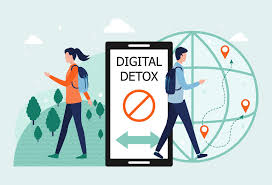
In 2025, our lives are more digitally connected than ever. While technology offers convenience and productivity, constant screen time and online distractions can reduce focus, creativity, and mental well-being.
A digital detox—temporarily reducing or eliminating digital device usage—can help reset your mind, improve productivity, and enhance creativity. This blog explores practical strategies, tips, and benefits of digital detox for modern professionals and creatives.
- Understanding Digital Overload
Digital overload occurs when constant notifications, social media, emails, and apps overwhelm the brain.
Signs include:
Difficulty concentrating
Anxiety or stress
Poor sleep quality
Reduced creativity and productivity
Over time, digital overload can affect mental health, relationships, and work performance.
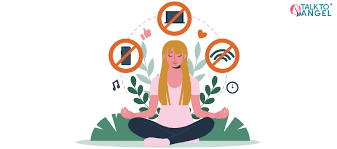
- Benefits of a Digital Detox
Mental Health Benefits
Reduces stress and anxiety
Improves emotional well-being
Increases mindfulness and self-awareness
Productivity Benefits
Fewer distractions allow for deep work
Improved focus and time management
Better decision-making and problem-solving
Creativity Benefits
Gives the mind space to generate ideas
Enhances inspiration from offline experiences
Encourages reflection and personal growth
- Types of Digital Detox
A. Short-Term Detox
Limit device usage for a few hours daily
Example: No phones during meals or first hour after waking
B. Long-Term Detox
Reduce screen time significantly for days or weekends
Example: Tech-free weekends or vacations
C. Task-Specific Detox
Avoid screens during focused work, creative tasks, or learning sessions
Helps improve quality and depth of output
- Strategies for Digital Detox
A. Set Boundaries
Establish phone-free zones in your home (bedroom, dining area)

Schedule device-free periods each day
Avoid checking notifications first thing in the morning or before bed
B. Use Technology to Limit Technology
Enable screen time trackers or app limits
Turn off unnecessary notifications
Use focus apps like Forest or Freedom to block distracting sites
C. Replace Screen Time with Offline Activities
Reading, journaling, painting, or cooking
Exercise: walking, yoga, or gym workouts
Social interaction: meet friends or family in person
D. Declutter Digital Spaces
Unsubscribe from unnecessary emails
Delete unused apps
Organize files and photos for a cleaner digital environment
- Mindfulness and Reflection
Use detox time to reflect on your goals, priorities, and habits
Practice meditation or breathing exercises to reset focus
Journaling can help track progress and emotions during detox periods

- Digital Detox for Work Productivity
Schedule focused work sessions without email or social media interruptions
Batch communication tasks: respond to emails or messages at designated times
Avoid multitasking across multiple apps and screens
Encourage team digital boundaries for meetings and collaboration
- Creativity Boost through Digital Detox
Reduced digital noise allows deep thinking and idea generation
Spend time in nature or offline hobbies to spark inspiration
Brainstorm and sketch ideas on paper rather than digital tools
Use quiet, distraction-free time to experiment with new skills or projects
- Social Media Detox
Limit time on platforms that cause comparison or stress
Follow only accounts that inspire or educate
Take breaks from trending news, memes, and notifications
Replace scrolling with meaningful activities or learning
- Tips for a Successful Digital Detox
- Start Small: Begin with 1–2 hours daily and gradually increase
- Set Clear Goals: Know why you are doing the detox (focus, creativity, mental health)
- Inform Others: Let colleagues or friends know to avoid pressure or missed communication
- Track Progress: Note improvements in focus, mood, and productivity
- Reward Yourself: Celebrate milestones to maintain motivation
- Digital Detox in 2025: Modern Approach
AI Tools: Monitor device usage and suggest healthy limits
Wearables: Track screen time, sleep quality, and stress levels
Smart Home: Set automated reminders for offline time or create device-free zones
Mindful Tech Use: Balance digital consumption for work, learning, and entertainment while prioritizing offline activities
Conclusion
A digital detox is essential in 2025 to maintain focus, boost creativity, and protect mental health. By setting boundaries, replacing screen time with offline activities, and practicing mindfulness, anyone can regain control over their digital life.
Remember, digital tools should serve you, not control you. Implementing regular detox periods allows for mental clarity, deeper focus, and a more balanced, fulfilling life.
FAQs
Q1. How long should a digital detox last?
Even 1–2 hours daily or tech-free weekends can be effective. Longer periods are optional based on personal goals.
Q2. Can digital detox improve sleep?
Yes, reducing screen time before bed improves sleep quality and duration.
Q3. Is it okay to use apps to limit app usage?
Absolutely. Ironically, technology can help regulate technology effectively.
Q4. How do I stay connected during detox?
Inform important contacts in advance and schedule essential communication periods.
Q5. How often should I do a digital detox?
Weekly or monthly detoxes work well; even daily short sessions are highly beneficial.
Related Posts

The rise of metaverse : opportunities and challenge
metaverse- The Rise of the Metaverse: Opportunities and Challenges Introduction…


Future of robotics : from smart homes to human- like AI in 2025
robotics Future of robotics: From Smart Homes to Human-Like AI…