

Artificial Intelligence in 2025: How AI is Transforming Everyday Life
Introduction
artificial intelligence in 2025-
Artificial Intelligence (AI) is no longer a futuristic concept—it has become an inseparable part of our daily lives. From the way we shop online to the way we study, work, and even interact with machines, AI is shaping the world around us. In 2025, AI has moved beyond just being a tech buzzword; it is now a practical tool that simplifies tasks, improves efficiency, and even sparks creativity.
In this blog, we’ll explore how AI is transforming everyday life in 2025, the industries it’s changing the most, and what it means for the future.
What Exactly is Artificial Intelligence?
Artificial Intelligence refers to machines or systems designed to perform tasks that usually require human intelligence. This includes:
Understanding language (Chatbots, voice assistants)
Recognizing patterns (Facial recognition, fraud detection)

Making decisions (Self-driving cars, smart homes)
Learning from data (Recommendation engines, predictive text)
In simple terms, AI helps machines “think” and “act” smart.
AI in Daily Life: How It’s Making Things Easier
- AI in Smartphones
Our smartphones are smarter than ever in 2025. AI is used in:
Camera features: Automatic scene detection, AI-based filters, and better low-light photography.
Virtual assistants: Tools like Siri, Alexa, and Google Assistant can now book tickets, send emails, and even summarize documents.
Battery optimization: AI predicts usage patterns and manages battery power more efficiently.
- Artificial intelligence in 2025 (Healthcare)
AI-powered healthcare has revolutionized the way we manage health:
Virtual health assistants remind us to take medicines.
AI diagnostics detect diseases like cancer or diabetes earlier than human doctors.
Wearables track heart rate, sleep, and oxygen levels in real-time.
Patients are now more empowered, as AI helps them monitor health without always rushing to hospitals.
- AI in Education
For students and teachers, AI is a blessing:
Personalized learning apps adjust content based on student performance.
AI tutors help with homework and test preparation.
Language translation tools break down barriers in global education.
In 2025, learning is no longer “one-size-fits-all.” AI tailors it to individual needs.
- AI in Shopping
Online shopping feels more personalized than ever:
Recommendation systems show products you’re most likely to buy.
AI fashion stylists suggest outfits based on your taste and body type.
Virtual try-on tools let you see how clothes, glasses, or even makeup look before purchase.
- AI in Entertainment
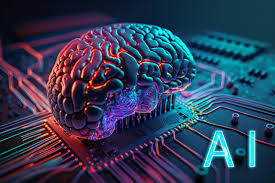
AI is shaping entertainment in exciting ways:
AI-generated music & art: New songs, digital paintings, and even movie scripts are being created by AI.
Personalized streaming: Netflix, YouTube, and Spotify recommend content based on your mood.
Gaming: AI-driven NPCs (non-playable characters) create more realistic gaming experiences.
AI at Work: Making Jobs Smarter
Workplaces are evolving too.
AI tools for productivity: They summarize emails, manage calendars, and even write reports.
Automation: Repetitive tasks are now done by AI, allowing humans to focus on creativity and problem-solving.
Remote work assistants: AI-powered meeting summarizers and translators make global teamwork smoother.
Benefits of artificial intelligence in 2025
Time-saving – Speeds up tasks like shopping, studying, or working.
Better accuracy – Especially in areas like healthcare and finance.
Cost reduction – Businesses save money by automating tasks.
Accessibility – AI-powered tools help people with disabilities (speech-to-text, smart prosthetics).
Challenges of artificial intelligence in 2025
Job loss fears: Many worry AI may replace human jobs.
Privacy concerns: AI collects a lot of personal data, raising security issues.
Bias in AI: If AI is trained on biased data, it can make unfair decisions.
Over-reliance: Too much dependence on AI might reduce human skills.
The Future of AI: What’s Next?
In the coming years, we can expect:
Smarter healthcare robots to assist doctors.
Fully autonomous vehicles becoming common.
AI-powered cities with smart traffic, energy, and waste management.
More ethical AI with laws to regulate fairness and privacy.
Conclusion
Artificial Intelligence in 2025 is no longer science fiction—it’s a living reality. From our phones to our classrooms, from healthcare to shopping, AI has transformed the way we live, work, and think. While challenges remain, the potential of AI to make life easier, faster, and more personalized is enormous.
The key is balance: embracing AI while ensuring that human creativity, ethics, and control remain at the center.
FAQs
Q1. Will AI replace all human jobs?
Not all. AI will handle repetitive tasks, but creative and emotional roles will still need humans.
Q2. Is AI dangerous?
AI itself is not dangerous, but misuse or lack of regulation can cause problems.
Q3. Can I use AI tools for free?
Yes, many AI tools like ChatGPT, Grammarly, and Canva AI offer free versions.
Q4. How is AI used in daily life?
AI is in smartphones, healthcare, online shopping, education, banking, and even social media apps.
Q5. What’s the future of AI?
AI will become more integrated into cities, workplaces, and homes while being more human-like in decision-making.
visit sitehttps://www.instagram.com/
Related Posts
Future of robotics : from smart homes to human- like AI in 2025
robotics Future of robotics: From Smart Homes to Human-Like AI…

overthinking : one of the most common issue in youngsters
overthinking- overthinking is a mental trap that many people fall…