
electric vehicle
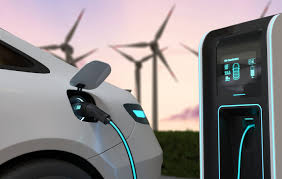
India is at a pivotal point in its transportation history, poised to transition from an economy largely dependent on fossil fuels to one powered by electricity. The country’s burgeoning electric vehicle market is not just a passing trend but a seismic shift driven by a convergence of government initiatives, technological advancements, and growing environmental awareness. While challenges remain, the opportunities for sustainable growth and innovation are immense, positioning India to become a global leader in electric mobility.
The Dawn of a New Era: Market Landscape
The Indian market has witnessed explosive growth in recent years. In fiscal year 2025, over 1.97 million s were sold, a significant increase from the previous year. This growth is primarily fueled by the two- and three-wheeler segments, which dominate the market. Electric two-wheelers saw a 21% rise in registrations, while electric three-wheelers experienced a remarkable 57% growth. This isn’t surprising, as these vehicles are crucial for last-mile connectivity and commercial use, and their smaller batteries and lower costs make them more accessible to a wider population. The e-rickshaw segment, in particular, is a major driver of adoption, especially in states like Uttar Pradesh.
While the passenger car segment is still in its early stages, it is steadily gaining traction. In fiscal year 2025, electric passenger vehicle registrations surpassed the 100,000-unit mark. Leading the charge are domestic manufacturers like Tata Motors and Mahindra, which have been aggressive in launching new models. Tata Motors’ Nexon and Punch have been particularly popular, offering a blend of range, features, and competitive pricing. Other players, including MG Motor, Hyundai, and new entrants like VinFast, are also intensifying the competition with a diverse range of models.
The future outlook for the market is incredibly optimistic. India has set an ambitious goal of having s account for 30% of private cars, 70% of commercial vehicles, and 80% of two- and three-wheelers by 2030. To achieve this, market projections estimate a compound annual growth rate (CAGR) of over 28% for the Indian EV market, with its value expected to reach over US$18 billion by 2029.
Powering the Revolution: Government Policies and Subsidies
The Indian government has played a crucial role in accelerating adoption through a series of supportive policies and incentives. The Faster Adoption and Manufacturing of (Hybrid &) Electric Vehicles (FAME) scheme has been the cornerstone of this push. FAME-II, with a budget of ₹10,000 crore, provides upfront subsidies to consumers on the purchase of s and also allocates funds for the development of charging infrastructure.
Building on the success of FAME, the government launched the PM E-DRIVE scheme with an even larger outlay of ₹10,900 crore. This program is designed to further accelerate adoption through buyer subsidies and to rapidly expand the charging infrastructure network. Notably, it has a significant allocation for setting up an estimated 72,000 new public charging stations across the country.
Beyond direct subsidies, the government has implemented a multi-pronged approach to foster a robust ecosystem. This includes:
- Tax Benefits: Section 80EEB of the Income Tax Act provides a deduction on interest paid on loans for purchases, making them more affordable for consumers.
- Production-Linked Incentive (PLI) Scheme: This scheme provides financial incentives to manufacturers for domestic production of advanced automotive technology products, including components and batteries, which helps reduce import dependency and lower the final cost of the vehicles.
- State-Level Policies: Over 25 states and Union Territories have notified their own EV policies, offering additional incentives such as road tax exemptions, registration fee waivers, and subsidies on charging infrastructure.
These policies have created a favorable environment for both consumers and manufacturers, driving down the total cost of ownership of EVs and stimulating a “pull” from the market.
Navigating the Roadblocks: Challenges and Solutions
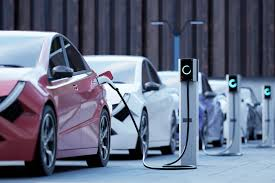
Despite the promising growth, the Indian EV sector faces several significant challenges that must be addressed for sustained and widespread adoption.
🔋 Charging Infrastructure and Range Anxiety
A major hurdle is the limited availability of a widespread and reliable charging network. While the number of public charging stations has grown exponentially, it is still far short of the estimated 1.32 million chargers needed by 2030. This lack of infrastructure leads to “range anxiety” among potential buyers, who worry about being stranded with a discharged battery, especially on long journeys. The government’s PM E-DRIVE scheme and private investments are crucial in bridging this gap.
💰 High Upfront Cost
The initial purchase price of an EV is often higher than that of a comparable internal combustion engine (ICE) vehicle, primarily due to the high cost of the battery. While government subsidies and tax benefits help offset this, the sticker price remains a deterrent for many price-sensitive Indian consumers. As battery technology improves and domestic manufacturing scales up, battery costs are expected to decline, making EVs more competitive.
🛠️ Battery Technology and Supply Chain
India is heavily dependent on imports for key battery components like lithium, cobalt, and nickel. This exposes the market to supply chain disruptions and price volatility. Developing a robust domestic battery manufacturing ecosystem is a top priority. Moreover, the lack of a standardized policy for battery recycling and disposal poses a future environmental challenge as the first generation of EV batteries reaches the end of their life.
⚙️ Technological Maturity and Skilling
The EV ecosystem requires a new set of skills, from battery manufacturing and charging station maintenance to EV servicing and repair. A shortage of skilled manpower could hinder the rapid deployment of infrastructure and services. The government and private sector are collaborating to establish training programs and re-skill the existing workforce to meet this growing demand.
The Path Forward: Opportunities and the Future
Despite the challenges, the Indian EV market is ripe with opportunities that could redefine the nation’s transportation landscape.
⚡ Rise of Electric Two- and Three-Wheelers
The dominance of these segments presents a unique opportunity for India to electrify its transport sector from the bottom up. With a vast market for last-mile delivery and personal mobility, these vehicles can quickly scale up, demonstrating the viability and benefits of EVs to a mass audience.
🌍 Environmental and Economic Benefits
The switch to EVs offers immense benefits. On the environmental front, it will significantly reduce urban air pollution and India’s carbon footprint. On the economic side, it will decrease the country’s dependence on crude oil imports, saving billions of dollars annually. EVs also have lower running and maintenance costs, providing long-term savings for consumers.
🚀 Innovation and Startups
The EV revolution has spawned a vibrant ecosystem of startups focused on everything from battery swapping and charging infrastructure to fleet management and new-age vehicle designs. These innovators are creating solutions tailored to the unique needs of the Indian market, such as battery swapping for e-rickshaws and two-wheelers, which addresses the issue of long charging times and limited parking space.
🤝 Public-Private Partnerships
Collaboration between the government and private players is key to overcoming the challenges. The government can continue to provide a clear policy framework and financial support, while private companies can invest in R&D, manufacturing, and network expansion. These partnerships will ensure that the growth is not only rapid but also sustainable and equitable.
In conclusion, India’s electric vehicle journey is a marathon, not a sprint. While there are bumps on the road, the direction is clear. With a combination of strong policy support, private sector innovation, and a growing consumer appetite for cleaner and more efficient mobility, India is well on its way to building a green, electric future. The shift to electric vehicles is not just about changing how we travel; it’s about changing our relationship with the environment and building a more resilient, sustainable economy for generations to come.
visit sitehttps://www.instagram.com/
Related Posts

The rise of metaverse : opportunities and challenge
metaverse- The Rise of the Metaverse: Opportunities and Challenges Introduction…

Cybersecurity in 2025 : how to stay safe online
cybersecurity Introduction The internet has become the backbone of our…